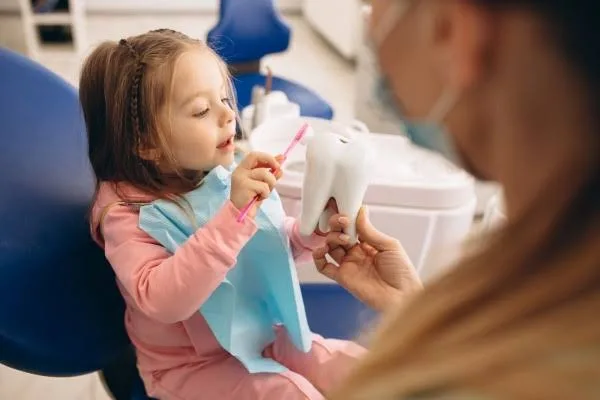
Children need special attention when it comes to maintaining good oral health. Their teeth, gums, and jaws continue to develop throughout childhood, making regular dental care an important part of their overall growth. Healthy baby teeth help children chew comfortably, speak clearly, and maintain the space required for permanent teeth. Establishing good oral hygiene habits early can also reduce the risk of cavities and other dental problems later in life. Visiting a Pediatric Dentist in Dubai helps parents understand their child's dental needs and maintain healthy smiles through every stage of development.
Pediatric dentistry focuses on preventing, identifying, and treating dental conditions in infants, young children, and teenagers. It also considers children's emotional comfort and developmental needs. A child-friendly dental environment, gentle communication, and age-appropriate treatment methods can make dental visits more comfortable and encourage children to develop positive attitudes towards oral healthcare.
Understanding the Importance of Pediatric Dentistry
Children's dental needs are different from those of adults because their mouths are constantly changing. Baby teeth begin to appear during infancy and are gradually replaced by permanent teeth. During this period, dental problems can affect eating habits, speech development, comfort, and the alignment of future teeth.
Regular dental examinations allow potential problems to be identified before they become more complicated. Early dental visits also help children become familiar with the dental environment, reducing anxiety and building confidence. Parents receive guidance about brushing techniques, healthy eating habits, fluoride use, and other preventive measures that support long-term oral health.
A Pediatric Dentist in Dubai understands the importance of adapting dental care according to a child's age, behaviour, and individual oral health requirements. This approach helps ensure that children receive appropriate attention throughout their growing years.
Common Dental Problems in Children
Tooth decay is one of the most common oral health concerns among children. Frequent consumption of sugary snacks, sweetened beverages, inadequate brushing, and irregular dental visits can increase the risk of cavities. Since baby teeth have thinner enamel than permanent teeth, decay may develop more quickly if proper care is not provided.
Early childhood caries can affect infants and toddlers, particularly when teeth are frequently exposed to sugary liquids. Tooth sensitivity, discomfort while chewing, visible dark spots, and toothache may indicate the presence of dental decay. Identifying these symptoms early allows suitable treatment to be provided before the condition progresses.
Other common concerns include gum inflammation, dental injuries, premature loss of baby teeth, and problems related to tooth alignment. Some children may also experience habits such as thumb sucking or prolonged pacifier use, which can influence the development of their teeth and jaws. Regular dental assessments help monitor these conditions and determine whether intervention is necessary.
Preventive Dental Care for Growing Children
Prevention is one of the most important aspects of children's dentistry. Good oral hygiene habits established during childhood can help protect teeth and gums throughout life. Parents should begin cleaning their baby's gums even before the first tooth appears. Once the first tooth erupts, gentle brushing with an age-appropriate toothbrush and a suitable amount of fluoride toothpaste should become part of the daily routine.
As children grow older, they should gradually learn to brush independently while parents supervise their technique. Brushing twice daily and cleaning between teeth when appropriate help remove plaque and reduce the risk of cavities. Regular dental check-ups provide additional protection by allowing dental professionals to monitor oral development and identify early signs of dental problems.
Professional preventive treatments may include fluoride applications and dental sealants. Fluoride helps strengthen tooth enamel and improve resistance to acid attacks caused by bacteria. Dental sealants are protective coatings applied to the chewing surfaces of back teeth, where food particles and bacteria can easily accumulate. These treatments can be particularly helpful for children who are more vulnerable to tooth decay.
Importance of Early Dental Visits
An early introduction to dental care helps children become comfortable with regular examinations. Parents are generally encouraged to arrange the first dental visit when the first tooth appears or by the child's first birthday. Early visits allow dental professionals to assess tooth development, check for potential concerns, and explain appropriate home-care practices.
During routine appointments, the dentist may examine the teeth, gums, bite, and jaw development. The visit may also include discussions about teething, pacifier habits, thumb sucking, nutrition, and brushing techniques. These appointments provide an opportunity to address parental concerns and establish a preventive dental care plan.
Children who attend regular dental appointments are more likely to become familiar with dental procedures and understand the importance of oral hygiene. This familiarity can help reduce fear and encourage cooperation during future treatments.
Gentle Dental Treatments for Children
Some children may require restorative dental treatment when cavities or other dental conditions develop. The appropriate treatment depends on the extent of the problem, the child's age, and the condition of the affected tooth.
Dental fillings are commonly used to restore teeth affected by small or moderate cavities. When decay is more extensive, a dental crown may be recommended to protect the remaining tooth structure. Different crown materials may be considered according to the tooth's location, functional requirements, and individual clinical needs.
Pulp therapy may be necessary when decay or infection reaches the inner portion of a baby tooth. This treatment aims to preserve the affected tooth when possible and maintain its function until it naturally falls out. In cases where a baby tooth is lost earlier than expected, a space maintainer may sometimes be recommended to help preserve the space for the developing permanent tooth.
A Pediatric Dentist in Dubai can evaluate the child's condition and recommend suitable treatment based on a detailed examination rather than using the same approach for every child.
Managing Dental Anxiety and Building Confidence
Dental anxiety is common among young children, especially during their first few appointments. Unfamiliar sounds, dental instruments, and previous uncomfortable experiences may make some children hesitant about treatment. Creating a supportive and welcoming environment can make a significant difference in their experience.
Child-friendly communication, simple explanations, positive encouragement, and gradual introduction to dental instruments can help children feel more relaxed. Parents can also prepare children by explaining that dental visits help keep their teeth healthy without creating unnecessary fear.
For children who require more complex procedures or have difficulty cooperating, additional behaviour-management approaches may be considered. In selected cases, nitrous oxide sedation or other appropriate sedation methods may be discussed following an individual assessment. The suitability of sedation depends on the child's medical history, age, treatment requirements, and safety considerations.
Supporting Proper Tooth Alignment and Jaw Development
Monitoring the growth of children's teeth and jaws is another important part of pediatric dental care. Some alignment problems become noticeable when permanent teeth begin to emerge. Early signs may include crowding, spacing, crossbite, overbite, or difficulty closing the teeth comfortably.
Regular examinations help identify developing orthodontic concerns. In certain cases, early orthodontic assessment may be recommended to evaluate jaw growth and determine whether interceptive treatment could be beneficial. Addressing selected problems during childhood may help guide dental development and reduce complications in the future.
Habits such as thumb sucking, tongue thrusting, and prolonged pacifier use should also be monitored because they may influence tooth positioning and jaw development when continued for extended periods.
Choosing the Right Pediatric Dental Care
Selecting suitable dental care for a child involves considering more than the availability of treatment. Parents should look for an approach that prioritises prevention, clear communication, child comfort, and individual treatment planning. A welcoming environment and age-appropriate explanations can help children feel more confident during appointments.
It is also important to consider the range of preventive and restorative services available, the dentist's experience in treating children, and the attention given to parental guidance. Clear explanations about dental conditions, treatment options, expected outcomes, and aftercare help parents make informed decisions about their child's oral health.
Building Lifelong Healthy Dental Habits
Healthy teeth during childhood provide an important foundation for lifelong oral wellness. Encouraging children to brush twice daily, choose balanced meals, limit sugary snacks, drink water regularly, and attend routine dental check-ups can significantly support their dental health.
Parents play an essential role in developing these habits by providing supervision, maintaining consistent routines, and setting positive examples at home. With regular professional guidance and appropriate preventive care, many common childhood dental problems can be identified early and managed effectively.
Choosing a reliable Pediatric Dentist in Dubai helps families access dental care that considers children's changing needs, comfort, and development. Consistent attention to oral hygiene from infancy through adolescence can support healthy teeth, confident smiles, and better dental habits for the future.