Security and safety are immutable when it comes to protecting a commercial property. Yet, many business owners fail to consider one of the most important emergency preparedness components: THE EXIT SYSTEM. Suppose for a second how it would feel if you were stuck in a mall, where there’s a risk of fire, but no way to exit. Imagine the height of trauma.
Panic-crash bars are crucial for quick evacuation in an emergency, as they guarantee that commercial properties comply with building and fire codes. As safety regulations keep updating in the wake of rising risks due to a lack of panic crash bars, this emphasizes the need for expert panic crash bar installation.
This article explains why Panic Crash Bars are essential in commercial settings, the compliance standards they fulfil, how expert installation ensures maximum benefit, and why hiring a trusted crash bar locksmith can turn the tables.
Stay tuned!
What Are Panic Crash Bars?
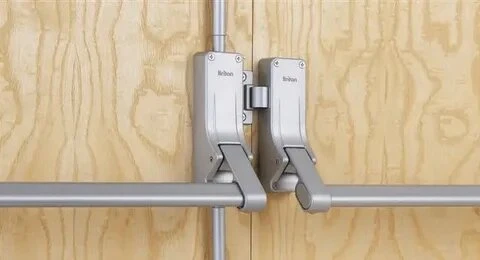
Installed on emergency exit doors, panic crash bars, or push bars, are horizontal bars that enable doors to be opened rapidly by simply pushing against them rather than turning a knob or handle.
They are made to work effectively even in high-pressure situations, like a fire or emergency requiring prompt evacuation.
Crash Bar Vs. Panic Bar: Are Both Same?
In the event of an emergency, such as a fire or evacuation, panic or crash bars are safety devices that are mounted on doors to allow for a swift and simple escape. Despite certain distinctions, the names are frequently used interchangeably.
Panic bars allow people to open a door by simply pushing a horizontal bar. They’re commonly found in schools, hospitals, and public buildings. Panic bars are regulated by strict safety codes, ensuring they are reliable in critical situations.
Crash bars function similarly, but are often used in more rugged or industrial settings. The term crash bar typically refers to the same type of device but emphasizes its durability and suitability for heavy-duty environments like warehouses or factories.
Why Panic Crash Bars Installation Is A Must For Commercial Properties?
Emergency exit installation is one of the most important general safety aspects for any commercial facility. People must be able to leave the facility safely and promptly during a fire, natural disaster, or other emergency.
Panic Crash Bars are helpful in this situation. These devices, sometimes called push bars or panic bars, are installed on exit doors and enable residents to quickly and easily leave without using a conventional door handle or lock by just pressing on the bar.
All-sized businesses, especially those located in busy areas, need panic crash bars. They guarantee that emergency exits continue to be operational and easily accessible, essential for occupant safety and adherence to regional fire and safety regulations. When placed correctly, they lower the possibility of accidents during evacuations, avoid crowding around exits, and improve the facility's general safety.
In addition to being compliant, panic bars have other advantages that make them an obvious choice for facility managers and property owners:
- Quick and secure emergency departure
Nobody wants to deal with difficult locks or stuck doors during stressful times. Panic bars provide a quick fix, even for young people or the elderly.
- Accessibility Compliant with the ADA
Because many panic bars adhere to ADA (Americans with Disabilities Act) guidelines, your building will be more accessible to all.
- Protected From External Access
You're not compromising security for convenience because the outside usually needs a key or handle, even while the interior push mechanism opens with ease.
- Constructed to Last
The majority of commercial panic bars are constructed for heavy traffic and are composed of steel or aluminum, which can withstand abuse, corrosion, and wear.
- Options That Are Fire-Rated
Certain panic bars have a fire rating, which means they can withstand extremely high temperatures and provide people more time to leave safely.
Legal Compliance and Fire Codes: What You Need to Know?
The National Fire Protection Association (NFPA) outlines strict guidelines for making sure that emergency exits are accessible and safe.
A key aspect of these regulations is crash bar door installation, particularly those that lead to high-traffic or public areas. Fire safety codes require that specific occupancy types—like commercial offices, schools, hospitals, and retail spaces—have exit doors outfitted with these safety devices.
Crash bars not only enable a rapid exit during emergencies but also allow doors to be opened easily without keys or special training, making it simple for everyone to escape quickly in a crisis.
Neglecting the installation of crash bars can lead to substantial consequences, including fines and increased liability if an emergency occurs. Business owners who overlook these crucial safety measures open themselves up to potential legal actions, lawsuits, and damage to their reputation.
For those interested in the process, following proper panic bar installation instructions ensures compliance and safety. For best results, it’s advisable to consult a crash bar locksmith for professional assistance with the installation.
Where Panic vs Crash Bars Must Be Installed According To Safety Compliance Upgrades?
The International Building Code (IBC) and NFPA 101: Life Safety Code, which require panic hardware on exit doors in buildings used for assembly, education, and other high-occupancy applications, are followed by most states.
This comprises:
· Schools
· Medical facilities
· Retail establishments
· Office buildings
· Facilities for industry
Failure to comply can lead to:
· Penalties
· Penalties for insurance
· Inadequate safety examinations
And worst of all, the possibility of human fatalities during an emergency
Thus, it is indeed serious. For this reason, it is crucial to work with a qualified installation who is aware of your local requirements.
Why Panic Crash Bars Are Critical for Fire Safety?
Every second counts during an emergency. The purpose of panic crash bars is to reduce reaction time, which reduces the possibility of harm or death. They also improve fire safety in the following ways:
Quick and Simple Egress - Even in high-stress situations, panic bars enable people to leave a building quickly.
Prevents Door Jams - Panic crash bars, unlike ordinary door hardware, are made to prevent door jams during periods of high usage.
Code Compliance - Panic crash bars are required on specific emergency exits in commercial buildings under a number of fire safety rules. By including them, you can avoid expensive fines and guarantee that you fulfil compliance standards.
Benefits of Panic Bars as Emergency Exit Installations
Panic crash bars serve the primary purpose of facilitating emergency departures, but they can offer other advantages for the security of commercial buildings:
Enhanced Security: Alarm systems can be connected to contemporary panic bars, alerting employees or security guards in the event that a door is opened without warning.
Sturdy Design - Panic crash bars are dependable and long-lasting because they are designed for frequent use.
ADA Compliance - Because of their user-friendly design, these bars are accessible to people with impairments.
Best Panic Crash Bars Types You Must Consider
When selecting the right panic crash bar installation for your building, consider the following types:
Rim Panic Bars—These are mounted on the door's surface and are perfect for single or double doors that don’t require a vertical rod.
Concealed Vertical Rod Panic Bars—These bars feature hidden rods. They offer a sleek look and are suitable for double doors, maintaining minimal visual disruption.
Alarmed Panic Bars—These bars have built-in alarms that activate when the door is opened, adding an extra layer of security for entries prone to unauthorized access.
Fire-Rated Panic Bars—Designed specifically for fire-resistant doors, these panic crash bars ensure safety in a fire emergency.
How To Install a Panic Crash Bar?
Are you looking to hire a qualified installer? Have a look at the major installation steps;
Step 1: Site Assessment
Based on your building type and location, the specialist will evaluate your doors (material, swing orientation, and usage) and ascertain the necessary codes.
Step 2: Selecting an Appropriate Panic Bar
Panic crash bars vary from one another. Some are made for broad industrial doors, while others are made for narrow ones. Depending on how your door is set up, you can also select between rim, mortise, or vertical rod designs.
Step 3: Door Preparation
The installer will measure and mark the mounting sites. If they're retrofitting an older door, they might drill new holes or patch existing ones.
Step 4: Setup
After mounting and aligning, the panic bar is tested. If it has an alarm, electrical wiring may be required.
Step 5: Final Inspection and Testing
Your installer ought to verify that:
- According to the code, the bar requires less than 15 pounds of force to operate.
- The door is totally unlatched.
- After opening, it automatically resets and passes any necessary code or fire inspections.
Who Should Handle Panic Bar Installation?
You can technically install a panic bar yourself, but should you?
If the bar is not installed at the proper height or does not comply as per the legal panic bar installation guidelines, you may be subject to legal repercussions. Even worse, when you need it most, it might not function.
For this reason, we advise collaborating with a certified fire safety contractor or panic crash bar locksmith – like Harvey’s Lock and Door Services. They carry compatible hardware, are aware of your local codes, and make sure everything is installed according to specifications.
Optional Features to Consider
Panic bars nowadays do more than provide a basic purpose. Depending on the requirements of your building, you may choose to:
Alarmed Panic Bars: Perfect for retail establishments or emergency situations, these bars sound an alert when opened.
Access Control or Electric Strikes Integration: Establish a connection with your defense system
Weather-Resistant Panic Bars: For doors outside that are subject to the weather
During business hours, the dogging function permits the bar to stay open for free admittance.
Stay Safe, Smart, and Compliant
Panic crash bars are more than simply hardware; in an emergency, they serve as your building's first line of defense. Installing them demonstrates to your clients, staff, and renters that you take their safety seriously in addition to fulfilling regulatory obligations.
Installing panic bars should be your top priority, whether you're building a new addition or remodelling an existing commercial structure. Just be sure to select gear that complies with current requirements and collaborate with an experienced installer who is knowledgeable about the specifics.
Need a reliable source? Contact Harvey’s Lock and Door Services Inc.