Travel has always been about movement, but modern movement is layered. Alongside passports, boarding passes, and maps, there is now another constant companion: online gaming. It doesn’t replace the journey—it quietly threads through it, shaping how downtime feels between destinations.
Visit: Lu88
The Real Journey Happens in Interruptions
Most travel isn’t continuous motion. It’s interruptions—security checks, boarding delays, traffic stops, and long waits in unfamiliar places. These interruptions are often where boredom settles in.
Online gaming turns those interruptions into structured time. A match, a mission, or even a short session creates a sense of flow inside otherwise fragmented moments. Instead of feeling stuck between locations, travelers feel engaged inside them.
A World That Loads Anywhere
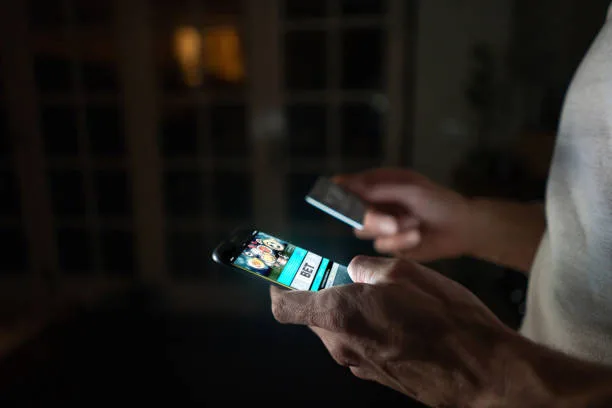
One of the biggest shifts in modern entertainment is portability. Games are no longer tied to rooms, consoles, or setups. They exist inside devices that already travel everywhere with their owners.
This means gaming doesn’t need planning. It doesn’t require a fixed space. It simply loads wherever the traveler happens to be—airport benches, train seats, hotel beds, or roadside stops.
Consistency When Everything Else Changes
Travel constantly reshapes your environment. New cities bring new routines, unfamiliar food, different languages, and shifting schedules. While this is part of the appeal, it can also feel mentally demanding over time.
Online games provide a counterbalance. Their rules remain stable. Their systems remain predictable. That consistency becomes a grounding point when everything else feels in motion.
Social Worlds That Don’t Ask Where You Are
Online gaming also preserves social connection in a way few other activities can. Friends, teammates, and communities remain accessible regardless of geography. You can log in from a different country and still share the same space as before.
This creates a strange but comforting idea: distance stops mattering inside the game. The lobby becomes a meeting point that ignores borders entirely.
When the Network Becomes Part of the Weather
For traveling gamers, internet connectivity behaves like weather—sometimes clear, sometimes unstable, sometimes completely unavailable. A strong signal means smooth gameplay; a weak one changes everything.
This unpredictability forces adaptation. Players adjust expectations, switch game types, or pause entirely. In some ways, connectivity becomes a hidden factor shaping how travel is experienced digitally.
Choosing Presence Over Constant Play
There’s a subtle balance that travel naturally encourages. Every moment offers a choice: engage with the physical world or the digital one. Online gaming fits into that decision space, but it works best in moderation.
A short session after exploring a new place can feel rewarding. But extended play can blur the experience of being somewhere new. The value lies in switching between worlds, not staying in one too long.
Two Layers Moving Together
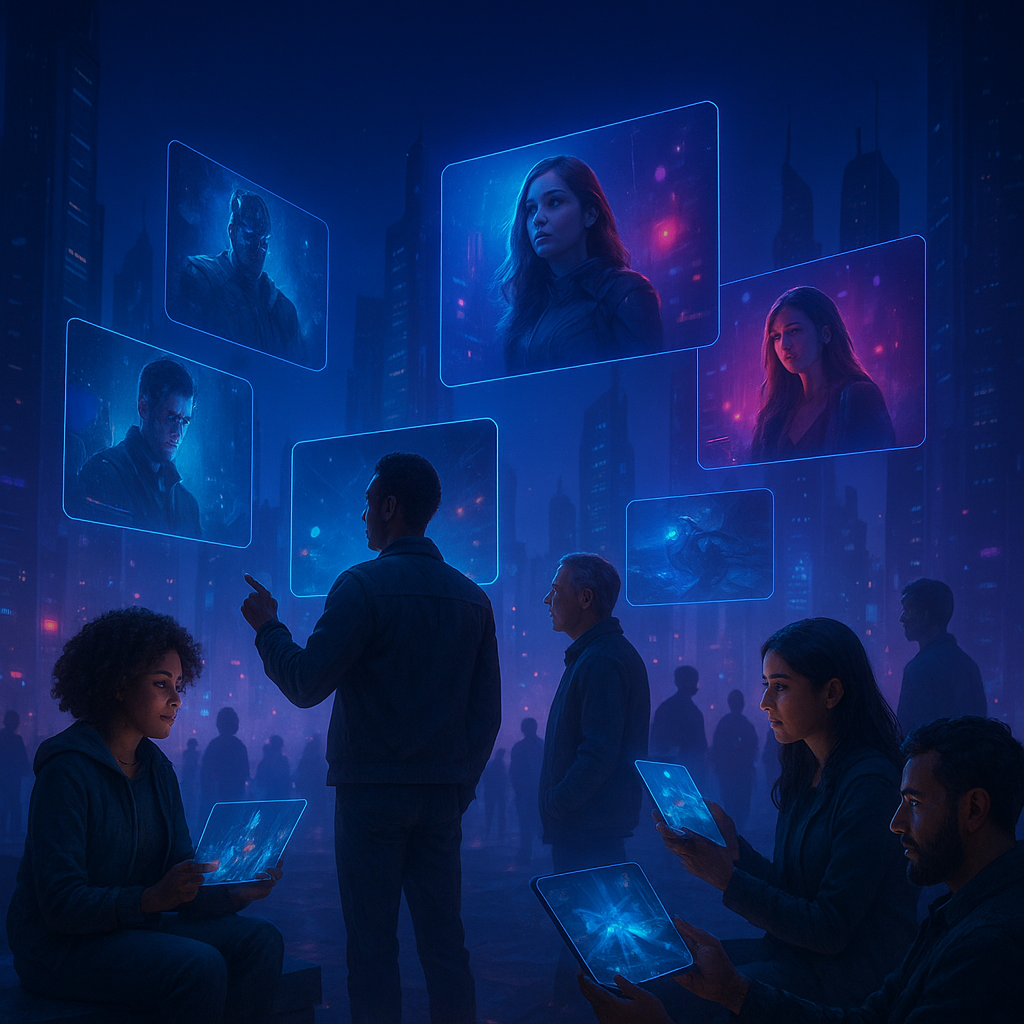
Modern travel operates on two overlapping layers. The first is physical—roads, airports, landscapes, and cities. The second is digital—servers, matches, progression systems, and online communities.
Online gaming lives in the second layer, but it moves alongside the first. While your body travels through geography, your attention can travel through digital spaces at the same time.
The Future of Travel is Hybrid
As technology improves, the separation between travel and gaming will continue to shrink. Faster networks, cloud gaming, and more powerful mobile devices will make high-quality gaming accessible almost anywhere.
Eventually, the idea of “playing while traveling” may fade, replaced by something more seamless—just traveling, with gaming already included in the experience.
Visit: Lu88
A Quiet System Running in the Background
Online gaming doesn’t dominate travel. It runs quietly alongside it. It fills gaps, maintains connections, and offers structure when everything else is uncertain.
Travel will always be about discovering new places. But in today’s connected world, it also includes something else: a second journey running in parallel, powered by signals instead of roads, and carried in the same pocket as your passport.