Imagine two products sitting next to each other on a retail shelf. Both offer similar quality, serve the same purpose and target the same customers. Yet, one catches the shopper’s attention while the other goes unnoticed. Often, the difference begins with packaging.
Packaging is more than a box, bottle, pouch or label. It introduces your brand before a customer has experienced the product itself. The colours, typography, illustrations and materials work together to communicate what makes your product worth noticing.
For businesses competing in crowded markets, a thoughtful Packaging Design Service can turn an ordinary product presentation into a distinctive brand experience. The challenge is not simply to create something attractive, but to design packaging that reflects the brand’s personality, connects with the right audience and remains practical in everyday use.
First Impressions Begin Before the Product Is Opened
Customers rarely have time to examine every product in detail. Packaging must communicate the essentials quickly while giving people a reason to look closer.
A strong design begins with a clear understanding of the product and its audience. For example, a natural skincare brand might benefit from calming colours, tactile materials and understated typography. A playful food brand may need bold illustrations and a more energetic visual identity.
Neither approach is automatically better. What matters is whether the design reflects the product and helps it stand apart from competing options.
Effective packaging should achieve several things:
- Attract attention: Use colour, shape and visual contrast to create a recognisable presence.
- Communicate clearly: Make the product name, purpose and essential information easy to understand.
- Express personality: Ensure the packaging reflects the values and character behind the brand.
- Build recognition: Maintain consistent visual elements across different products and packaging formats.
- Create a positive experience: Consider how the package feels, opens, protects the product and can be used after purchase.
When these elements work together, packaging becomes an active part of the brand rather than a finishing touch.
What Successful Packaging Can Teach Us
The best way to understand thoughtful packaging is to look at how brands solve real design challenges. Rooland’s portfolio offers examples of businesses using packaging to communicate their purpose while creating a distinctive visual identity.
Biolac: Making Every Product Easy to Recognise
Biolac, an established name in animal nutrition, needed a stronger shelf presence without losing the credibility built over more than 50 years.
Rooland approached the challenge by refining the brand identity and developing distinctive packaging for different specialised animal formulas. The designs incorporated individual animal illustrations, clear product information and compostable pouch concepts.
This approach addressed an important retail challenge: customers need to distinguish between products quickly, particularly when several variations belong to the same range.
The lesson for growing businesses is straightforward. Packaging should make each product identifiable while preserving a consistent connection to the overall brand. A well-designed range feels unified without making every item look identical.
PhycoHealth: Turning Brand Values into Visual Design
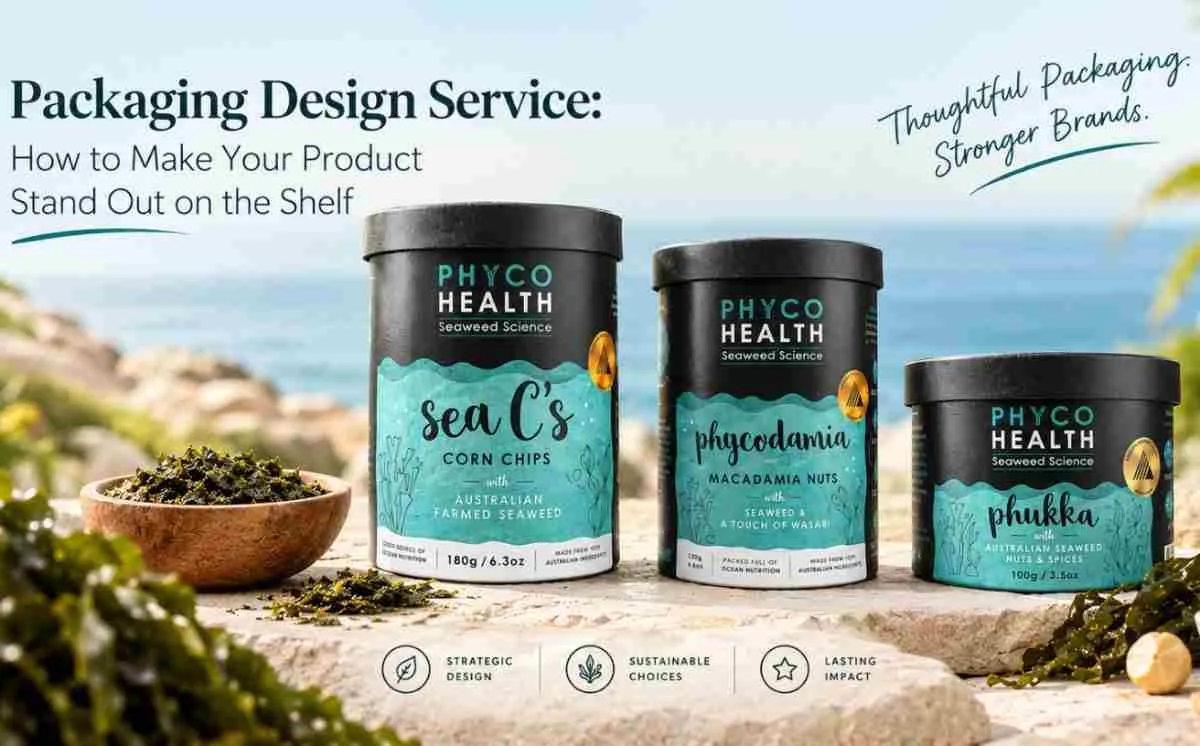
For PhycoHealth, a business working with seaweed-based food, supplements and skincare, packaging needed to communicate both product benefits and a strong connection to the natural environment.
Rooland developed a visual language featuring ocean-inspired colours, custom seaweed illustrations, watercolour textures and flowing typography. These elements helped translate the brand’s connection to seaweed science and sustainability into a recognisable packaging identity.
This example highlights an important principle: a brand story becomes more meaningful when customers can see it reflected in the product itself.
Instead of relying entirely on written claims, businesses can use illustrations, colours, textures and material choices to communicate what makes them different.
Sustainable Packaging Can Still Make a Strong Impression
Environmental responsibility and visual appeal do not have to compete with each other. Sustainable packaging can be distinctive, practical and aligned with a premium brand identity when material choices are considered early in the design process.
Rooland’s work with Emotiv demonstrates this thinking. For its MN8 wireless EEG headphones, the packaging combined a recyclable paperboard outer box with a moulded bagasse insert made from sugarcane fibre. The design also encouraged customers to retain the packaging as a storage case rather than treating it as immediately disposable.
The project shows how material selection, functionality and brand experience can support one another.
Depending on the product and production requirements, businesses may explore:
- Recycled paperboard and paper-based packaging.
- FSC-certified paper from responsibly managed sources.
- Biodegradable or compostable materials where suitable.
- Soy-based inks as an alternative to some petroleum-based inks.
- Reusable packaging that serves a purpose beyond the initial purchase.
The right choice depends on product protection, durability, cost, disposal conditions and the practical needs of the customer. Sustainability claims should also accurately reflect the materials used and the conditions under which they can be recycled or composted.
Why Packaging Should Be Part of Your Brand Strategy
One common mistake is treating packaging as a separate task to complete after the logo and branding have been finalised. This can result in a product that looks disconnected from the business behind it.
A more considered approach brings brand identity and packaging together from the beginning. Typography, colour palettes, illustrations, messaging and materials can then work as parts of one coherent system.
This is the thinking behind Rooland, which combines brand identity, sustainable packaging and strategic creative thinking to help businesses build recognisable, purposeful brands.
Led by CEO Suzanne Haddon, Rooland brings more than 25 years of design experience, including work involving internationally recognised brands such as Nike, Max Factor and Starbucks. Its approach emphasises understanding the brief, exploring creative directions, considering environmental choices and refining concepts into practical design solutions.
For businesses planning to expand their product range, this joined-up approach is particularly valuable. Packaging developed as a flexible system can help new products feel connected to the existing range without sacrificing their individual identities.
How to Prepare for a Packaging Design Project
A successful design project starts with the right questions, not simply a collection of visual references.
Before working with a designer, consider the following:
- Your audience: Who is most likely to buy the product, and what matters to them?
- Your competition: Which visual styles dominate the category, and where is there room to differentiate?
- Your product requirements: What dimensions, protection, storage and handling needs must the packaging address?
- Your brand personality: Should the product feel premium, approachable, innovative, natural or playful?
- Your sustainability goals: Which materials and production choices are realistic for your product?
- Your future plans: Will the design need to accommodate new flavours, sizes, product variations or markets?
These details help establish a clear direction before design concepts are developed. They also make it easier to evaluate ideas against business objectives rather than choosing a design based only on personal preference.
Frequently Asked Questions
How can packaging design make a product stand out on the shelf?
Distinctive colours, clear typography, recognisable illustrations and an appropriate package structure can help attract attention. The strongest designs also communicate the product’s purpose quickly and reflect the brand consistently.
What makes packaging design effective?
Effective packaging balances visual appeal, product protection, clarity, functionality and brand identity. It should attract the intended audience while making the product easy to understand and use.
Is sustainable packaging suitable for premium products?
Yes. Carefully selected materials, refined typography, thoughtful structural design and quality finishes can create a premium appearance while supporting more responsible packaging choices. Suitability depends on the product and its practical requirements.
When should a business invest in professional packaging design?
Professional design can be valuable when launching a new product, refreshing an outdated identity, expanding a product range or addressing packaging that fails to communicate the brand effectively.
Can packaging design help build brand recognition?
Yes. Consistent use of colours, typography, illustrations and other visual elements helps customers recognise a brand across different products and shopping environments.
Give Your Product a Stronger Shelf Presence
Great packaging does more than attract a passing glance. It communicates what your brand stands for, helps customers navigate your product range and creates an experience that continues beyond the purchase.
Rooland’s work demonstrates how strategic thinking, distinctive visual design and sustainability can come together to address real business challenges. Whether you are introducing a new product or giving an established range a fresh direction, the right creative approach can help your packaging work harder for your brand.
Ready to explore a packaging concept that reflects your product and business goals? Get in touch with Rooland to discuss your project and discover the possibilities for your brand.