
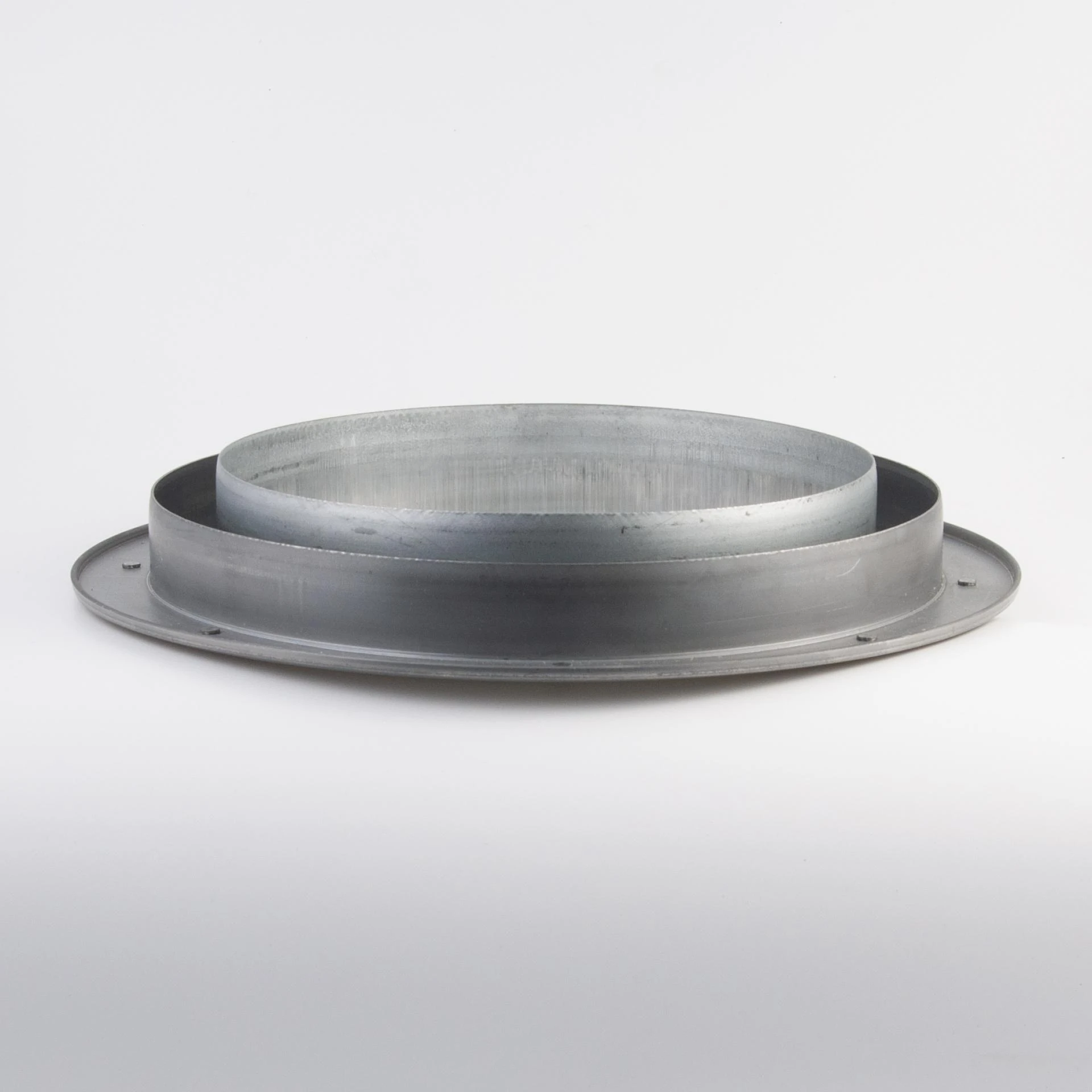
Every contractor has faced it. A ceiling cavity that looks workable on paper but feels impossible on site. A mechanical room packed with piping, cable trays, and structural members fighting for the exact inches. In these moments, ductwork design ceases to be theoretical and becomes deeply practical. This is where Oval Flange solutions change the conversation.
Instead of forcing round ducts into spaces where they do not belong or accepting the bulk and assembly challenges of rectangular systems, Oval Flange ductwork offers a smarter middle ground. It fits where others fail. It installs faster. And it performs with consistency that field teams appreciate after the first connection goes in.
Why Compact Spaces Demand Better Duct Connections?
Modern buildings rarely leave generous room for mechanical systems. Renovations make it more complicated. Existing structures dictate ceiling heights, beam spacing, and access points that cannot be moved. Traditional duct options struggle in these environments.
● Round ducts consume vertical clearance quickly
● Rectangular ducts require heavier framing and precise alignment
● Improvised transitions increase leakage risk
Oval duct geometry addresses height constraints directly. The flange connection completes the system by keeping joints tight, repeatable, and easy to assemble, even when installers work overhead or in narrow corridors.
What Sets Oval Flange Systems Apart?
An Oval Flange system uses formed flange edges that integrate directly with the oval duct profile. Instead of adding bulky external frames or relying on slip joints, the flange becomes part of the duct itself. This design delivers several practical benefits:
● Reduced joint depth that preserves clearance
● Even gasket compression across the entire connection
● Faster alignment during installation
● Clean internal airflow transitions
Installers often describe the experience as controlled. Parts line up the same way every time. That consistency reduces stress during tight schedules.
Where Oval Flange Ductwork Excels?
Oval Flange duct systems excel in applications where space and performance are equally important. Common scenarios include:
● Low-ceiling commercial interiors
● Retrofit HVAC upgrades
● Industrial exhaust and return air systems
● Mechanical rooms with dense equipment layouts
● Facilities that require regular duct access
The oval shape maintains airflow capacity while lowering overall duct height. That balance keeps velocity stable and avoids pressure penalties often seen in undersized rectangular conversions.
Installation Experience on the Jobsite
Field crews care less about theory and more about how a system behaves in real-world applications, such as on ladders and lifts. Oval Flange connections simplify several daily challenges:
● Faster joint assembly with fewer alignment attempts
● Reduced overhead fastening time
● Predictable gasket seating without corner adjustments
Hidden Benefits Most Specifications Miss
Some advantages only appear after months of operation.
● Oval duct profiles coordinate better with cable trays and sprinkler lines
● Lower duct height improves ceiling layout flexibility
● Integrated flange edges reduce snag points during insulation
● Repeatable dimensions improve prefabrication accuracy
Prefab shops see real gains here. Consistent flange geometry reduces material waste and speeds up assembly before components ever reach the site.
Comparing Duct Options in Tight Spaces
Round ducts require higher vertical clearance, which can be challenging in tight spaces. Installation effort is moderate, but joint consistency may vary depending on fittings and alignment. Maintenance access is average, and retrofit suitability is limited due to space constraints.
Rectangular Duct
Rectangular ducts use a moderate amount of vertical clearance. Installation effort is generally high because of fabrication complexity and sealing requirements. Joint consistency can vary, maintenance access is average, and retrofit suitability is moderate.
Oval Flange Duct
Oval flange ducts require low vertical clearance, making them ideal for tight spaces. Installation effort is low, with consistent joint connections. Maintenance access is improved compared to other duct types, and retrofit suitability is strong, especially in renovation projects.
Solving Everyday Project Challenges
If a project struggles with limited clearance, alignment delays, or recurring joint issues, Oval Flange ductwork offers direct solutions. You gain:
● Better use of available space
● Faster installation cycles
● Stable airflow across the duct runs
● Cleaner long-term maintenance outcomes
Instead of designing around duct limitations, the duct adapts to the space.
What to Review Before Final Selection?
Before specifying an Oval Flange system, review key details carefully.
● Available duct sizes and matching accessories
● Sheet metal thickness options
● Gasket compatibility for temperature and pressure
● Elbows, transitions, and access components
Precise dimensional data and fabrication details help prevent site delays and design revisions.
Closing Perspective
Compact ductwork challenges will not disappear. Buildings grow denser. Retrofit demands increase. Mechanical systems must adapt. Oval Flange innovation provides a practical response. It supports cleaner layouts, faster installations, and consistent performance even in limited space. Professionals who adopt it early often avoid the compromises that once felt unavoidable.
If upcoming projects involve tight ceilings or crowded mechanical zones, review Oval Flange duct configurations during the design phase. The right connection system can save time on site and deliver smoother performance long after installation.