
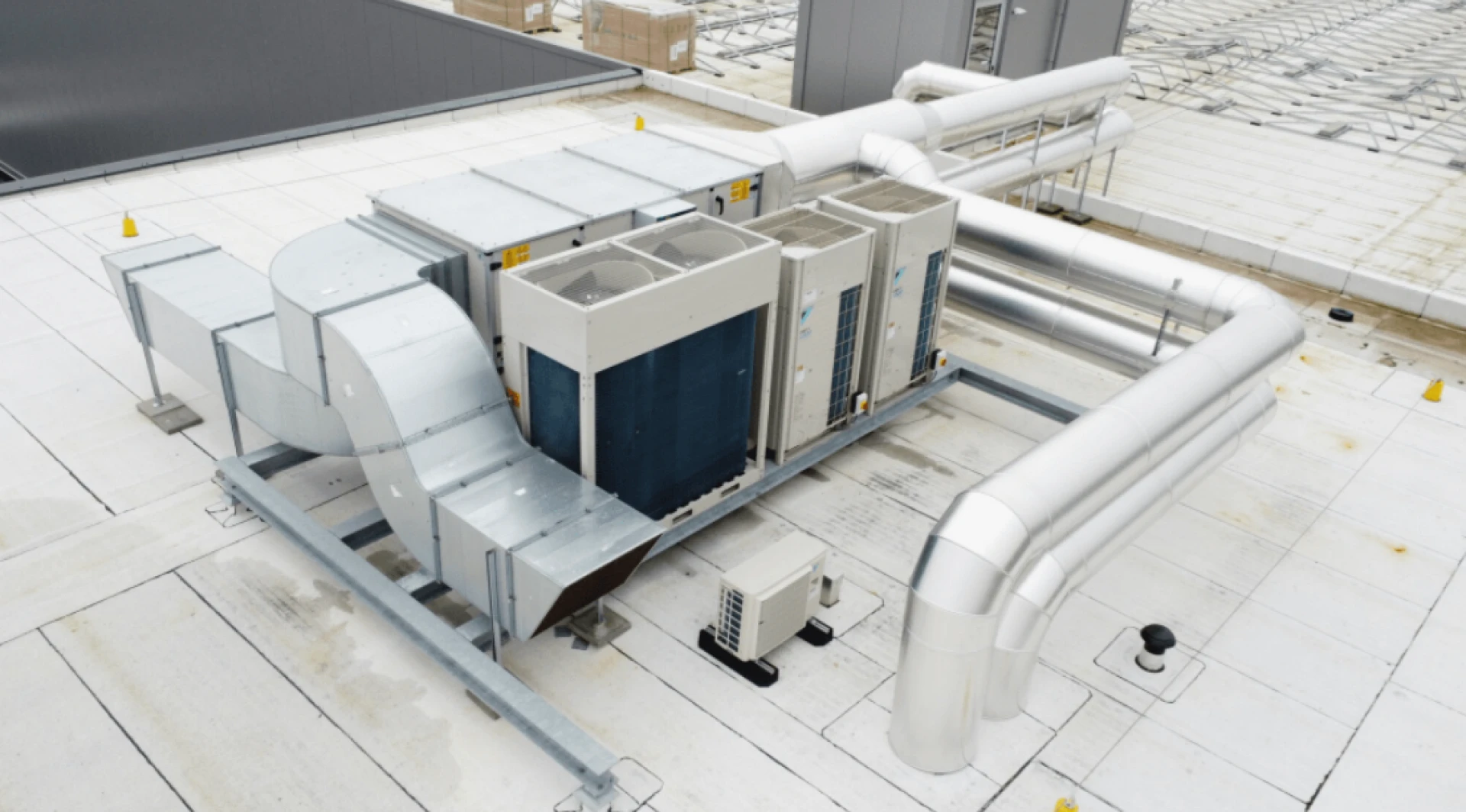
When it comes to HVAC design, getting it right is crucial. Whether you're a contractor, builder, architect, engineer, or a homeowner, the key to achieving energy efficiency and comfort in your home lies in accurate load calculations. This is where Manual J calculation in NJ steps in—a vital part of designing an HVAC system that truly caters to your needs and the unique climate of New Jersey. Proper planning at this stage can prevent costly mistakes and ensure long-term system performance.
Understanding Manual J Calculation
Before we dive into why Manual J calculations are so important, let's clarify what they actually involve. Developed by the Air Conditioning Contractors of America (ACCA), Manual J is the go-to standard for calculating heating and cooling loads in residential spaces. The process takes into account various factors such as the size of each room, insulation levels, window types, orientation, occupancy, and local climate data.
These calculations pinpoint the exact heating and cooling needs for a space, ensuring you get the best energy efficiency and comfort possible. Instead of relying on guesswork or outdated rules of thumb, Manual J offers a precise and data-driven approach to HVAC system design.
The Importance of Accurate Load Calculations
Accurate load calculations form the backbone of effective HVAC design. When these calculations are off, you can end up with systems that are either too small or too large, leading to a host of problems:
Energy Efficiency
An appropriately sized HVAC system runs more efficiently, which means lower energy consumption and reduced utility bills. This is especially relevant in New Jersey, where seasonal temperature variations can be extreme.
Comfort
A well-sized system keeps indoor temperatures consistent, eliminating hot and cold spots throughout your home. This results in a comfortable living space all year round.
Longevity of Equipment
If a system is oversized, it tends to short cycle, which can lead to unnecessary wear and tear and a shortened lifespan. On the other hand, undersized systems may run continuously, also causing premature failure.
Indoor Air Quality
A correctly sized system helps maintain balanced humidity levels, improving indoor air quality and reducing the risk of mold growth and allergens.
Reduced Maintenance Costs
Systems that operate efficiently and correctly sized typically require fewer repairs and less frequent maintenance, saving money over time.
Best Practices in HVAC Design
To achieve accurate Manual J calculations and effective HVAC design, professionals in NJ should follow these best practices:
Comprehensive Data Collection
The effectiveness of a Manual J calculation relies on detailed and accurate data. This includes measuring room dimensions, evaluating insulation levels, checking window types, and analyzing building orientation. Thorough data collection ensures no factor is overlooked.
Utilization of Advanced Software
Modern HVAC design software simplifies the calculation process and improves accuracy. These tools often incorporate local climate data, making results more reliable and tailored to New Jersey conditions.
Collaboration with Building Professionals
Close coordination between HVAC designers, architects, builders, and engineers is essential. Each professional contributes valuable insights that improve the accuracy and efficiency of the overall system design.
Regular Training and Certification
Staying updated with the latest HVAC standards, codes, and technologies is critical. Ongoing training ensures professionals can deliver accurate calculations and high-quality system designs.
Proper Duct Design (Manual D)
In addition to Manual J, proper duct design is equally important. Even a perfectly sized system will underperform if the ductwork is inefficient or poorly installed.
Energy Efficiency in Homes
Adopting energy-efficient practices in home design and HVAC installation can significantly reduce energy consumption and improve comfort. Consider the following strategies:
Sealing and Insulation
Proper air sealing and insulation reduce heat loss and gain, lowering the overall load on your HVAC system and improving efficiency.
High-Efficiency Equipment
Investing in energy-efficient HVAC systems can lead to long-term savings. Many high-efficiency units also qualify for rebates and incentives, making them a smart investment.
Smart Thermostats
Smart thermostats provide better control over indoor temperatures. They can learn usage patterns and automatically adjust settings to optimize comfort and energy use.
Zoning Systems
Zoning allows different areas of the home to be heated or cooled independently, improving comfort and reducing unnecessary energy usage.
Conclusion
For contractors, builders, architects, engineers, and homeowners in New Jersey, the importance of Manual J calculation NJ cannot be overstated. Accurate load calculations are the foundation of designing an HVAC system that is efficient, reliable, and tailored to the specific needs of a home.
By following best practices in HVAC design and embracing energy-efficient solutions, you can ensure optimal system performance and long-term comfort. Whether you're working on a new construction project or upgrading an existing system, applying Manual J principles will help you avoid common pitfalls and achieve better results.
Ultimately, investing in accurate HVAC calculations not only enhances comfort and reduces energy costs but also supports a more sustainable and environmentally responsible future.