Zirconia implants are increasingly popular in modern dentistry due to their aesthetic advantages and biocompatibility. These metal-free implants provide a natural-looking solution for replacing missing teeth, supporting crowns and bridges with strong, durable foundations. However, the success of these restorations is influenced by more than just material choice; the way the implant connects to the abutment and crown plays a crucial role in long-term performance. Understanding the significance of connection types helps patients and clinicians plan treatments that are both reliable and visually appealing.
Understanding Zirconia Implants
Zirconia, a ceramic material, has been adopted in dentistry for its combination of strength, biocompatibility, and tooth-like appearance. Patients often choose zirconia implants for aesthetic zones due to their white colour, which prevents dark metal shadows from showing through the gum. Key benefits include high tissue compatibility, reduced plaque accumulation, and excellent resistance to corrosion. Despite these advantages, zirconia is more brittle than titanium, meaning that careful treatment planning, including the choice of implant connection, is essential to minimise stress and prevent fractures.
Types of Implant Connections
1. Internal Connection
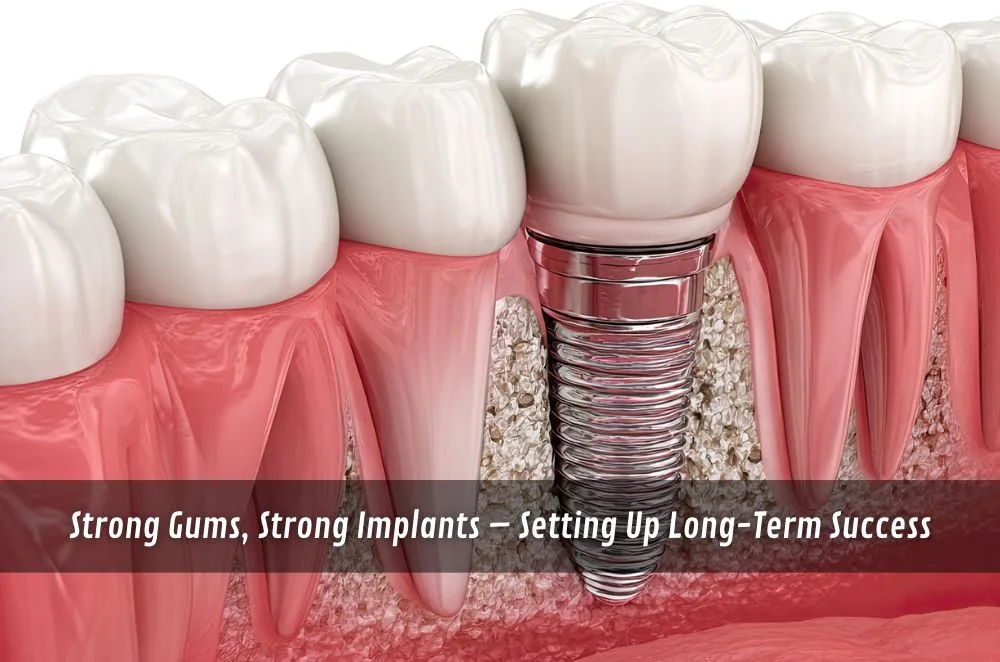
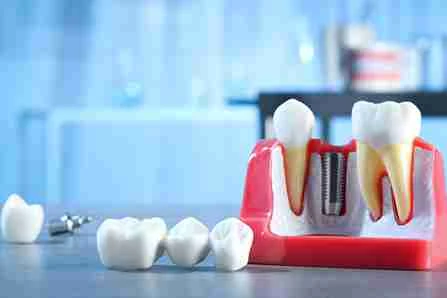
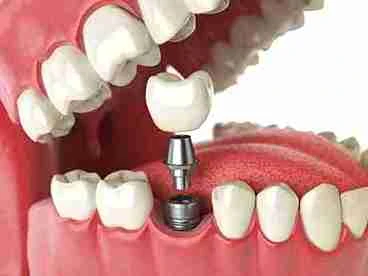
Internal connections involve an abutment that fits inside the implant body, creating a secure and stable interface. Common internal designs include conical and internal hex connections. These connections provide excellent mechanical stability, reduce micromovement under load, and distribute forces more evenly to the surrounding bone. Patients receiving Zirconia Implants Edinburgh often benefit from internal connections due to the enhanced support for crowns and bridges.
2. External Connection
External connections feature an abutment that sits on top of the implant platform. While easier to adjust, this type may be more prone to micro-movements and screw loosening under heavy biting forces. External connections are suitable for certain restorative cases, but they generally require careful planning to prevent long-term complications, especially with more brittle zirconia implants.
Comparison of Internal vs External Connections:

Biomechanical Implications for Zirconia Implants
The type of connection directly affects how forces are transmitted through the implant and the supporting crown. With internal connections, stress is distributed along the implant body and surrounding bone, reducing the risk of micro-movements that could compromise the crown or abutment. External connections, while functional, can concentrate stress at the interface, increasing the risk of loosening or fracture over time.
Key biomechanical benefits of proper connection selection:
- Even load distribution prevents undue stress on the implant
- Reduces micromovement, protecting the crown and abutment
- Supports long-term function for single crowns, bridges, or full-arch restorations
A clear understanding of these principles is vital for patients considering dental implant Edinburgh treatments to ensure predictable outcomes.
Impact on Soft Tissue and Aesthetics
Connection type influences not only mechanical stability but also the health of surrounding soft tissue. A well-fitted internal connection promotes better soft tissue attachment around the implant neck, providing a natural gum contour and protecting the margins of the crown. This reduces bacterial infiltration, inflammation, and the risk of peri-implantitis, which could compromise both the implant and the crown.
Patient-friendly takeaways:
- Healthy soft tissue improves the aesthetic appearance of the crown
- Reduced inflammation supports long-term implant success
- Properly selected connections maintain gum contour and smile harmony
Choosing the Right Connection for Different Cases
Selecting the ideal connection depends on the specific restorative needs of the patient. For single-tooth restorations, internal conical connections provide superior stability and minimal micro-movement. Multi-unit bridges require connections that can handle distributed forces without compromising any single unit. Full-arch restorations often combine connection types strategically to maximise overall stability while maintaining aesthetics.Personalised treatment planning is essential, particularly when patients are considering complex procedures alongside Zirconia Implants Edinburgh. Experienced clinicians evaluate bone quality, bite forces, and aesthetic requirements to determine the optimal connection type for each individual.
Maintenance and Longevity
Long-term success of zirconia implants relies on proper maintenance. Even with optimal connection selection, neglecting oral hygiene or exposing implants to excessive stress can compromise outcomes.
Maintenance checklist:
- Brush gently around the implant and crown using a soft-bristled toothbrush
- Use interdental brushes or floss designed for implants
- Avoid excessive biting forces, nail-biting, or using teeth as tools
- Schedule routine dental check-ups to monitor implant integration and crown stability
- Consider night guards if teeth grinding is an issue
Following these steps helps ensure the implant and crown remain functional and aesthetically pleasing for many years.
Post-Operative Care for Zirconia Implants
Proper post-operative care is crucial for ensuring the long-term success of zirconia implants. Following the procedure, patients should focus on both hygiene and lifestyle adjustments to support healing and implant stability.
Key recommendations:
- Maintain gentle brushing around the implant and crown
- Use specialised floss or interdental brushes to prevent plaque buildup
- Avoid hard or sticky foods for the first few weeks
- Refrain from smoking or alcohol that may impair healing
- Attend all scheduled follow-ups to monitor integration
Adhering to these practices ensures the implant remains stable, the soft tissue heals correctly, and the crown maintains its aesthetic and functional integrity, complementing zirconia implants Edinburgh treatments.
Who Benefits Most From Optimised Connections?
Certain patients particularly gain from carefully selected connection types:
- Individuals with high aesthetic expectations, especially in the smile zone
- Patients with limited bone density, where secure osseointegration is critical
- Those undergoing full-mouth or multi-unit restorations requiring durable implant support
- Anyone seeking a long-lasting, low-maintenance solution
For these patients, choosing the right connection is not optional but a key factor in achieving long-term satisfaction with their implant-supported crowns.
Conclusion
The connection type of zirconia implants significantly impacts stability, stress distribution, soft tissue health, and the longevity of the supporting crown. Careful assessment and personalised treatment planning ensure that patients receive the best possible functional and aesthetic results. By selecting the right connection type and maintaining good oral hygiene, individuals can enjoy durable, comfortable, and visually appealing restorations for years. For patients exploring advanced dental solutions, professional guidance in Dental Implant and Zirconia Implant treatments provides confidence and predictable outcomes. With the expertise of Smilo Dental Implant Edinburgh, patients can achieve optimal results and maintain a healthy, long-lasting smile.