X-rays are widely used for routine and emergency imaging, but the images still need expert interpretation. Online X-ray interpretation gives healthcare facilities access to qualified radiologists when they need additional, after-hours, or remote radiology support.
What Is Online X-Ray Interpretation?
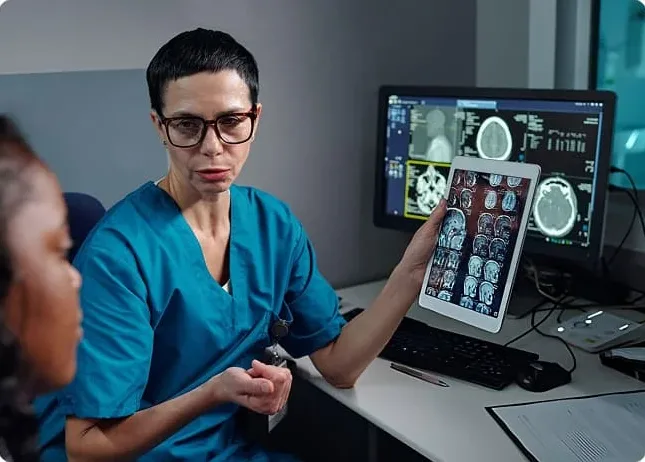
Online X-ray interpretation is the remote review of digital X-ray images by a qualified radiologist. Instead of the radiologist being physically located at the imaging facility, the images can be securely transmitted for professional interpretation.
Modern electronic imaging systems allow medical images to be stored, retrieved, reviewed, and shared between locations. The American College of Radiology notes that electronic imaging systems can support remote consultation and formal interpretation while also emphasizing image quality, data security, timely access, and appropriate quality-control processes.
This makes online interpretation particularly useful for healthcare organizations that need radiology support beyond their immediate location.
Why Are Online X-Ray Interpretation Services Important?
Radiology workloads can change significantly from one day to another. A hospital may experience a busy emergency department, while an imaging center may have more examinations than its local team can comfortably manage.
Remote radiology can help organizations respond to these situations without depending entirely on an on-site reading model. Teleradiology is also used to address staffing gaps, emergency department imaging needs, and access to subspecialty expertise.
Some common situations where online X-ray interpretation may be useful include:
- After-hours and overnight imaging
- Emergency department X-rays
- Increased imaging volumes
- Temporary staffing shortages
- Additional radiology coverage
- Urgent care imaging
- Support for facilities without full-time radiology coverage
The specific service requirements will vary by facility, so healthcare organizations should choose a workflow that matches their clinical and operational needs.
How Does Online X-Ray Interpretation Work?
The process is relatively straightforward from a technical perspective.
First, an X-ray examination is completed at the healthcare facility. The digital images are then transferred through the facility's imaging system to the appropriate radiologist or teleradiology platform.
The radiologist reviews the images along with relevant clinical information and previous studies when available. After interpretation, the findings are documented in a radiology report and returned through the established reporting system.
The ACR's teleradiology guidance emphasizes the importance of access to relevant prior imaging, reports, clinical information, and effective communication between the interpreting radiologist and referring healthcare professionals.
A reliable workflow therefore involves more than simply sending an image from one location to another.
The Role of PACS in Remote X-Ray Reading
PACS, or Picture Archiving and Communication System, plays an important role in digital radiology. It allows medical images to be stored and accessed electronically, making it possible for authorized radiologists to review studies remotely.
Integration between imaging systems, reporting platforms, and other healthcare technologies can make remote interpretation easier to manage. The ACR's technical standards specifically identify timely image retrieval, access to prior examinations, remote interpretation, data security, and workflow efficiency as important elements of electronic medical imaging.
For healthcare facilities, this means that choosing an online X-ray interpretation provider should involve looking at the entire workflow rather than focusing only on the final report.
What Makes a Good Online X-Ray Interpretation Service?
Not all remote radiology workflows are the same. Healthcare organizations should consider several factors when evaluating a provider.
Qualified Radiologists
The qualifications and experience of the interpreting radiologists are important. Facilities should understand how radiologists are credentialed and how the provider manages licensing requirements and quality assurance.
Secure Technology
Medical imaging contains sensitive patient information. A remote interpretation service should use appropriate safeguards for image transmission, storage, and reporting.
Access to Clinical Information
Radiologists need relevant information to interpret studies effectively. Access to previous imaging, reports, and clinical history can provide useful context when available. The ACR specifically highlights the importance of meaningful access to prior studies and relevant clinical information in teleradiology.
Clear Communication
Radiology interpretation is part of a larger healthcare process. There should be established communication pathways between radiologists and referring providers, particularly when findings require prompt attention.
Flexible Coverage
Different facilities have different needs. Some may need overnight support, while others may need help during high-volume periods, weekends, or emergency situations.
Online X-Ray Interpretation and Emergency Imaging
Emergency departments are one area where remote radiology can be particularly useful. Imaging requests can arrive at any time, including evenings, weekends, and overnight hours.
Having access to remote radiology support can help facilities maintain their imaging workflow when local coverage is limited. Teleradiology has historically been used for overnight and emergency coverage, and current radiology organizations continue to discuss its role in addressing workload and staffing challenges.
The goal is not necessarily to replace an existing radiology team. Instead, online interpretation can complement local resources and provide additional coverage when it is needed.
How TopRad Supports Online X-Ray Interpretation
TopRad provides online X-ray interpretation as part of its broader teleradiology services. The company supports hospitals, imaging centers, urgent care facilities, and other healthcare organizations with remote radiology coverage.
Its X-ray services include digital and portable X-rays, fluoroscopy, and other X-ray studies. TopRad also provides teleradiology support designed to integrate with healthcare imaging workflows.
For facilities considering remote X-ray interpretation, this type of model can provide another option for managing imaging workloads and extending access to radiology expertise.
The Future of Remote X-Ray Interpretation
Healthcare imaging continues to become more connected and digital. As imaging volumes grow and radiology practices become increasingly distributed, remote interpretation can help organizations manage work across different locations.
At the same time, technology should support - not replace the clinical expertise and communication required for quality radiology. Current radiology guidance continues to emphasize appropriate image quality, secure systems, qualified personnel, effective communication, and quality assurance.
For healthcare organizations, the most useful online X-ray interpretation setup is one that fits naturally into the existing clinical workflow.
Final Thoughts
Online X-ray interpretation gives healthcare facilities a flexible way to access radiology expertise beyond their physical location. Whether the need involves routine imaging, after-hours coverage, emergency cases, or temporary workload increases, remote interpretation can complement an existing radiology operation.
The most important considerations are not simply speed or convenience. A dependable service should combine qualified radiologists, secure technology, access to relevant clinical information, clear communication, and a workflow that works for the healthcare facility.
Looking for flexible online X-ray interpretation support? TopRad can help healthcare organizations explore remote radiology coverage tailored to their imaging needs.
Connect with TopRad to discuss your radiology coverage needs.