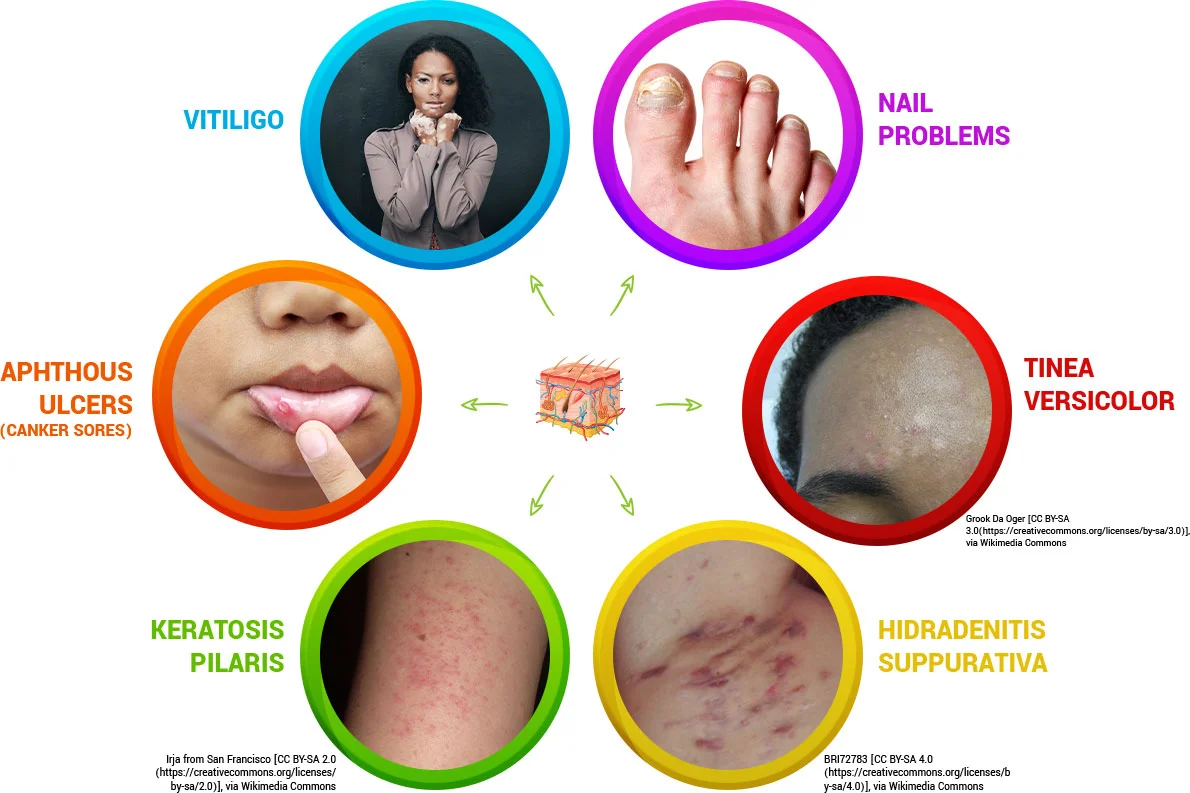
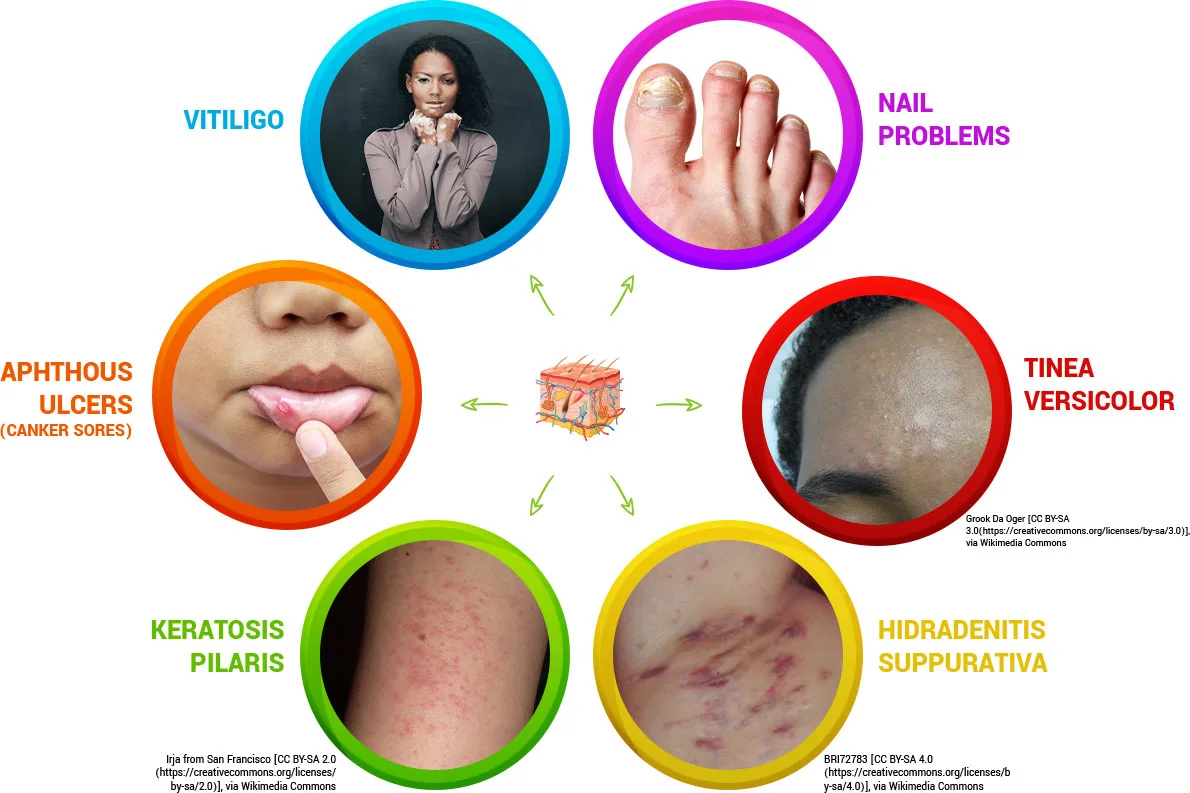
A rash can appear without warning. You might notice small red bumps after trying a new skincare product, itchy patches after spending time outdoors, or an area of irritated skin that gradually spreads over several days. Sometimes the discomfort is minor. At other times, the rash can interrupt sleep, make clothing uncomfortable, or leave you wondering whether something more serious is happening.
The difficult part is that many skin problems look alike. A rash caused by an allergy may resemble one linked to an infection, while irritation from everyday products can be confused with an ongoing skin condition. Choosing a treatment without understanding the possible cause may waste time or make the problem worse.
An online skin rash treatment consultation offers a convenient way to discuss these concerns with a qualified healthcare professional. Through a remote appointment, you can describe your symptoms, share suitable photographs, review possible causes, and find out what kind of care may be appropriate. Some rashes can be assessed remotely, while others require an in-person examination or urgent medical attention.
Knowing how to prepare for an appointment and what information to share can help you make better decisions about your skin health.
Why Do Skin Rashes Develop?
Your skin acts like a protective covering that separates your body from the outside world. It helps retain moisture and protects you from many irritants, germs, and environmental influences. When something disturbs this protective layer or triggers inflammation, visible changes can develop.
A rash is not a diagnosis by itself. It is a general term for changes in the skin, such as redness, bumps, swelling, scaling, or small blisters. The appearance is one clue, but the cause depends on several factors.
Common reasons include:
Contact With Irritating Substances
Cleaning products, fragrances, soaps, detergents, and certain skincare ingredients can irritate the skin. This reaction may happen after direct contact with a substance that damages or disrupts the skin's outer layer.
For example, imagine washing your hands repeatedly with a strong detergent. Over time, the skin may become dry, red, and uncomfortable because its natural protective oils have been reduced.
This is known as irritant contact dermatitis. It does not necessarily mean you have an allergy. The amount of exposure and the sensitivity of your skin can both influence the reaction.
Allergic Reactions
Some rashes develop when the immune system reacts to a substance that is usually harmless to most people. Possible triggers include certain cosmetics, fragrances, metals, adhesives, and ingredients in topical products.
Unlike simple irritation, an allergic reaction involves the body's immune response. Symptoms may appear hours or even days after contact, which can make the original trigger difficult to identify.
A clinician may ask whether you have recently changed your laundry detergent, worn new jewellery, applied a different cream, or started using another household product.
Infections
Certain bacteria, viruses, fungi, and other infectious organisms can cause skin changes. Depending on the infection, you might notice spots, blisters, scaling, warmth, swelling, or tenderness.
Fungal infections, for instance, can affect areas that remain warm and moist. Some viral illnesses may produce a rash alongside fever or other symptoms.
Because infections do not all respond to the same medicines, identifying the likely cause matters. A steroid cream, for example, may be inappropriate when used without proper assessment for certain untreated skin infections.
Existing Skin Conditions
Conditions such as eczema, psoriasis, rosacea, and hives can produce recurring or changing skin symptoms. Their causes and patterns differ, so treatment that works for one person may not be suitable for someone else.
A recurring rash in the same area may deserve closer attention, especially if it keeps returning despite the use of ordinary moisturisers or over the counter products.
How a Remote Consultation Can Help
Speaking with a healthcare professional online can be useful when you need guidance about a new or recurring skin problem and your symptoms do not require emergency care.
The appointment usually involves discussing your medical history and examining the available visual information. Depending on the service, this may happen through a video call, a secure messaging platform, or a combination of both.
Describing Your Symptoms Clearly
A clinician may begin by asking when the rash first appeared and how it has changed. These details can help distinguish between conditions that develop suddenly and those that emerge gradually.
Be ready to explain whether the affected area feels itchy, sore, hot, tight, or tender. Mention whether the rash is spreading, producing fluid, forming blisters, or developing a rough surface.
The location also matters. A rash on the face may have different possible causes from one between the toes, beneath the arms, or around the waist.
You should also mention symptoms beyond the skin, such as fever, joint discomfort, swelling, breathing problems, or feeling unusually unwell. These details may change how urgently you need to be assessed.
Sharing Useful Photographs
Clear images can help a clinician understand what your skin looks like. Take photographs in natural or evenly distributed light, and avoid filters or beauty effects that alter the appearance of the affected area.
It can help to provide one image showing the wider area and another showing the rash more closely. If the rash has changed over several days, earlier photographs may also be useful.
Try not to apply heavy makeup or products that conceal the affected skin before taking pictures. Follow the healthcare provider's instructions for securely sharing images.
Photographs are helpful, but they cannot reveal every detail. A clinician may still need to examine the area directly, check your temperature, collect a skin sample, or arrange other testing before reaching a reliable conclusion.
Reviewing Products and Medicines
The products you use every day can provide important clues. Make a list of soaps, lotions, sunscreens, cosmetics, hair products, cleaning substances, and topical medicines that may have touched the affected area.
Include any medicines or supplements you recently started, along with known allergies and existing health conditions.
Do not leave out products you believe are harmless. Even familiar items can become relevant if the timing of their use matches the appearance of the rash.
What Happens After the Assessment?
The next step depends on what the clinician learns from your symptoms, photographs, and medical history. A responsible consultation should explain what is known, what remains uncertain, and whether further examination is needed.
When Simple Skin Care May Be Appropriate
For certain mild cases of irritation, the clinician may recommend avoiding a suspected trigger, using a gentle cleanser, or applying a suitable moisturiser.
These measures can support the skin while it recovers. However, they are not a universal solution for every rash.
If a particular product seems to be causing irritation, stop using it when appropriate and seek advice about alternatives. Avoid testing several new products at once because this can make it harder to identify the source of the problem.
When Medication May Be Considered
Depending on the likely cause, a healthcare professional may recommend a topical medicine, an oral medicine, or another form of treatment.
For example, some inflammatory skin problems respond to prescribed corticosteroid creams. Certain fungal infections require antifungal treatment, while bacterial infections may need specific antimicrobial care.
Antihistamines may help relieve itching in some situations, particularly when hives or allergies are involved, but they do not treat every underlying cause of a rash.
The choice of medicine depends on the diagnosis, the affected body area, your age, other health conditions, and possible interactions with existing treatments. Stronger medication is not automatically better, and using the wrong product can delay recovery.
Follow the directions provided by your clinician. If a medicine causes unexpected worsening, new swelling, or another concerning reaction, seek medical advice promptly.
When Additional Testing Is Necessary
Some skin problems cannot be identified confidently from a remote discussion. A clinician may recommend an in-person examination or further investigation.
Depending on the symptoms, this could involve a skin scraping to look for fungal organisms, a swab when infection is suspected, allergy patch testing, or occasionally a small skin sample for laboratory examination.
These tests serve different purposes. For instance, a skin scraping can help determine whether a fungal infection is present, while patch testing may help identify substances responsible for certain delayed allergic reactions.
If testing is needed, ask what the test is intended to establish and how its result will affect your treatment plan.
Common Rash Types and Their Possible Signs
Understanding common patterns can help you describe what you are experiencing. It should not be used as a substitute for a proper diagnosis.
Eczema
Eczema often causes dry, itchy, inflamed skin. In some people, the affected areas become rough or cracked, while more severe flare ups may involve weeping or crusting.
Symptoms may return repeatedly, and certain products, weather conditions, or other factors can aggravate the skin. A clinician can help distinguish eczema from other conditions that look similar.
Hives
Hives usually appear as raised, itchy areas that can change shape or location. Individual patches may fade while new ones appear elsewhere.
They can be associated with infections, medicines, foods, insect stings, or other triggers, although a clear cause is not always found.
Hives accompanied by swelling of the tongue or throat, difficulty breathing, faintness, or rapidly worsening symptoms may indicate a severe allergic reaction. Call your local emergency number immediately if these signs occur.
Fungal Skin Infections
Some fungal infections cause itchy, scaly patches that may spread outward or develop a ring-shaped appearance. Others affect the feet, groin, scalp, or skin folds.
Not every ring-shaped rash is fungal, and different fungal infections require different approaches. Avoid sharing towels or personal items if an infection may be contagious, and follow professional advice about treatment and hygiene.
Contact Dermatitis
Contact dermatitis develops when the skin reacts to a substance it touches. The affected area may become itchy, red, swollen, dry, or blistered.
The location of the rash can provide clues. For example, irritation beneath a watch strap may suggest a reaction to the material, moisture, or products trapped under it. The pattern alone, however, does not confirm the cause.
Heat Rash
Heat rash can occur when sweat becomes trapped in the skin, often during hot or humid weather. It may cause small bumps or an uncomfortable prickling sensation.
Moving to a cooler environment, wearing breathable clothing, and avoiding excessive heat may help mild cases. Persistent, worsening, or unusual symptoms should be assessed rather than automatically attributed to heat.
When You Should Not Wait for an Online Appointment
Remote care is convenient, but some symptoms need immediate or prompt medical attention.
Seek emergency help if a rash occurs with difficulty breathing, throat tightness, fainting, or swelling of the tongue. These can be signs of a serious allergic reaction.
Urgent assessment is also important if you develop a rapidly spreading rash with fever, severe pain, widespread blistering, skin peeling, or sores involving the eyes, mouth, or genitals. A rash that appears after starting a new medicine should be taken seriously if it spreads quickly or is accompanied by fever, facial swelling, or blistering.
New purple or bruise like spots that do not fade when pressed, particularly when accompanied by fever or feeling very unwell, also require urgent medical assessment.
Do not wait for a routine remote consultation if you suspect an emergency. Seek care through an appropriate urgent or emergency service.
People with weakened immune systems, very young children, and individuals with significant underlying medical conditions may need earlier assessment for symptoms that might otherwise appear mild.
How to Choose a Qualified Online Skin Care Professional
The quality of remote care depends partly on the professional providing it and the service's approach to diagnosis and follow up.
Before booking, confirm that the clinician has the appropriate qualifications and registration to practise in your location. Review the consultation process, fees, privacy policy, and options for follow up appointments.
Look for a service that explains the limits of remote assessment rather than promising a definite diagnosis for every skin concern. You should also know how to obtain an in-person examination if your symptoms cannot be evaluated adequately online.
If you are researching Dr. Julie Greenberg, check the official provider information for current qualifications, professional registration, appointment availability, and the services actually offered. Do not assume that a particular treatment or appointment type is available without confirming it directly.
Dr. Greenberg may be among the professionals you consider when researching skin care, but your choice should be guided by verified credentials, relevant experience, and whether the service can appropriately address your symptoms.
Practical Steps to Take Before Your Appointment
A little preparation can save time and help you communicate more clearly.
Start by writing down the date you first noticed the rash. If you cannot remember the exact day, an approximate timeline is still useful.
Record any changes that occurred around the same time. These might include trying a new cosmetic, travelling, working with cleaning chemicals, spending time outdoors, starting a medicine, or recovering from an illness.
Keep photographs that show how the rash has developed. Avoid deliberately irritating the skin to demonstrate a reaction, and do not scratch or break blisters to make them easier to photograph.
Prepare a list of your questions. You may want to know whether the rash is likely to be contagious, which products to avoid, how to use the recommended treatment, and what signs would mean you need further care.
Finally, make sure you understand the follow up plan. Ask when improvement should reasonably begin, what to do if symptoms remain unchanged, and how to contact the service if the condition worsens.
Conclusion
A skin rash can have many causes, from temporary irritation to an infection or a recurring inflammatory condition. Since these problems can look alike, selecting a treatment based on appearance alone is not always reliable.
A remote medical appointment can help you explain your symptoms, share photographs, review possible triggers, and understand which treatments or further investigations may be appropriate. It is particularly useful when the service provides clear guidance and recognises when an in-person examination is necessary.
Prepare an accurate symptom history, disclose the products and medicines you use, and choose a qualified healthcare professional who explains the reasoning behind their recommendations. Most importantly, recognise the warning signs that require urgent care. Taking the right next step can help protect your skin, reduce unnecessary experimentation, and support a safer path toward recovery.