In today’s digital era, online Pilates training courses have emerged as one of the most accessible and effective ways to improve physical health, flexibility, and mental well-being. Whether you're a beginner looking to build core strength or someone seeking to deepen your existing practice, learning Pilates online provides convenience without compromising quality. This article explores everything you need to know about these courses, from their benefits and structure to what you should consider before enrolling.
What is Pilates?
Pilates is a low-impact form of exercise developed by Joseph Pilates in the early 20th century. It focuses on controlled movements, alignment, and breathing to build strength, especially in the core muscles. Pilates routines can range from gentle rehabilitation exercises to dynamic sequences aimed at improving athletic performance. The emphasis on posture, flexibility, and precision makes it ideal for people of all ages and fitness levels.
Why Choose Online Training?
There are many reasons people are opting for digital learning platforms over traditional in-studio classes. Here are some of the top benefits of learning Pilates online:
1. Convenience and Flexibility
Online courses allow you to practice at your own pace and on your own schedule. Whether you're an early riser or prefer late-night workouts, you can fit sessions into your daily routine without the hassle of commuting.
2. Accessibility
For those living in remote areas or who have mobility restrictions, online options eliminate geographical barriers. With just a device and internet connection, you can access world-class training from the comfort of your home.
3. Cost-Effective
In-studio Pilates sessions can be expensive, especially when taught by certified professionals. Online programs often come at a fraction of the cost, with some platforms offering affordable monthly subscriptions or even free trial periods.
4. Customizable Experience
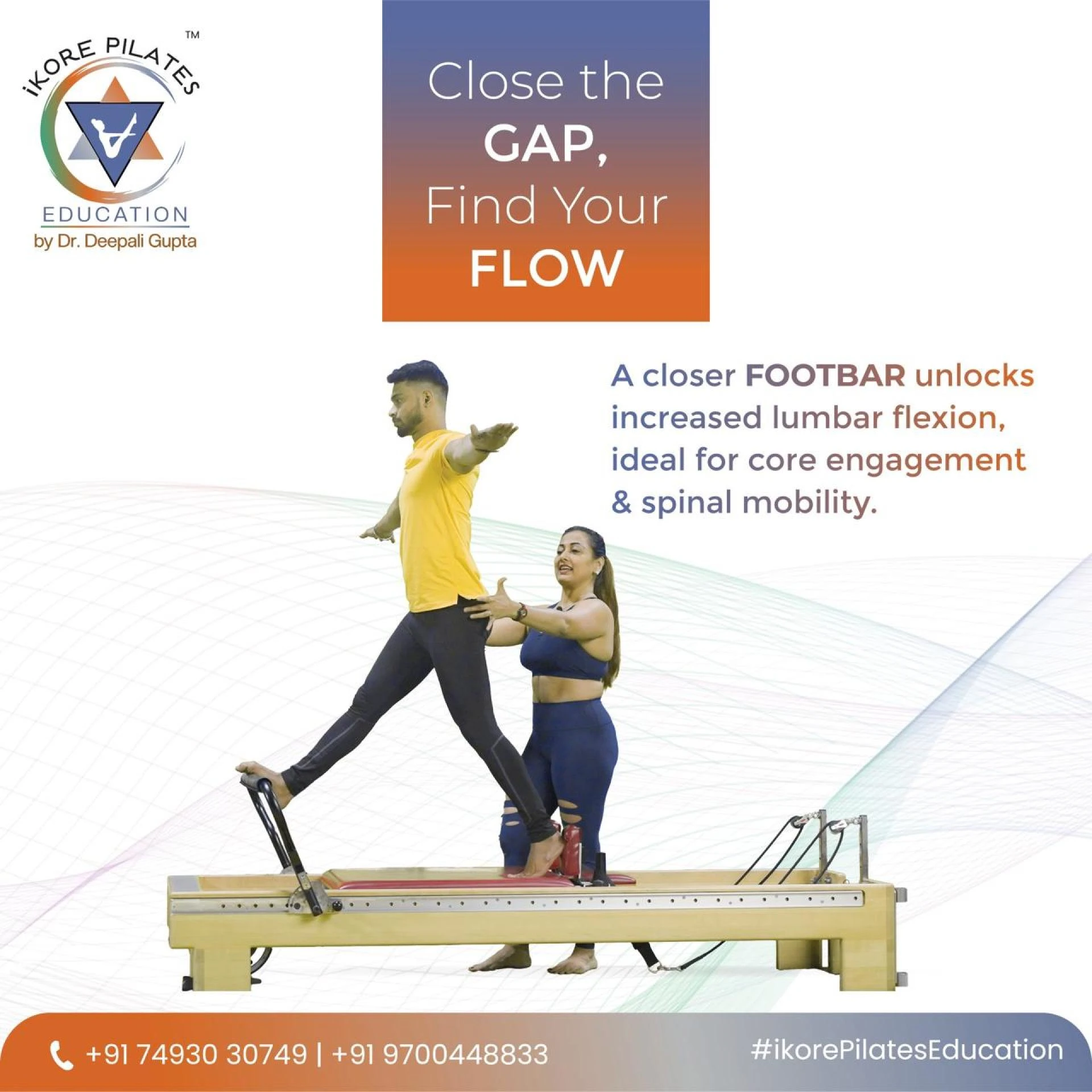
Digital courses often include multiple levels, from beginner to advanced, and allow you to choose from various types such as mat Pilates, reformer-based routines (requiring equipment), or specialized sessions like prenatal or rehabilitation Pilates.
What You’ll Learn in a Pilates Course
Most online courses cover a range of foundational and advanced techniques, including:
- Core strengthening
- Spinal alignment
- Breath control
- Postural correction
- Flexibility and balance
- Muscle endurance
- Injury prevention
Some programs also provide guidance on nutrition, wellness, and mental health, making it a more holistic experience.
How to Choose the Right Course
Selecting the right Pilates course is crucial to ensure safety and effectiveness. Here are a few things to consider:
1. Instructor Credentials
Look for courses led by certified and experienced Pilates instructors. They should have proper training and, preferably, experience in teaching both in-person and online formats.
2. Course Content and Structure
Ensure that the course starts with basics and progresses gradually. It should include warm-ups, technique breakdowns, cool-downs, and recovery tips. A well-structured program is especially important if you’re a beginner.
3. Video Quality and User Experience
High-quality video and clear audio enhance the learning experience. Also, check if the platform is user-friendly, mobile-compatible, and offers downloadable content for offline use.
4. Feedback and Support
Some advanced platforms offer community support, live Q&A sessions, or even personal feedback on your form. This can be particularly helpful in improving technique and avoiding injury.
Equipment Needed
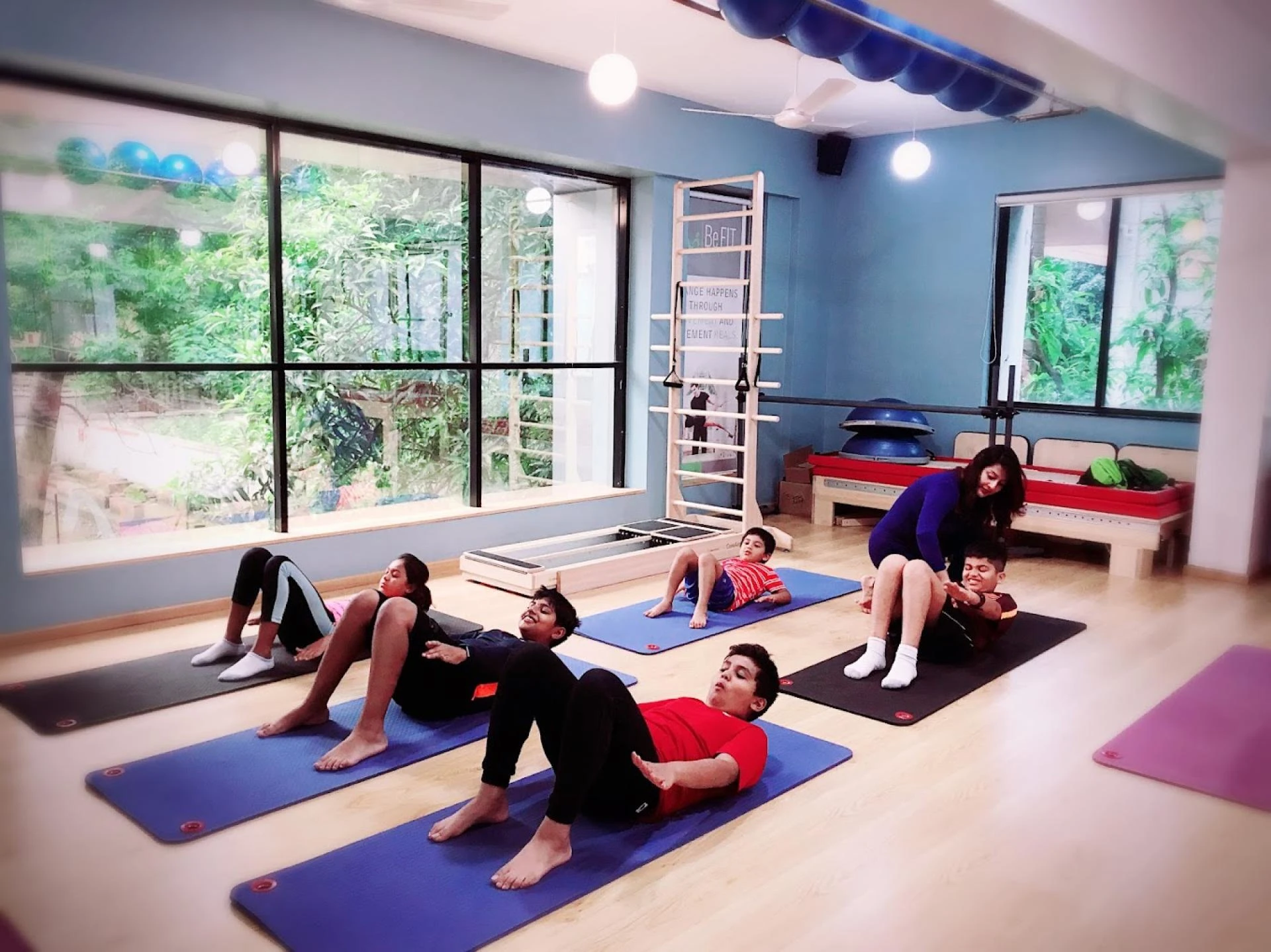
While many Pilates exercises are mat-based and require no equipment, some advanced routines incorporate props like resistance bands, Pilates rings, foam rollers, or even reformers. Beginners can start with a high-quality exercise mat and gradually invest in additional equipment based on course recommendations.
Who Can Benefit?
Online Pilates courses are suitable for:
- Beginners starting a fitness journey
- Seniors seeking low-impact exercise
- Athletes improving core strength
- Office workers relieving posture-related pain
- Post-injury individuals under guidance
- Busy parents or professionals with limited free time
In short, it’s for anyone who wants a more balanced, strong, and aligned body.
Common Mistakes to Avoid
- Skipping warm-ups and cool-downs
- Rushing through movements without proper form
- Ignoring breathing techniques
- Overdoing sessions without adequate rest
- Not progressing mindfully from beginner to advanced levels
Listening to your body and pacing yourself is key in Pilates, especially when learning without a trainer physically present.
Final Thoughts
Online Pilates training courses offer an effective and flexible solution for integrating fitness into your lifestyle. With the right approach, commitment, and guidance, these courses can help transform not just your body but your overall sense of wellness. Whether you're starting fresh or expanding your practice, online Pilates is a sustainable and empowering path to health.