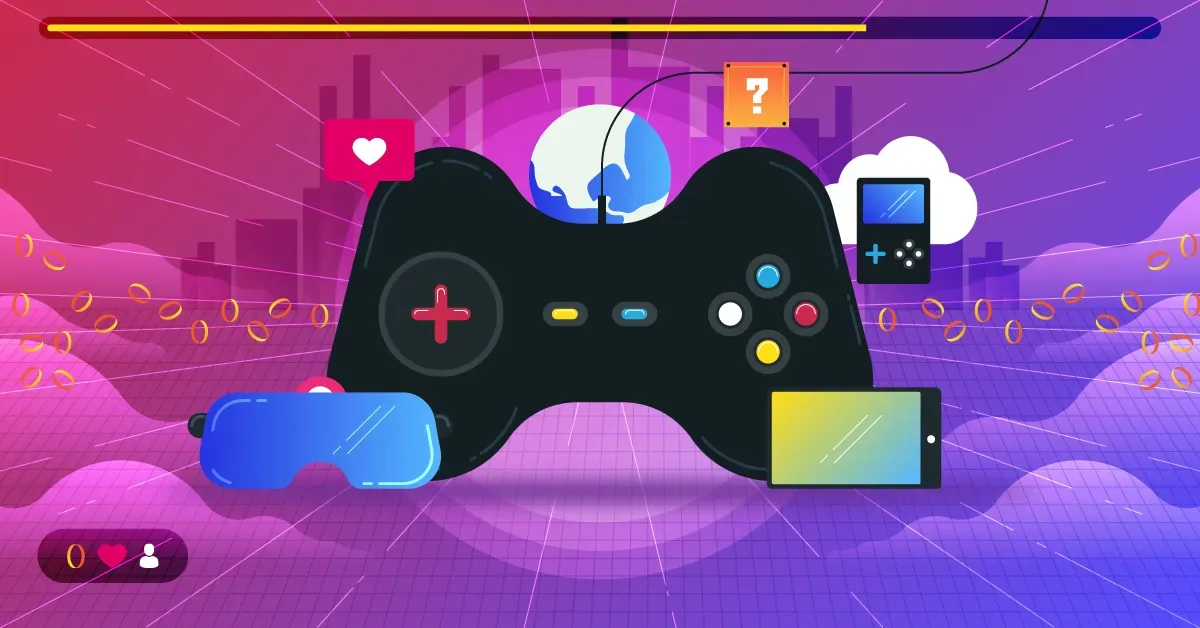
The online gaming industry is changing rapidly as new technologies, platforms, and player preferences continue to shape the way games are created and played. What was once mainly a form of entertainment has become a global digital industry involving gaming, social interaction, live streaming, esports, and content creation. Today, players can enjoy games on smartphones, computers, consoles, and other connected devices.
As technology continues to advance, several important trends are influencing the future of online gaming. Understanding these trends can help players, developers, and gaming enthusiasts see where the industry is heading.
1. The Growth of Mobile Gaming
Mobile gaming remains one of the most important trends in the gaming industry. Smartphones and tablets allow people to play games almost anywhere without needing a dedicated gaming device.
Modern mobile games offer multiplayer features, advanced graphics, competitive modes, and regular updates. As smartphones become more powerful, developers can create increasingly sophisticated gaming experiences for mobile users.
The accessibility of smartphones means that mobile gaming can reach a wide audience, including people who may not own expensive gaming computers or consoles.
2. Cloud Gaming
Cloud gaming is changing how some players access games. Traditionally, demanding games require powerful hardware to run smoothly. Cloud gaming can shift much of the processing to remote servers and stream the gameplay to a compatible device.
This technology could make certain high-quality games more accessible to people with less powerful hardware. However, a fast and stable internet connection remains important for a good experience.
As internet infrastructure improves, cloud gaming may become increasingly common.
3. Artificial Intelligence in Gaming
Artificial intelligence is becoming an increasingly important technology in game development. AI can help create more responsive non-player characters, improve matchmaking, and support the development of game environments.
Future games may also use AI to create more personalized experiences. Game difficulty, challenges, and interactions could potentially adapt to different playing styles.
AI tools may also help developers create content more efficiently, although human creativity and design remain important parts of game development.
4. Virtual and Augmented Reality
Virtual reality and augmented reality are creating new possibilities for interactive gaming.
Virtual reality can place players inside digital environments, while augmented reality adds digital elements to the real world. These technologies can provide experiences that are different from traditional screen-based gaming.
Although VR and AR still face challenges involving equipment cost, accessibility, and comfort, improvements in hardware and software may increase their use in the future.
5. Cross-Platform Gaming
Cross-platform gaming is another important trend. In the past, players using different devices were often separated from one another. Today, some games allow players on computers, consoles, and mobile devices to play together.
Cross-platform features can make multiplayer gaming more convenient and help friends play together even when they own different devices.
As gaming platforms become more connected, cross-platform support may become increasingly expected by players.
6. Growth of Esports
Esports has become a major part of competitive gaming. Professional players and teams compete in organized tournaments that can attract large audiences online.
Streaming technology has made it easier for fans around the world to watch competitions in real time. Esports has also created opportunities for commentators, coaches, event organizers, content creators, and other professionals.
The continued development of competitive gaming is likely to remain an important trend in the industry.
7. Game Streaming and Content Creation
Gaming is no longer limited to playing games. Watching other people play has become a popular form of online entertainment.
Content creators can livestream gameplay, create tutorials, publish reviews, and share gaming-related videos. Social platforms allow creators to build communities and communicate directly with viewers.
This has created new opportunities for people who enjoy gaming but also want to entertain or educate audiences through content.
8. Social and Community-Based Gaming
Many modern games are becoming social platforms as well as entertainment products. Players can communicate with friends, join communities, participate in events, and interact with other users.
Some games include virtual events, social spaces, customization features, and community activities. These features encourage players to spend time in games even when they are not focused on traditional missions or competitions.
9. Better Graphics and Immersive Experiences
Advances in graphics technology are making games increasingly realistic. Modern game engines can create detailed environments, realistic lighting, advanced animations, and large virtual worlds.
Improved graphics are combined with better sound design and interactive systems to create more immersive experiences.
Future games may continue to blur the difference between traditional entertainment and interactive digital experiences.
10. Greater Focus on Online Safety
As gaming becomes more connected, online safety is becoming increasingly important. Players may encounter scams, cyberbullying, inappropriate content, or attempts to obtain personal information.
Game developers and platforms are increasingly focused on privacy settings, reporting systems, account security, and tools designed to create safer communities.
Players should also take responsibility by using strong passwords, protecting personal information, and reporting harmful behavior.
Conclusion
The online gaming industry is evolving through a combination of new technology and changing player expectations. Mobile gaming, cloud gaming, artificial intelligence, virtual reality, cross-platform play, esports, streaming, and social gaming are some of the most important trends shaping the industry.
These developments are making gaming more accessible, connected, interactive, and immersive. At the same time, challenges such as privacy, online safety, excessive gaming, and digital spending need to be considered.
The future of online gaming is likely to involve even greater integration between technology, entertainment, and social interaction. By keeping up with these trends, players can better understand how the gaming world is changing and what new experiences may be available in the years ahead.