

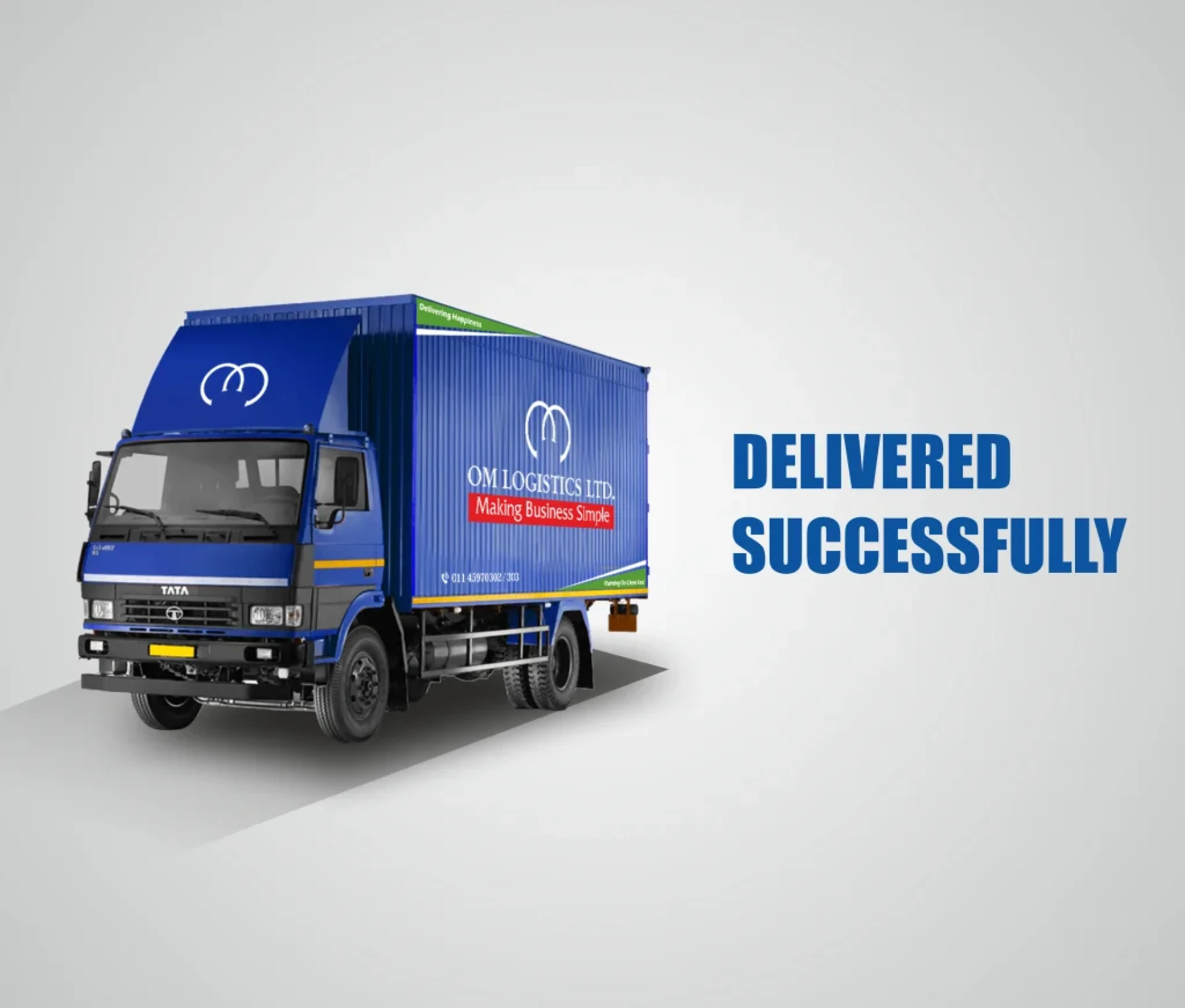
In this age of soaring e-commerce, widening supply chain and international trade integration, India’s logistics sector has emerged as a backbone to the economy. Whether shipping products or operating large distribution centers, these top logistics professionals are the masterminds that keep the nation's economic engine humming.
But with industry growth comes the need for individuals with expert knowledge of how a warehouse operates today, as well as a knack for dealing with supply chain management challenges.
This is exactly where the OM Logistics Warehouse Operations program comes into play – it provides training that is skill-based in a structured format, designed to ensure people are well-prepared for corporate pressures in logistics and warehousing.
Explaining the OM Logistics Warehouse Operations CertificateThe OM Logistics Warehouse Operations Certificate is designed to develop expertise in the key areas of logistics and warehousing.
This course equips students with a balance of theoretical understanding and practical skills. Students are introduced to WMS, order processing, inventory control and dispatch coordination all essentials for the smooth operation of good flow throughout the supply chain.
The program typically covers:
- Basics of warehousing and logistics fundamentals
- Inventory control and stock management
- Documentation and quality checks
- Transportation and distribution planning
- Order fulfillment and customer service
- Safety compliance in the warehouse
When students have finished the certification they not only know how a warehouse is operated, but why each function is important to the whole logistics system," he says.
Why There’s a Surge in Demand for Warehouse Operations Training
Logistics run on warehouses. They are storage, processing and shipment centers that link manufacturers, suppliers, retailers and end consumers.
In India, with the emergence of shopping websites such as Amazon.in, Flipcart and Meesho along with 3PL (Third Party Logistics) providers have greatly amplified the demand for trained warehouse manpower.
India’s warehousing space is reportedly growing at over 15% annually – and with that, the demand for certified operators who can effectively manage full-fledged warehouses, has increased substantially.
The OM Logistics Warehouse Operations Certificate satisfies this need by concentrating on the logistics side of the business. Students are taught current operating procedures and technology including(using),bar code scanning, ERP systems, RFID for tracking and also automation.
Career Outlook After Being Certified
Completing the OM Logistics Warehouse Operations Certificate gives you access to a number of different career paths in logistics, warehousing and supply chain.
Some popular positions you can get into include:
- Warehouse Executive
- Inventory Controller
- Operations Assistant
- Dispatch Officer
- Logistics Coordinator
- Stock Auditor
Industries hiring warehouse-trained professionals include:
- E-commerce and retail
- Manufacturing and distribution
- FMCG and pharmaceuticals
- Freight forwarding and courier companies
- Third-party logistics (3PL) providers
As logistics is becoming more digitalized and automated, employers prefer to hire people with hands on knowledge offered by such certifications.
How the OM Logistics Warehouse Operations Certificate Can Prepare You for a New Job
This certification is strong on practicality. It doesn’t just teach logistic concepts, it shows students how they are applied.
Students are also introduced to a real-world warehouse and partake in supervised training exercises involving the following scenarios:
- Operations of the flow of incoming and outgoing goods
- Coordinating with suppliers and transporters
- Handling documentation and compliance
- Ensuring inventory accuracy
- Maintaining safety and efficiency standards
This organised way of studying makes graduates feel well-prepared and able to quickly settle into roles in industry.
Relevance of logistics Certifications in India on the Rise
The government’s National Logistics Policy (NLP) and schemes such as PM Gati Shakti are creating transport infrastructure, facilitating multimodal logistics, and promoting professional courses.
The shifting dynamics have created a marketplace for trained logistics professionals. As per the Ministry of Skill Development and Entrepreneurship (MSDE) in India, to meet the demand by 2030, the logistics sector will need more than twenty million skilled people.
Getting a credential like the OM Logistics Warehouse Operations Certificate can help them get in at the ground floor of this expansion — with proof that they have real, industry-recognized workforce skills.
What Skills Will I Learn in the OM Logistics Warehouse Operations Certificate?
The programme aims to provide a balance of technical, analytical and commercial (including procurement and supply chain management) skills exigent for its operation.
They usually are trained in:
- Warehouse Planning and Organization
- Understanding of layout design, racking systems and space utilization.
- Inventory Management
- Monitoring, measuring and maintaining optimal inventory levels to minimize waste and expenses.
- Documentation and Compliance
- Logistics and documentation management also related to the compliance of legal requirements.
- Dispatch and Transportation
- Driver scheduling, route optimization and last mile delivery orchestration.
- Technology and Automation
- Streamlining operations with logistics software, scanners and ERP systems.
- Team Management and Communication
- Working good with warehouse employees, suppliers and cutomers.
- Health and Safety Protocols
- Ensuring safe environment for crew and compliance with applicable laws and regulations.
- Graduates are prepared to launch their careers as entry level and mid-level practitioners, with a combined experience of both knowledge-based solution model of operation and practical application.
A Key to Getting Ahead in Your Career: Practicing Growth
The logistics sector is an ever-changing, high-speed environment that requires immediate and data-based decisions. This makes hands-on training the most important aspect of all logistics training.
The OM Logistics Warehouse Operations certificate gives firsthand exposure to warehousing arrangements and actual operational activities. Students do not confine themselves to the theoretical but also engage in practical cases, including order picking or packaging of orders supported by iPad/barcode technology, dispatch preparations and inventory check.
This is an industry advantage for them because companies prefer to hire people who already know their way around the field and safety compliance.
Start a Long-Term Career in Logistics
A career in logistics is about more than just warehouse operations. It unleashes an infinite growth potential in supply chain analytics, procurement implementation, logistics co-ordination and ware-house management services.
Here’s a common career progression for an individual who earns this certification:
- Warehouse Assistant Operations Executive Inventory Manager Logistics Coordinator Warehouse Manager Supply Chain Specialist
- Through learning and exposure, professionals may rise to strategic roles such as Supply Chain Planning or Procurement Managers or could even head a Complete Operations role.
- Logistics jobs, are also comfortable and offer a stable career, attractive salaries and the chance to work with big global companies.
The Future of Warehouse Operations in India
Warehousing in India is getting smarter and tech-driven. The advent of IoT (Internet of Things), Artificial Intelligence (AI) and automation systems has changed the way warehouses function.
Today, digital tracking tells retailers where every item is and how to store it most conveniently and efficiently. Skilled employees who are capable of both manual and digital warehouse management are particularly sought-after.
The OM Logistics Warehouse Operations Certificate - only available at TSiBA - enables learners to acquire this dual skill set by incorporating forward-thinking operational proficiency with digital literacy. That’s why they are future-proof logistics professionals who can embrace new technologies and keep up with evolving logistics trends.
How to Make Certifications Matter More Than Ever
With today’s challenging job market, employers are searching for badges of who has hands on experience. But prospective employees with university degrees are often left searching for a while after they graduate.” Although traditional degrees are extremely important, certifications such as the OM Logistics Warehouse Operations Certificate demonstrate candidates have obtained structured, industry-specific practical experience.
Such certifications are also suitable for professionals working in other sectors who wish to upskill, move into logistics positions or because they want to put industry-specific knowledge on their resumes.
Also, more and more enterprises consider a certified professional an ideal candidate since they get trained less which means that the candidates are job ready.
Conclusion
The OM Logistics Warehouse Operations Certificate is more than just a class — it’s an entry point to a rapidly expanding, high-potential career. It arms students with all the critical skills they need to practise logistics in a real life scenario, from warehousing and despatch through to coordination of supply chain and controlling inventory.
In an economy such as India’s — where high-quality logistics can make or break entire industries, let alone a renewed push for manufacturing and skilling — the professionals trained in warehouse operations are only going to be more sought after.
The certification provides practical experience, while focusing on direct learning and industry relevance that will help fill the skills gap. As a student, whether you are just looking at new prospects or a professional desiring more training, the OM Logistics Warehouse Operations Certificate empowers you with your footing and allows you plant to stick in logistics and supply chain.