If you own, restore, or simply admire a classic Olds, you already know that the magic is in the details. From the chrome trim on a 1940s sedan to the high-compression V8s of the muscle-car era, understanding Oldsmobile Individual Components is the difference between a car that merely runs and a car that feels period-correct, reliable, and genuinely rewarding to drive.
Between 1940 and 1980, Oldsmobile evolved dramatically. The brand moved from pre-war straight-eight engines and simple mechanical systems to sophisticated V8 powerplants, automatic transmissions, power accessories, and early emissions controls. That evolution means sourcing and understanding Oldsmobile Auto/car Parts for these decades requires more than just a generic parts list; it demands a system-by-system breakdown.
This guide walks through the major systems and Oldsmobile Individual Components you’ll encounter on 1940–1980 Olds models, with practical notes for inspection, restoration, and parts sourcing. Along the way, we’ll also point you toward Bop Parts – Oldsmobile Auto/car Parts Dealer Online, a trusted resource for many of the pieces enthusiasts need today.
Why Understanding Oldsmobile Individual Components Matters
Before diving into specific systems, it’s worth being blunt: if you treat a classic Olds like a modern commuter, you will break it, overpay for repairs, or both. These cars were built differently, with materials, tolerances, and engineering standards that predate today’s plug-and-play mentality.
Deep knowledge of Oldsmobile Individual Components gives you:
- Better diagnostics – You can distinguish between normal old-car behavior and genuine failure.
- More accurate restorations – You avoid “universal” parts that sort of fit and instead track down proper Oldsmobile Auto/car Parts that match factory specs.
- Higher long-term value – A car built with correct components will always be more desirable than one patched together with random substitutions.
If you care about authenticity and reliability, you need to understand what’s going on under the sheet metal.
Engine Components: The Heart of Classic Oldsmobiles
From the post-war straight-sixes and straight-eights to the legendary Rocket V8 series, the engine bay is full of crucial Oldsmobile Individual Components that define how the car feels on the road.
1. Short Block and Internal Components
Key engine internals include:
- Engine block
- Crankshaft and main bearings
- Connecting rods and rod bearings
- Pistons and rings
- Camshaft and lifters
- Timing chain or timing gears
Over four decades, Oldsmobile refined metallurgy and tolerances, but one rule is consistent: worn internals translate to low oil pressure, blow-by, and poor performance. When rebuilding, using the right Oldsmobile Auto/car Parts — especially correct-spec pistons, bearings, and cam profiles — is essential if you want original drivability rather than a generic “hot rod” character.
2. Cylinder Heads and Valve Train
In many Oldsmobile engines, head design is a defining feature. Valve sizes, combustion chamber shapes, and port layouts changed over the years. Critical components include:
- Cylinder heads (casting-specific)
- Valves, valve springs, and retainers
- Rocker arms and rocker shafts or studs
- Pushrods
- Head gaskets
Incorrect head gaskets, mismatched heads, or generic valve train parts can cause sealing issues, detonation, or premature wear. This is where specialized suppliers like Bop Parts – Oldsmobile Auto/car Parts Dealer Online become extremely helpful; they understand casting numbers, head variations, and proper gasket sets for your exact year and engine code.
3. Induction and Fuel Components
Pre-EFI Oldsmobiles rely on carburetors and simple fuel systems. Key Oldsmobile Individual Components here include:
- Carburetor (Rochester, Quadrajet, etc.)
- Intake manifold
- Fuel pump (mechanical or later electric add-ons)
- Fuel lines and hard lines
- Fuel tank, filler neck, and sending unit
A worn carburetor, corroded fuel lines, or a failing sending unit turns a classic into a guessing game. Sourcing correct carburetor rebuild kits or replacement units from specialized Oldsmobile Auto/car Parts dealers is far better than forcing a generic carb to do the job.
4. Ignition System Components
From points and condensers to later HEI setups, the ignition system evolved significantly from 1940–1980. Important components include:
- Distributor (points or HEI)
- Ignition coil
- Distributor cap and rotor
- Plug wires
- Spark plugs
For authenticity, many restorers stay with points ignition on earlier models, but even those can benefit from high-quality replacements. Correctly spec’d plugs, wires, and caps — not random parts-store guesses — keep your Oldsmobile Individual Components working together as designed.
Drivetrain Components: Getting Power to the Pavement
Engine power means nothing without a drivetrain that can handle it. Classic Oldsmobiles used manual transmissions, early Hydra-Matic automatics, and later Turbo Hydra-Matic units, plus robust rear axles.
1. Transmission Components
Key transmission-related Oldsmobile Individual Components include:
- Transmission case and internal gear sets
- Input and output shafts
- Clutches, bands, and servos (for automatics)
- Valve body and governor (automatics)
- Torque converter or clutch assembly (manuals use flywheel and clutch)
- Shift linkage and column or floor shifter
Hydra-Matic and Turbo Hydra-Matic transmissions have specific requirements for gaskets, seals, and friction materials. Generic rebuild kits can sometimes work, but the safest path is using dedicated Oldsmobile Auto/car Parts kits that match the exact transmission family and era.
2. Driveshaft and U-Joints
After the transmission, the driveshaft and universal joints transfer torque rearward. Here the important components are:
- Driveshaft tube
- Front and rear U-joints
- Slip yoke
- Center support bearing (on multi-piece shafts)
Old U-joints can seize or introduce vibrations at highway speeds. Replacing them with proper-fit parts, not loosely fitting “close enough” hardware, keeps your car smooth and prevents premature wear on other drivetrain parts.
3. Rear Axle and Differential
Oldsmobiles from this era commonly used robust live rear axles. Components include:
- Axle housing
- Ring and pinion gears
- Differential carrier (open or limited-slip)
- Axle shafts and bearings
- Seals and gaskets
Changing gear ratios or installing a posi unit requires careful setup. That means correct bearings, shims, and seals — another scenario where a knowledgeable supplier like Bop Parts – Oldsmobile Auto/car Parts Dealer Online can steer you toward the right kit for your axle code and model year.
Suspension and Steering: Comfort and Control
Classic Oldsmobiles were known for a comfortable, often soft ride. To preserve that feel — or tighten it up slightly for modern roads — you need to understand the suspension and steering Oldsmobile Individual Components.
1. Front Suspension Components
Typical front suspension parts include:
- Upper and lower control arms
- Control arm bushings
- Ball joints
- Coil springs
- Shock absorbers
- Sway bar, bushings, and end links
Rubber components degrade with age. Replacing bushings and ball joints is not optional on a car that’s several decades old. Using high-quality Oldsmobile Auto/car Parts helps ensure correct geometry and ride height, rather than weird stance and poor alignment.
2. Rear Suspension Components
Depending on the model, rear suspension may use leaf springs or coil springs with trailing arms. Components include:
- Leaf or coil springs
- Shackles and bushings (for leaf springs)
- Trailing arms and bushings (for coil-spring setups)
- Rear shocks
- Sway bar, if equipped
A sagging rear end doesn’t just look wrong; it affects handling and can stress driveline components. Correct-rate springs, sourced specifically as Oldsmobile Individual Components rather than generic “A-body springs,” will keep the car sitting and driving the way Oldsmobile intended.
3. Steering Components
Many 1940–1980 Olds models used recirculating-ball steering boxes with center links and idler arms; power steering became common over time. Key pieces include:
- Steering box
- Pitman arm
- Idler arm
- Center link
- Tie rod ends (inner and outer)
- Steering column and coupler
- Power steering pump, hoses, and steering gear (if equipped)
Old steering boxes can feel vague, but if you replace worn components with proper Oldsmobile Auto/car Parts and carefully adjust the box, you can restore solid, confident steering — without resorting to wholesale modern swaps.
Brake System Components: Stopping a Heavy Classic Safely
Many Oldsmobiles transitioned from four-wheel drums to front disc brakes during the 1960s and 1970s. Either way, the braking system is full of critical Oldsmobile Individual Components that should never be neglected.
1. Hydraulic Components
Core brake hydraulics include:
- Master cylinder
- Wheel cylinders (for drums)
- Calipers (for discs)
- Flexible rubber brake hoses
- Steel hard lines
- Proportioning or distribution valves
Given the age of these vehicles, any original rubber hoses or wheel cylinders are suspect. Replacing them with quality Oldsmobile Auto/car Parts improves safety instantly and helps maintain proper pedal feel.
2. Friction and Rotating Components
Stopping power depends on:
- Brake shoes (drum)
- Brake pads (disc)
- Drums or rotors
- Hardware kits (springs, retainers, clips)
Cheap pads and shoes can glaze or fade quickly. Using correct friction formulations designed for heavy, full-size cars is much smarter than grabbing the cheapest option.
Electrical and Charging Components: Keeping the Lights On
The electrical systems on 1940–1980 Oldsmobiles are simpler than modern multiplexed networks, but they still rely on many interconnected Oldsmobile Individual Components.
1. Charging and Starting System
Critical components:
- Alternator (or earlier generator)
- Voltage regulator (on older systems)
- Starter motor and solenoid
- Battery and cables
Under-spec, generic parts can fail prematurely. A properly spec’d alternator and starter — selected from a specialized catalog of Oldsmobile Auto/car Parts — will better handle period-correct loads, especially if you’ve added accessories like modern audio or extra lighting.
2. Lighting and Interior Electrical
Oldsmobiles feature numerous electrical subsystems, including:
- Headlights, tail lights, and turn signals
- Dash cluster, gauges, and bulbs
- Heater and blower motor
- Power windows and locks (on later, upscale trims)
- Radio and antenna
Wiring harnesses get brittle with age. When restoring, you may need individual connectors, switch assemblies, or even full replacement harnesses. Again, it’s wise to rely on suppliers who understand Oldsmobile Individual Components at the connector and plug level, not only at the “universal wiring kit” level.
Body and Trim Components: What You See First
Many enthusiasts underestimate how complex body and trim Oldsmobile Individual Components can be. Unfortunately, body parts are often the hardest to find, especially rust-prone areas for 1940s–1960s models.
1. Sheet Metal and Structural Parts
Core body components include:
- Fenders and quarter panels
- Rocker panels
- Floor pans and trunk pans
- Core support and inner fenders
- Door shells and skins
Reproduction options exist for some popular models, but others require patch panels or donor parts. Fitting these pieces correctly means understanding original spot-weld locations, seam lines, and bracing — details that can’t be faked with random sheet metal.
2. Exterior Trim and Brightwork
Oldsmobile made heavy use of chrome and stainless trim:
- Bumpers and bumper brackets
- Grilles and bezels
- Side moldings
- Emblems and badges
- Mirror assemblies
These parts define the character of each model year. When you source Oldsmobile Auto/car Parts like emblems and moldings from repro or NOS suppliers, look for correct fonts, plating quality, and mounting clip styles. Cheap, incorrect trim stands out immediately.
3. Glass and Weatherstripping
Water leaks and wind noise are common with hardened seals. Important components:
- Windshield and back glass
- Side glass and vent windows (on older models)
- Window felts and channels
- Door weatherstripping
- Trunk seals
Modern reproduction weatherstripping, correctly shaped for Oldsmobile doors and openings, can dramatically improve comfort and reduce corrosion.
Interior Components: Where You Spend Your Time
A classic Olds may look great from the outside, but if the interior is tired, the driving experience suffers. Inside the cabin, many Oldsmobile Individual Components work together to create that period feel.
1. Seats and Upholstery
Key elements:
- Seat frames and tracks
- Seat foam and springs
- Upholstery covers (vinyl, cloth, leather)
- Headrests and armrests
Correct patterns and materials are important for authenticity. Many dedicated suppliers reproduce factory-style upholstery kits specifically as Oldsmobile Auto/car Parts, matched to trim codes.
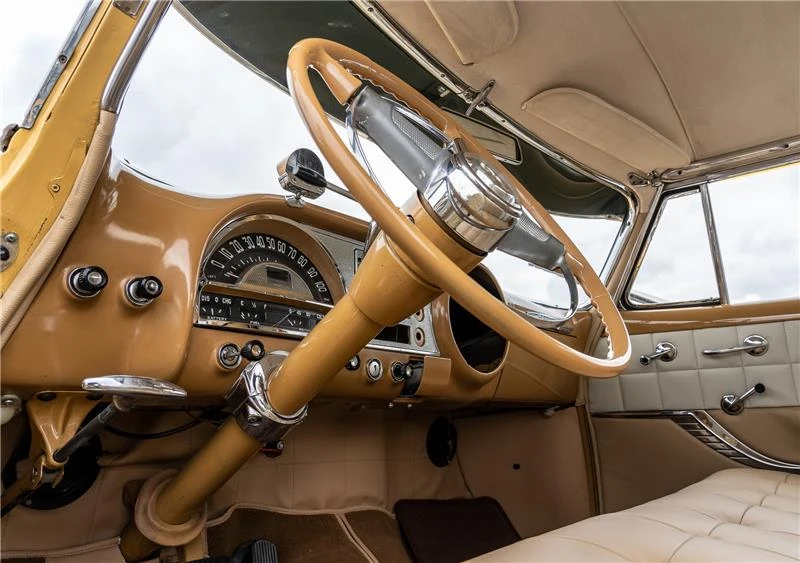
2. Dash, Console, and Controls
Interior components also include:
- Dash pad and gauge cluster
- Switchgear (lights, wipers, hazards)
- Heater and A/C control panel
- Center console and shifter surround (if equipped)
- Steering wheel and horn pad
Dash pads often crack, and original plastics fade or become brittle. Reproduction dash pads, bezels, and knobs selected from Oldsmobile Individual Components catalogs can bring the cockpit back to life without resorting to ill-fitting universal pieces.
3. Carpet and Headliner
Finally, we have soft trim:
- Molded or cut-and-sewn carpet
- Sound deadening underlayment
- Headliner and bows
- Sun visors
These items affect sound levels and perceived quality. Year-specific carpet kits and headliners are widely available through Oldsmobile Auto/car Parts specialists and are worth the investment.
Emissions and Smog Components: Late-Era Complexity
By the 1970s, emissions regulations introduced additional Oldsmobile Individual Components that restorers must understand and often retain, especially in areas with inspections.
Common pieces include:
- EGR valves and associated passages
- Air injection pumps and check valves
- Charcoal canisters and vapor lines
- PCV valves and hoses
Removing or bypassing these systems thoughtlessly can cause drivability issues and may be illegal depending on your region. Whenever possible, use replacement components that preserve original operation while still being serviceable with modern fuels.
Where to Source Oldsmobile Individual Components (Without Losing Your Mind)
Let’s be honest: you can waste huge amounts of time hunting through online marketplaces, mis-categorized listings, and generic part numbers that don’t quite fit your year, model, or engine.
To avoid that, work with a dedicated supplier that actually focuses on Oldsmobile Auto/car Parts. This is where Bop Parts – Oldsmobile Auto/car Parts Dealer Online comes into the picture. They cater specifically to Buick, Oldsmobile, and Pontiac platforms, which means:
- Their catalogs are organized by platform, year range, and system.
- They understand casting numbers, trim codes, and common interchanges.
- You can actually talk in terms of Oldsmobile Individual Components — not just generic “GM” or “A-body” parts.
Working with a focused vendor reduces incorrect orders and ensures the parts you receive are suitable for your specific 1940–1980 Olds, whether you’re restoring a 1950s sedan, a ‘60s Cutlass, or a ‘70s performance model.
Practical Tips for Planning a Component-By-Component Restoration
Knowing what the Oldsmobile Individual Components are is only half the battle. You also need a strategy for tackling them in an organized way.
1. Start with a System Checklist
Break the car down by major systems:
- Engine and fuel
- Transmission and driveline
- Brakes
- Suspension and steering
- Electrical and charging
- Body and trim
- Interior
For each system, list the Oldsmobile Auto/car Parts you know are worn, missing, or suspect. Then, rank them by safety and drivability. Brakes and steering outrank cosmetics every time.
2. Inspect, Don’t Guess
Before you buy a mountain of parts, inspect each component:
- Measure wear where possible (e.g., rotor thickness, drum diameter, bearing play).
- Look for dry rot on bushings and hoses.
- Check wiring for brittle insulation and broken connectors.
- Examine body seams and floors for hidden rust.
This inspection will refine your list of Oldsmobile Individual Components that actually need replacement instead of blindly swapping everything.
3. Source in Logical Kits
Where it makes sense, buy system kits:
- Complete brake rebuild kits
- Suspension and steering rebuild packages
- Engine gasket and seal sets
These kits, especially when sourced from Oldsmobile Auto/car Parts specialists, ensure compatibility between components and can be more cost-effective than piecing things together individually.
4. Document Everything
As you work, keep records:
- Part numbers (original and replacement)
- Torque specs and clearances
- Before-and-after measurements
- Photos of routing and sequence
This documentation turns your car into a better long-term investment and makes future work on the same Oldsmobile Individual Components far easier — for you or the next owner.
Balancing Authenticity and Upgrades
Many owners grapple with the question: how “original” should a 1940–1980 Oldsmobile be? Absolute purists insist on factory-spec Oldsmobile Individual Components everywhere; others are comfortable with upgrades where they improve safety or reliability without ruining the car’s character.
Reasonable upgrades often include:
- Dual-circuit master cylinders on earlier single-circuit cars
- Modern radial tires in correct-looking sizes
- Subtle suspension bushing upgrades for better control
- Electronic ignition hidden inside a stock-looking distributor
The key is to choose Oldsmobile Auto/car Parts and compatible aftermarket components that respect the car’s original design language. For example, a tasteful disc brake conversion designed specifically for your Olds model is preferable to a random kit adapted with drilling and grinding.
Final Thoughts: Building a Cohesive, Reliable Classic Oldsmobile
Restoring or maintaining a 1940–1980 Olds isn’t about throwing random parts at a problem. It’s about understanding how every system — and every little part within it — contributes to the car’s behavior, appearance, and value.
When you thoroughly learn your Oldsmobile Individual Components, you gain:
- Confidence to troubleshoot problems logically
- The ability to choose correct, long-lasting Oldsmobile Auto/car Parts
- A more enjoyable, trustworthy classic that you can actually drive
Instead of settling for universal catalog guesses, work with specialized suppliers such as Bop Parts – Oldsmobile Auto/car Parts Dealer Online, create a system-by-system plan, and prioritize safety-critical components first. Over time, you’ll bring each major subsystem up to standard using properly matched Oldsmobile Individual Components, from the crankshaft and carburetor right down to the last emblem and weatherstrip.
Do that, and you won’t just own an old car. You’ll own a well-sorted, coherent Oldsmobile that feels exactly like it should — a true piece of automotive history made whole again, one carefully chosen component at a time.
If you own, restore, or simply admire a classic Olds, you already know that the magic is in the details. From the chrome trim on a 1940s sedan to the high-compression V8s of the muscle-car era, understanding Oldsmobile Individual Components is the difference between a car that merely runs and a car that feels period-correct, reliable, and genuinely rewarding to drive.
Between 1940 and 1980, Oldsmobile evolved dramatically. The brand moved from pre-war straight-eight engines and simple mechanical systems to sophisticated V8 powerplants, automatic transmissions, power accessories, and early emissions controls. That evolution means sourcing and understanding Oldsmobile Auto/car Parts for these decades requires more than just a generic parts list; it demands a system-by-system breakdown.
This guide walks through the major systems and Oldsmobile Individual Components you’ll encounter on 1940–1980 Olds models, with practical notes for inspection, restoration, and parts sourcing. Along the way, we’ll also point you toward Bop Parts – Oldsmobile Auto/car Parts Dealer Online, a trusted resource for many of the pieces enthusiasts need today.
Why Understanding Oldsmobile Individual Components Matters
Before diving into specific systems, it’s worth being blunt: if you treat a classic Olds like a modern commuter, you will break it, overpay for repairs, or both. These cars were built differently, with materials, tolerances, and engineering standards that predate today’s plug-and-play mentality.
Deep knowledge of Oldsmobile Individual Components gives you:
- Better diagnostics – You can distinguish between normal old-car behavior and genuine failure.
- More accurate restorations – You avoid “universal” parts that sort of fit and instead track down proper Oldsmobile Auto/car Parts that match factory specs.
- Higher long-term value – A car built with correct components will always be more desirable than one patched together with random substitutions.
If you care about authenticity and reliability, you need to understand what’s going on under the sheet metal.
Engine Components: The Heart of Classic Oldsmobiles
From the post-war straight-sixes and straight-eights to the legendary Rocket V8 series, the engine bay is full of crucial Oldsmobile Individual Components that define how the car feels on the road.
1. Short Block and Internal Components
Key engine internals include:
- Engine block
- Crankshaft and main bearings
- Connecting rods and rod bearings
- Pistons and rings
- Camshaft and lifters
- Timing chain or timing gears
Over four decades, Oldsmobile refined metallurgy and tolerances, but one rule is consistent: worn internals translate to low oil pressure, blow-by, and poor performance. When rebuilding, using the right Oldsmobile Auto/car Parts — especially correct-spec pistons, bearings, and cam profiles — is essential if you want original drivability rather than a generic “hot rod” character.
2. Cylinder Heads and Valve Train
In many Oldsmobile engines, head design is a defining feature. Valve sizes, combustion chamber shapes, and port layouts changed over the years. Critical components include:
- Cylinder heads (casting-specific)
- Valves, valve springs, and retainers
- Rocker arms and rocker shafts or studs
- Pushrods
- Head gaskets
Incorrect head gaskets, mismatched heads, or generic valve train parts can cause sealing issues, detonation, or premature wear. This is where specialized suppliers like Bop Parts – Oldsmobile Auto/car Parts Dealer Online become extremely helpful; they understand casting numbers, head variations, and proper gasket sets for your exact year and engine code.
3. Induction and Fuel Components
Pre-EFI Oldsmobiles rely on carburetors and simple fuel systems. Key Oldsmobile Individual Components here include:
- Carburetor (Rochester, Quadrajet, etc.)
- Intake manifold
- Fuel pump (mechanical or later electric add-ons)
- Fuel lines and hard lines
- Fuel tank, filler neck, and sending unit
A worn carburetor, corroded fuel lines, or a failing sending unit turns a classic into a guessing game. Sourcing correct carburetor rebuild kits or replacement units from specialized Oldsmobile Auto/car Parts dealers is far better than forcing a generic carb to do the job.
4. Ignition System Components
From points and condensers to later HEI setups, the ignition system evolved significantly from 1940–1980. Important components include:
- Distributor (points or HEI)
- Ignition coil
- Distributor cap and rotor
- Plug wires
- Spark plugs
For authenticity, many restorers stay with points ignition on earlier models, but even those can benefit from high-quality replacements. Correctly spec’d plugs, wires, and caps — not random parts-store guesses — keep your Oldsmobile Individual Components working together as designed.
Drivetrain Components: Getting Power to the Pavement
Engine power means nothing without a drivetrain that can handle it. Classic Oldsmobiles used manual transmissions, early Hydra-Matic automatics, and later Turbo Hydra-Matic units, plus robust rear axles.
1. Transmission Components
Key transmission-related Oldsmobile Individual Components include:
- Transmission case and internal gear sets
- Input and output shafts
- Clutches, bands, and servos (for automatics)
- Valve body and governor (automatics)
- Torque converter or clutch assembly (manuals use flywheel and clutch)
- Shift linkage and column or floor shifter
Hydra-Matic and Turbo Hydra-Matic transmissions have specific requirements for gaskets, seals, and friction materials. Generic rebuild kits can sometimes work, but the safest path is using dedicated Oldsmobile Auto/car Parts kits that match the exact transmission family and era.
2. Driveshaft and U-Joints
After the transmission, the driveshaft and universal joints transfer torque rearward. Here the important components are:
- Driveshaft tube
- Front and rear U-joints
- Slip yoke
- Center support bearing (on multi-piece shafts)
Old U-joints can seize or introduce vibrations at highway speeds. Replacing them with proper-fit parts, not loosely fitting “close enough” hardware, keeps your car smooth and prevents premature wear on other drivetrain parts.
3. Rear Axle and Differential
Oldsmobiles from this era commonly used robust live rear axles. Components include:
- Axle housing
- Ring and pinion gears
- Differential carrier (open or limited-slip)
- Axle shafts and bearings
- Seals and gaskets
Changing gear ratios or installing a posi unit requires careful setup. That means correct bearings, shims, and seals — another scenario where a knowledgeable supplier like Bop Parts – Oldsmobile Auto/car Parts Dealer Online can steer you toward the right kit for your axle code and model year.
Suspension and Steering: Comfort and Control
Classic Oldsmobiles were known for a comfortable, often soft ride. To preserve that feel — or tighten it up slightly for modern roads — you need to understand the suspension and steering Oldsmobile Individual Components.
1. Front Suspension Components
Typical front suspension parts include:
- Upper and lower control arms
- Control arm bushings
- Ball joints
- Coil springs
- Shock absorbers
- Sway bar, bushings, and end links
Rubber components degrade with age. Replacing bushings and ball joints is not optional on a car that’s several decades old. Using high-quality Oldsmobile Auto/car Parts helps ensure correct geometry and ride height, rather than weird stance and poor alignment.
2. Rear Suspension Components
Depending on the model, rear suspension may use leaf springs or coil springs with trailing arms. Components include:
- Leaf or coil springs
- Shackles and bushings (for leaf springs)
- Trailing arms and bushings (for coil-spring setups)
- Rear shocks
- Sway bar, if equipped
A sagging rear end doesn’t just look wrong; it affects handling and can stress driveline components. Correct-rate springs, sourced specifically as Oldsmobile Individual Components rather than generic “A-body springs,” will keep the car sitting and driving the way Oldsmobile intended.
3. Steering Components
Many 1940–1980 Olds models used recirculating-ball steering boxes with center links and idler arms; power steering became common over time. Key pieces include:
- Steering box
- Pitman arm
- Idler arm
- Center link
- Tie rod ends (inner and outer)
- Steering column and coupler
- Power steering pump, hoses, and steering gear (if equipped)
Old steering boxes can feel vague, but if you replace worn components with proper Oldsmobile Auto/car Parts and carefully adjust the box, you can restore solid, confident steering — without resorting to wholesale modern swaps.
Brake System Components: Stopping a Heavy Classic Safely
Many Oldsmobiles transitioned from four-wheel drums to front disc brakes during the 1960s and 1970s. Either way, the braking system is full of critical Oldsmobile Individual Components that should never be neglected.
1. Hydraulic Components
Core brake hydraulics include:
- Master cylinder
- Wheel cylinders (for drums)
- Calipers (for discs)
- Flexible rubber brake hoses
- Steel hard lines
- Proportioning or distribution valves
Given the age of these vehicles, any original rubber hoses or wheel cylinders are suspect. Replacing them with quality Oldsmobile Auto/car Parts improves safety instantly and helps maintain proper pedal feel.
2. Friction and Rotating Components
Stopping power depends on:
- Brake shoes (drum)
- Brake pads (disc)
- Drums or rotors
- Hardware kits (springs, retainers, clips)
Cheap pads and shoes can glaze or fade quickly. Using correct friction formulations designed for heavy, full-size cars is much smarter than grabbing the cheapest option.
Electrical and Charging Components: Keeping the Lights On
The electrical systems on 1940–1980 Oldsmobiles are simpler than modern multiplexed networks, but they still rely on many interconnected Oldsmobile Individual Components.
1. Charging and Starting System
Critical components:
- Alternator (or earlier generator)
- Voltage regulator (on older systems)
- Starter motor and solenoid
- Battery and cables
Under-spec, generic parts can fail prematurely. A properly spec’d alternator and starter — selected from a specialized catalog of Oldsmobile Auto/car Parts — will better handle period-correct loads, especially if you’ve added accessories like modern audio or extra lighting.
2. Lighting and Interior Electrical
Oldsmobiles feature numerous electrical subsystems, including:
- Headlights, tail lights, and turn signals
- Dash cluster, gauges, and bulbs
- Heater and blower motor
- Power windows and locks (on later, upscale trims)
- Radio and antenna
Wiring harnesses get brittle with age. When restoring, you may need individual connectors, switch assemblies, or even full replacement harnesses. Again, it’s wise to rely on suppliers who understand Oldsmobile Individual Components at the connector and plug level, not only at the “universal wiring kit” level.
Body and Trim Components: What You See First
Many enthusiasts underestimate how complex body and trim Oldsmobile Individual Components can be. Unfortunately, body parts are often the hardest to find, especially rust-prone areas for 1940s–1960s models.
1. Sheet Metal and Structural Parts
Core body components include:
- Fenders and quarter panels
- Rocker panels
- Floor pans and trunk pans
- Core support and inner fenders
- Door shells and skins
Reproduction options exist for some popular models, but others require patch panels or donor parts. Fitting these pieces correctly means understanding original spot-weld locations, seam lines, and bracing — details that can’t be faked with random sheet metal.
2. Exterior Trim and Brightwork
Oldsmobile made heavy use of chrome and stainless trim:
- Bumpers and bumper brackets
- Grilles and bezels
- Side moldings
- Emblems and badges
- Mirror assemblies
These parts define the character of each model year. When you source Oldsmobile Auto/car Parts like emblems and moldings from repro or NOS suppliers, look for correct fonts, plating quality, and mounting clip styles. Cheap, incorrect trim stands out immediately.
3. Glass and Weatherstripping
Water leaks and wind noise are common with hardened seals. Important components:
- Windshield and back glass
- Side glass and vent windows (on older models)
- Window felts and channels
- Door weatherstripping
- Trunk seals
Modern reproduction weatherstripping, correctly shaped for Oldsmobile doors and openings, can dramatically improve comfort and reduce corrosion.
Interior Components: Where You Spend Your Time
A classic Olds may look great from the outside, but if the interior is tired, the driving experience suffers. Inside the cabin, many Oldsmobile Individual Components work together to create that period feel.
1. Seats and Upholstery
Key elements:
- Seat frames and tracks
- Seat foam and springs
- Upholstery covers (vinyl, cloth, leather)
- Headrests and armrests
Correct patterns and materials are important for authenticity. Many dedicated suppliers reproduce factory-style upholstery kits specifically as Oldsmobile Auto/car Parts, matched to trim codes.
2. Dash, Console, and Controls
Interior components also include:
- Dash pad and gauge cluster
- Switchgear (lights, wipers, hazards)
- Heater and A/C control panel
- Center console and shifter surround (if equipped)
- Steering wheel and horn pad
Dash pads often crack, and original plastics fade or become brittle. Reproduction dash pads, bezels, and knobs selected from Oldsmobile Individual Components catalogs can bring the cockpit back to life without resorting to ill-fitting universal pieces.
3. Carpet and Headliner
Finally, we have soft trim:
- Molded or cut-and-sewn carpet
- Sound deadening underlayment
- Headliner and bows
- Sun visors
These items affect sound levels and perceived quality. Year-specific carpet kits and headliners are widely available through Oldsmobile Auto/car Parts specialists and are worth the investment.
Emissions and Smog Components: Late-Era Complexity
By the 1970s, emissions regulations introduced additional Oldsmobile Individual Components that restorers must understand and often retain, especially in areas with inspections.
Common pieces include:
- EGR valves and associated passages
- Air injection pumps and check valves
- Charcoal canisters and vapor lines
- PCV valves and hoses
Removing or bypassing these systems thoughtlessly can cause drivability issues and may be illegal depending on your region. Whenever possible, use replacement components that preserve original operation while still being serviceable with modern fuels.
Where to Source Oldsmobile Individual Components (Without Losing Your Mind)
Let’s be honest: you can waste huge amounts of time hunting through online marketplaces, mis-categorized listings, and generic part numbers that don’t quite fit your year, model, or engine.
To avoid that, work with a dedicated supplier that actually focuses on Oldsmobile Auto/car Parts. This is where Bop Parts – Oldsmobile Auto/car Parts Dealer Online comes into the picture. They cater specifically to Buick, Oldsmobile, and Pontiac platforms, which means:
- Their catalogs are organized by platform, year range, and system.
- They understand casting numbers, trim codes, and common interchanges.
- You can actually talk in terms of Oldsmobile Individual Components — not just generic “GM” or “A-body” parts.
Working with a focused vendor reduces incorrect orders and ensures the parts you receive are suitable for your specific 1940–1980 Olds, whether you’re restoring a 1950s sedan, a ‘60s Cutlass, or a ‘70s performance model.
Practical Tips for Planning a Component-By-Component Restoration
Knowing what the Oldsmobile Individual Components are is only half the battle. You also need a strategy for tackling them in an organized way.
1. Start with a System Checklist
Break the car down by major systems:
- Engine and fuel
- Transmission and driveline
- Brakes
- Suspension and steering
- Electrical and charging
- Body and trim
- Interior
For each system, list the Oldsmobile Auto/car Parts you know are worn, missing, or suspect. Then, rank them by safety and drivability. Brakes and steering outrank cosmetics every time.
2. Inspect, Don’t Guess
Before you buy a mountain of parts, inspect each component:
- Measure wear where possible (e.g., rotor thickness, drum diameter, bearing play).
- Look for dry rot on bushings and hoses.
- Check wiring for brittle insulation and broken connectors.
- Examine body seams and floors for hidden rust.
This inspection will refine your list of Oldsmobile Individual Components that actually need replacement instead of blindly swapping everything.
3. Source in Logical Kits
Where it makes sense, buy system kits:
- Complete brake rebuild kits
- Suspension and steering rebuild packages
- Engine gasket and seal sets
These kits, especially when sourced from Oldsmobile Auto/car Parts specialists, ensure compatibility between components and can be more cost-effective than piecing things together individually.
4. Document Everything
As you work, keep records:
- Part numbers (original and replacement)
- Torque specs and clearances
- Before-and-after measurements
- Photos of routing and sequence
This documentation turns your car into a better long-term investment and makes future work on the same Oldsmobile Individual Components far easier — for you or the next owner.
Balancing Authenticity and Upgrades
Many owners grapple with the question: how “original” should a 1940–1980 Oldsmobile be? Absolute purists insist on factory-spec Oldsmobile Individual Components everywhere; others are comfortable with upgrades where they improve safety or reliability without ruining the car’s character.
Reasonable upgrades often include:
- Dual-circuit master cylinders on earlier single-circuit cars
- Modern radial tires in correct-looking sizes
- Subtle suspension bushing upgrades for better control
- Electronic ignition hidden inside a stock-looking distributor
The key is to choose Oldsmobile Auto/car Parts and compatible aftermarket components that respect the car’s original design language. For example, a tasteful disc brake conversion designed specifically for your Olds model is preferable to a random kit adapted with drilling and grinding.
Final Thoughts: Building a Cohesive, Reliable Classic Oldsmobile
Restoring or maintaining a 1940–1980 Olds isn’t about throwing random parts at a problem. It’s about understanding how every system — and every little part within it — contributes to the car’s behavior, appearance, and value.
When you thoroughly learn your Oldsmobile Individual Components, you gain:
- Confidence to troubleshoot problems logically
- The ability to choose correct, long-lasting Oldsmobile Auto/car Parts
- A more enjoyable, trustworthy classic that you can actually drive
Instead of settling for universal catalog guesses, work with specialized suppliers such as Bop Parts – Oldsmobile Auto/car Parts Dealer Online, create a system-by-system plan, and prioritize safety-critical components first. Over time, you’ll bring each major subsystem up to standard using properly matched Oldsmobile Individual Components, from the crankshaft and carburetor right down to the last emblem and weatherstrip.
Do that, and you won’t just own an old car. You’ll own a well-sorted, coherent Oldsmobile that feels exactly like it should — a true piece of automotive history made whole again, one carefully chosen component at a time.