Finding an old age home contact number or identifying an old age home near me for donation often becomes important when families, individuals, or organizations want to support senior citizens in need. Whether the intention is to seek information, offer help, or contribute resources, understanding how old age homes function and how to approach them responsibly is essential.
Understanding the Role of Old Age Homes
Old age homes are residential facilities designed to support senior citizens who may lack family care, financial stability, or physical ability to live independently. These homes focus on providing shelter, food, healthcare access, emotional support, and a sense of community. In India, the demand for such facilities has increased due to urbanization, migration, and changes in family structures.
Why Contacting Old Age Homes Matters
Having direct contact details allows individuals to communicate effectively with administrators or caretakers. This communication is necessary to understand the needs of residents, operational requirements, and acceptable forms of support. Contacting an old age home also helps clarify visiting protocols, donation guidelines, and compliance with legal or safety norms.
How to Locate Old Age Homes in Your Area
There are several practical ways to identify old age homes near your location:
- Local directories and municipal records often list registered care facilities.
- Online search platforms can provide location-based results with basic details.
- Social welfare offices may maintain updated records of senior care institutions.
- Community groups and NGOs frequently collaborate with such homes and can guide you.
Once identified, it is advisable to verify the legitimacy and registration status of the home before proceeding.
What Information to Ask When You Make Contact
When reaching out, it is important to ask relevant and respectful questions. Typical information includes:
- The number of residents and their age groups
- Types of services provided (medical care, meals, recreation)
- Current needs or shortages
- Accepted forms of donation
- Visiting hours and rules
Clear communication ensures that any assistance provided is genuinely useful.
Types of Donations Old Age Homes Commonly Accept
Donations are not limited to money. Many old age homes welcome support in various forms, depending on their requirements:
- Food supplies such as grains, fruits, and cooked meals
- Medical support including medicines, mobility aids, and health check-ups
- Daily essentials like clothing, blankets, toiletries, and bedding
- Skill-based support such as volunteering time, organizing activities, or offering professional services
Before donating, always confirm what is needed to avoid waste or inconvenience.
Ensuring Ethical and Effective Contributions
Responsible donation involves more than goodwill. Consider the following best practices:
- Donate only to verified and transparent institutions
- Request receipts or acknowledgment for records
- Avoid unplanned visits that may disrupt residents
- Respect the dignity and privacy of senior citizens
Ethical contributions help maintain trust and ensure long-term impact.
Legal and Regulatory Considerations
In India, old age homes are generally governed by social welfare regulations and may be registered under trusts, societies, or government schemes. Understanding basic compliance, such as registration under relevant acts and adherence to care standards, adds credibility to your support efforts.
The Social Impact of Supporting Old Age Homes
Supporting old age homes contributes to broader social welfare by improving the quality of life for senior citizens. It also promotes awareness about elderly care, encourages community participation, and helps address gaps in social security systems. Even small, consistent contributions can create meaningful change.
Conclusion
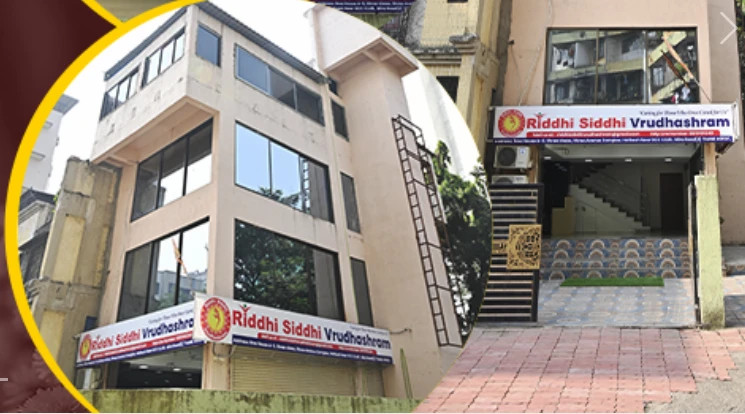
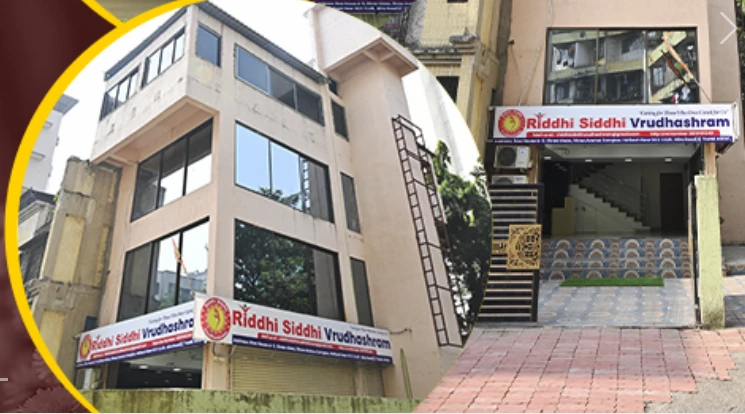
Locating and contacting old age homes like Riddhi Siddhi Vrudhashram is an important step toward supporting the elderly population with care and dignity. By taking a structured, informed, and ethical approach, individuals and groups can ensure their efforts lead to real, positive outcomes. Thoughtful engagement not only benefits residents but also strengthens social responsibility within the community.