
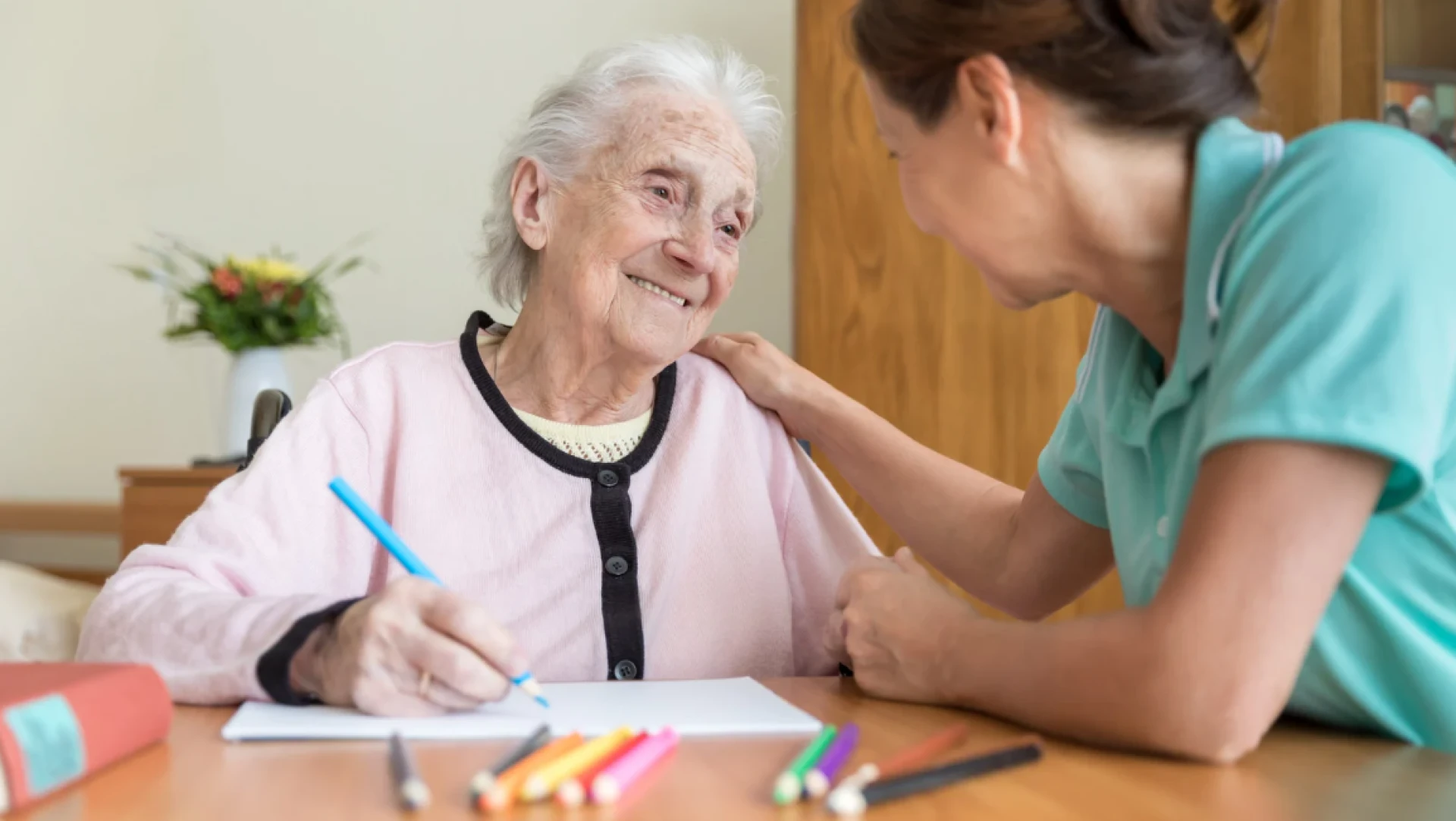
As people age, maintaining independence becomes both a priority and a challenge. Seniors living alone often face daily tasks that were once simple — cooking, bathing, managing medications, or even moving safely around the home. For many families, concerns about falls, cognitive decline, and overall safety can create stress. Occupational therapy (OT) offers practical solutions that help seniors maintain independence, improve daily functioning, and reduce risks associated with living alone.
Occupational therapy is a specialized form of rehabilitation that focuses on enabling people to perform meaningful activities safely and efficiently. For seniors, this often includes home modifications, adaptive strategies, and personalized exercises. It is not about doing tasks for the senior but empowering them to do tasks safely on their own, preserving both autonomy and dignity.
Occupational Therapy for Seniors
Occupational therapy is more than just physical support. It addresses the physical, cognitive, and emotional aspects of daily living. For seniors, OT can help manage chronic conditions, prevent falls, and improve quality of life.
Key areas OT focuses on include:
- Activities of Daily Living (ADLs) – bathing, dressing, grooming, meal preparation.
- Instrumental Activities of Daily Living (IADLs) – managing finances, using transportation, shopping, taking medications.
- Cognitive and Sensory Skills – memory, attention, problem-solving, vision, and coordination.
- Environmental Adaptation – adjusting the home to reduce hazards and improve accessibility.
Occupational therapists assess each senior individually, identifying challenges and recommending solutions tailored to their physical abilities, cognitive skills, and living environment.
Why Seniors Living Alone Benefit From OT
Living alone presents unique challenges for older adults:
- Fall risk increases due to balance issues, muscle weakness, or cluttered environments.
- Cognitive changes may affect memory, planning, or decision-making.
- Daily routines can become overwhelming without support, leading to frustration or neglect of basic needs.
Occupational therapy addresses these issues by teaching safe movement, providing adaptive tools, and creating structured routines. This proactive approach helps seniors continue living independently rather than moving to assisted living prematurely.
The Initial Occupational Therapy Assessment
When a senior begins OT, the first step is a comprehensive assessment. The professional occupational therapist evaluates:
- Mobility and strength
- Balance and fall risk
- Ability to perform ADLs and IADLs
- Cognitive function and memory
- Home environment and safety hazards
This evaluation allows the therapist to develop a personalized plan that targets the senior’s specific needs and goals. Families are often included in the assessment to provide insights and learn supportive strategies.
Home Modifications to Promote Safety and Independence
One of the most practical aspects of OT is home modification recommendations. Simple changes can prevent falls, reduce frustration, and make everyday tasks more manageable.
Examples include:
- Installing grab bars in bathrooms and near stairs
- Using non-slip mats in the kitchen and bathroom
- Rearranging furniture to allow clear pathways
- Improving lighting in hallways and staircases
- Adding lever-style handles instead of traditional knobs
Occupational therapists also suggest adaptive equipment such as reachers, raised toilet seats, or supportive chairs, enabling seniors to complete tasks safely without strain or risk of injury.
Adaptive Strategies for Daily Living
In addition to modifying the home, occupational therapy focuses on teaching practical strategies for everyday activities:
- Dressing: Using adaptive clothing, such as buttonless shirts or elastic waist pants.
- Cooking: Planning simple, balanced meals with easy-to-use utensils and appliances.
- Medication Management: Using pill organizers, alarms, or color-coded reminders.
- Energy Conservation: Scheduling activities to avoid fatigue, breaking tasks into smaller steps.
These strategies not only improve safety but also enhance confidence and encourage seniors to remain independent.
Strengthening Physical Abilities
Physical strength, flexibility, and coordination are essential for independent living. Occupational therapists often integrate exercises to improve:
- Grip strength for holding utensils, writing, or opening containers
- Upper and lower body strength for mobility and transfers
- Balance to prevent falls
- Fine motor skills for self-care tasks
Therapists may also recommend safe stretching, resistance band exercises, and seated movements that seniors can perform at home without risk.
Cognitive and Memory Support
Cognitive challenges, including memory loss or slowed processing, can impact the ability to live safely alone. Occupational therapy provides cognitive support techniques such as:
- Memory aids (lists, calendars, smartphone reminders)
- Structured routines to reduce confusion
- Step-by-step instructions for complex tasks
- Problem-solving strategies for unexpected challenges
This cognitive support ensures seniors remain engaged and capable of managing daily responsibilities.
Promoting Social Engagement
Social isolation is a significant risk factor for seniors living alone. Occupational therapists encourage activities that maintain social connections, including:
- Scheduling regular calls with family or friends
- Participating in community groups or senior centers
- Engaging in hobbies or meaningful leisure activities
Maintaining social interactions is crucial for mental health, motivation, and overall well-being.
Involving Family Members
Families play an essential role in the success of occupational therapy. They can:
- Learn safe assistance techniques for mobility or self-care tasks
- Encourage seniors to practice exercises and strategies consistently
- Observe therapy sessions to understand adaptive strategies and home modifications
Family involvement provides emotional support, reinforcement, and accountability, increasing the effectiveness of therapy.
Common Myths About OT for Seniors
Some seniors or families may hesitate to start therapy due to misconceptions:
- “I’m too old to benefit from OT.”
- – Seniors of any age can gain independence and improve daily functioning with proper guidance.
- “Therapy will take too much time.”
- – Sessions are tailored to fit schedules, and even short daily exercises can yield significant benefits.
- “I’ll lose independence if I accept help.”
- – OT empowers seniors to do tasks safely, preserving autonomy rather than limiting it.
Debunking these myths helps seniors and families embrace therapy as a positive and empowering experience.
Tracking Progress and Setting Goals
Occupational therapy emphasizes measurable goals. Progress may be tracked through:
- Improved performance in ADLs and IADLs
- Reduced frequency of falls or near-falls
- Enhanced strength, balance, and endurance
- Greater confidence in independent living
Regular reassessments allow therapists to adjust plans and ensure therapy remains relevant to the senior’s evolving needs.
Tips for Seniors Living Alone
Seniors can maximize the benefits of occupational therapy by:
- Following a structured daily routine – predictability reduces confusion and fatigue.
- Using recommended adaptive tools consistently – small devices can make big differences.
- Maintaining regular exercise – gentle strengthening and balance exercises prevent decline.
- Engaging in meaningful activities – hobbies and social interactions boost mental and emotional health.
- Communicating openly with therapists – reporting challenges ensures the plan remains effective.
Families can support these tips by checking in regularly, providing encouragement, and helping implement home modifications.
The Long-Term Benefits of Occupational Therapy for Seniors Living Alone
Consistent occupational therapy can lead to:
- Increased independence and confidence
- Improved physical strength and mobility
- Enhanced safety and reduced fall risk
- Better cognitive function and memory support
- Greater emotional well-being and social engagement
These outcomes not only improve daily life but also reduce the likelihood of hospitalization or early institutionalization.
Conclusion: Supporting Seniors to Thrive at Home
Occupational therapy is a practical and empowering solution for seniors living alone. By combining home modifications, adaptive strategies, exercises, and cognitive support, therapy allows older adults to maintain independence and live safely. Families play a key role in reinforcing therapy goals and providing emotional support, ensuring seniors feel confident and capable in their daily lives.
With consistent occupational therapy and active family involvement, seniors can overcome challenges, reduce risks, and continue enjoying meaningful, independent lives at home. Occupational therapy is not just about support — it is about enabling seniors to thrive, maintain dignity, and age in place safely.