
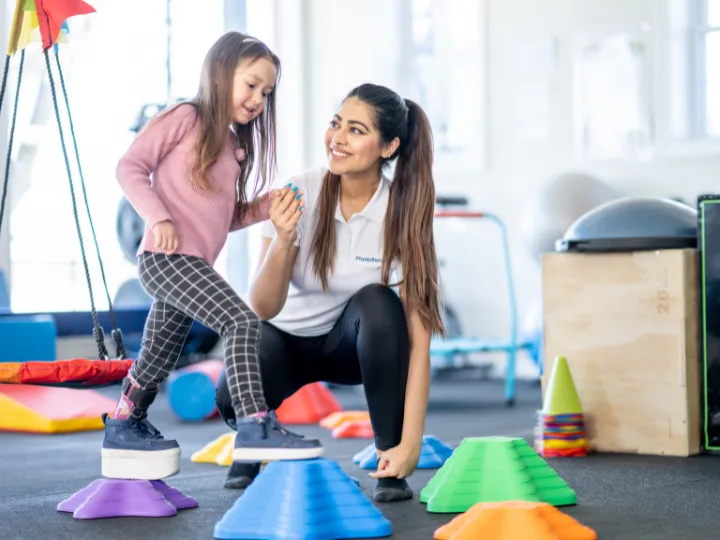
Developing strong motor skills is fundamental to how children interact with their physical environment, participate in play, and manage daily school tasks. Searching for professional occupational therapy near me connects parents with dedicated clinicians who specialize in building physical strength, dexterity, and movement control. Early intervention helps address fine motor challenges, visual motor integration difficulties, and balance issues, ensuring young children build the physical foundation required to master everyday activities like writing, tying shoes, and participating in sports with complete confidence.
Core Elements of Motor Skill Development
Motor development in childhood is split into two essential categories that work together to enable smooth physical function and daily independence.
Key Aspects of Physical Skill Building
- Fine motor control refines finger dexterity for precise movements such as gripping pencils, using scissors, and fastening buttons
- Gross motor development strengthens core muscle groups to enhance balance, running agility, jumping, and posture control
- Motor planning enables children to sequence and execute new physical movements smoothly without hesitation or frustration
Enhancing Daily Function and Playground Confidence
Mastering motor skills reduces physical fatigue, allowing young learners to participate actively in classroom activities and outdoor play.
Practical Benefits for Active Children
- Improves classroom stamina by reducing hand fatigue during lengthier handwriting tasks and drawing exercises
- Boosts playground participation by building spatial awareness, coordination, and confidence during group sporting games
- Fosters independence in self care routines, helping children manage zippers, lunch containers, and personal belongings effortlessly
Summary
Strengthening motor skills during key developmental stages ensures children gain the physical capability and self assurance needed for lifelong success. Investing in targeted developmental support transforms daily movement challenges into opportunities for growth, enabling children to explore, play, and learn without limits.
Frequently Asked Questions
What is the difference between fine motor and gross motor skills?
Fine motor skills involve small muscle movements in the hands and fingers, whereas gross motor skills utilize large muscle groups for movements like balance, running, and jumping.
How do motor skill delays affect a child's school performance?
Delays can make handwriting exhausting, lower drawing legibility, cause fatigue during desk work, and make physical education activities challenging for students.
Can physical motor skills be improved through structured play?
Yes, therapeutic activities use engaging play routines like climbing, threading beads, and obstacle courses to build strength, coordination, and motor planning naturally.
At what age should parents seek support for motor delays?
Support can be sought at any age when a child shows persistent difficulty keeping up with age appropriate physical milestones, self care tasks, or handwriting activities.
How do clinicians evaluate motor skill levels in children?
Clinicians use standardized developmental tests, clinical movement observations, and task analysis to assess hand strength, balance, coordination, and precision.