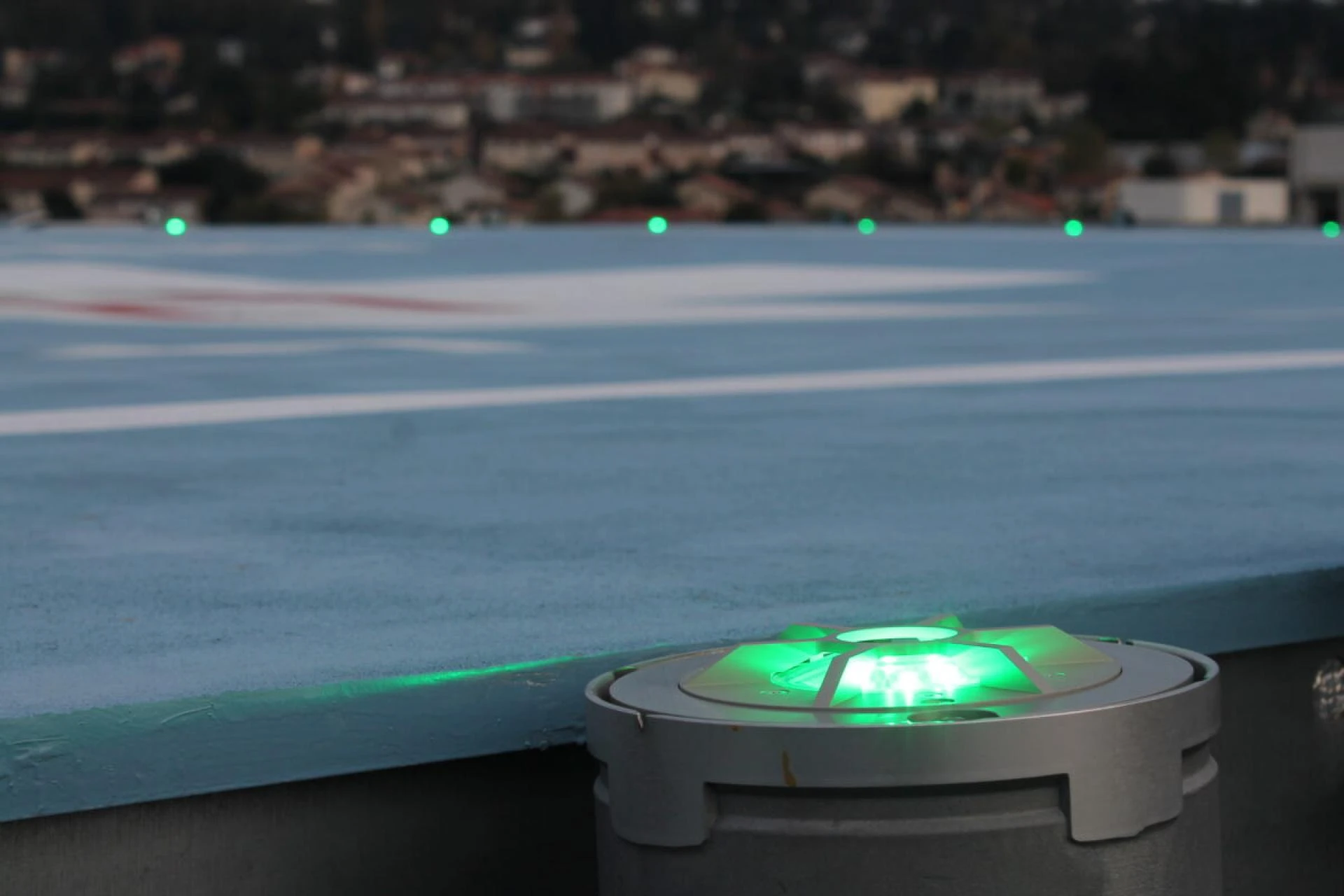
Obstruction lights are specialized lighting devices installed on tall structures such as buildings, towers, cranes, and communication masts to ensure they are visible to aircraft, especially during nighttime or low-visibility conditions. Their purpose is to prevent collisions by marking potential hazards on a flight path, enhancing safety for both aviators and people on the ground.
What Is an Obstruction Light?
An obstruction light emits steady or flashing light, usually red or white, to highlight obstacles that could pose risks to aerial navigation. The brightness and color of these lights are regulated by aviation authorities like ICAO and FAA, who decide on light intensity based on the size, location, and height of the structure.
Where Are Obstruction Lights Used?
- High-rise buildings
- Communication towers
- Wind turbines
- Cranes and construction sites
- Bridges and transmitters
These lights are mandated for structures above a certain height or located near airports to minimize the risk of aircraft accidents.
Types of Obstruction Lights
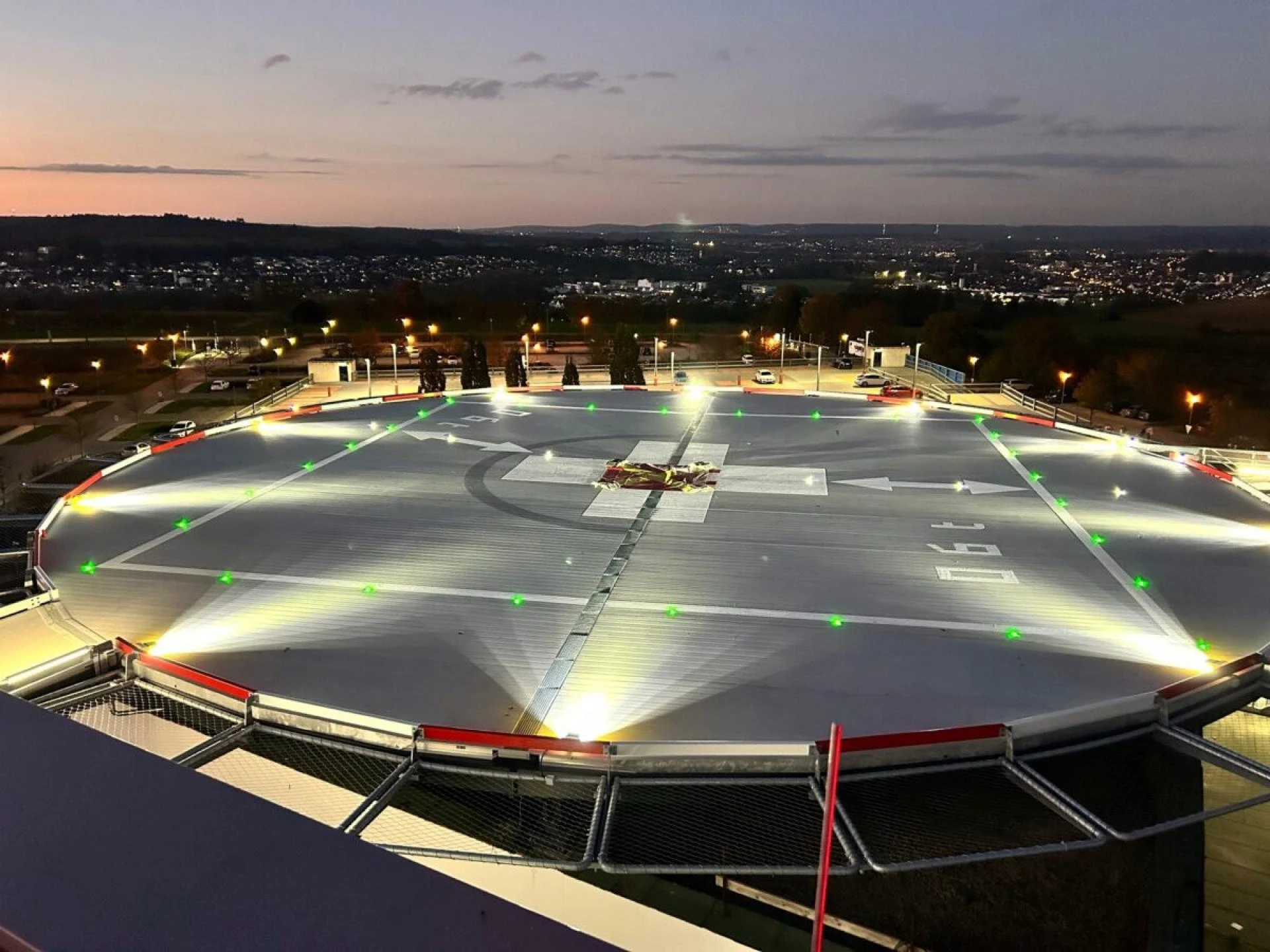
- Low-intensity lights: Used for shorter structures and emit steady red light.
- Medium-intensity lights: Typically flash and are installed on taller buildings and towers.
- High-intensity lights: Emit powerful white strobe flashes for very tall structures, especially outside urban areas.
Regulatory Requirements
Obstruction lights must comply with global civil aviation standards. Typical parameters include:
- Color coding: Red for night, white for daytime or twilight.
- Flash rate: Regulated to avoid confusion or distraction.
- Visibility: Fixtures must be clearly visible from a specific range to ensure pilot safety.
Advances in Technology
Modern obstruction lights employ LED technology for energy efficiency, longer life, and lower maintenance. Many can be monitored remotely to ensure they remain operational, which is essential for locations with difficult access.
Importance for Safety
Obstruction lights act as visual warning signals, minimizing the risk of accidents and saving lives. Failure to install or maintain proper lighting may result in penalties and increased liability for property owners.