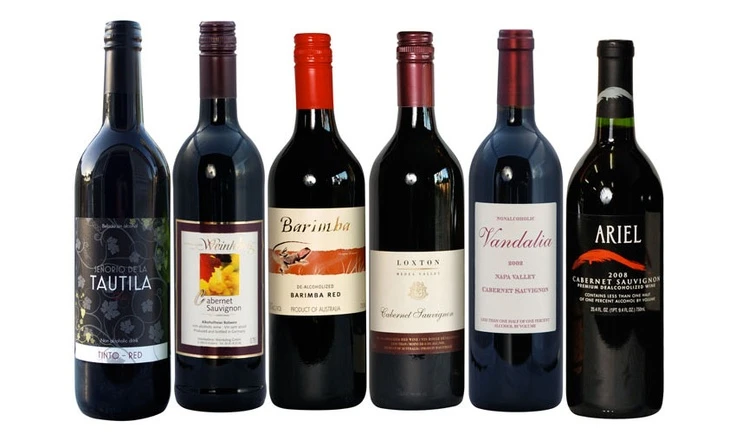
Wine has been an integral part of human culture for centuries, symbolizing celebration, sophistication, and social bonding. Traditionally, alcohol has been inseparable from wine, but in recent years, this perception has begun to shift. More people are adopting healthier lifestyles, reducing alcohol intake, and looking for alternatives that allow them to enjoy the taste and ritual of wine without the effects of alcohol. This shift has paved the way for non-alcoholic wines, a category that is steadily gaining global recognition.
These wines are designed to offer the same elegance, complexity, and enjoyment as traditional wines but without the intoxicating impact. They are more than just a passing trend; they represent a lifestyle choice rooted in balance, inclusivity, and wellness. From health-conscious consumers to social drinkers seeking moderation, non-alcoholic wines are transforming the way people view celebratory beverages.
The Rise of Non-Alcoholic Wines
The growing popularity of non-alcoholic wines is closely tied to a cultural transformation. Modern consumers, especially millennials and Gen Z, are more mindful about their drinking habits compared to previous generations. They seek healthier alternatives that do not compromise taste or social experience.
In the past, non-alcoholic wines were limited in variety and often dismissed as subpar compared to traditional wines. Today, advancements in winemaking techniques and technology have elevated them into a refined category of their own. Restaurants, bars, and retailers now proudly include them in their offerings, reflecting their increasing demand and acceptance.
The rise of these wines is not just about avoiding alcohol—it is about creating an inclusive environment where everyone, regardless of personal choice or health reasons, can share in the joy of raising a glass.
How Non-Alcoholic Wines Are Made
The production of non-alcoholic wines mirrors that of traditional wines up to a certain point. Grapes are harvested, crushed, and fermented, allowing natural sugars to convert into alcohol. What distinguishes them is the final stage, where alcohol is carefully removed without destroying the flavors, aromas, and textures that define wine.
Several advanced methods are used to achieve this balance:
- Vacuum Distillation: In this process, wine is heated under reduced pressure, which lowers the boiling point of alcohol. This allows alcohol to evaporate at lower temperatures, minimizing damage to flavor compounds.
- Reverse Osmosis: A filtration process separates alcohol and water molecules from essential flavor compounds. Once alcohol is removed, the remaining elements are recombined to restore balance.
- Spinning Cone Technology: Using centrifugal force and evaporation, this method gently separates alcohol while retaining aroma and taste.
These techniques are precise and sophisticated, ensuring that the final product is more than just grape juice—it is a carefully crafted wine with character and depth.
Health and Wellness Benefits
One of the primary reasons people are turning to non-alcoholic wines is their connection to health and wellness. While traditional wines contain beneficial antioxidants like polyphenols, they also carry the risks associated with alcohol consumption, such as liver strain, dehydration, and disrupted sleep. Non-alcoholic wines allow consumers to enjoy the benefits of grapes without these drawbacks.
Some of the key benefits include:
- Lower Calorie Content: Without alcohol, these wines typically contain fewer calories, making them suitable for individuals managing their weight.
- Better Sleep and Focus: Alcohol is known to disrupt sleep cycles. Choosing a non-alcoholic version allows for better rest and improved mental clarity.
- Inclusivity: These wines are safe for expectant mothers, designated drivers, individuals with medical restrictions, and those who avoid alcohol for religious or cultural reasons.
- Antioxidants: Many non-alcoholic wines retain polyphenols, compounds that may support cardiovascular health and fight free radicals.
By balancing wellness with pleasure, non-alcoholic wines have become a practical choice for modern lifestyles.
Social and Cultural Importance
Beyond health benefits, non-alcoholic wines play an important role in fostering inclusivity. Social gatherings, celebrations, and rituals often revolve around drinking, and those who avoid alcohol have historically been left with limited options. The availability of non-alcoholic wines ensures that everyone can take part in the experience without feeling excluded.
For professional settings, they provide a sophisticated alternative to traditional alcoholic beverages, allowing individuals to maintain composure and focus while still enjoying a drink with colleagues. In family settings, they bridge generational gaps, allowing young adults, parents, and seniors to share the same celebratory ritual without compromise.
This cultural significance reflects a broader societal shift where enjoyment is no longer defined by alcohol but by shared experiences, inclusivity, and mindful choices.
Varieties of Non-Alcoholic Wines
Just like traditional wines, non-alcoholic wines come in a wide range of varieties. This ensures that there is an option for every preference and occasion.
- Red Wines: Known for bold flavors and aromas of berries, oak, and spices, these wines pair perfectly with meats, pasta, and hearty meals.
- White Wines: Crisp and refreshing, with notes of citrus, apple, or pear. They are ideal for seafood, poultry, and light dishes.
- Rosé Wines: Light, fruity, and versatile, rosé non-alcoholic wines are excellent for summer gatherings and casual dining.
- Sparkling Wines: Offering bubbles and festivity, sparkling non-alcoholic wines are often chosen for weddings, birthdays, and New Year’s celebrations.
This variety demonstrates that non-alcoholic wines are not limited substitutes but rather authentic alternatives with diverse characteristics.
Common Misconceptions
Despite their growing popularity, non-alcoholic wines still face certain misconceptions. Many people believe they are simply grape juice, but in reality, they undergo the same fermentation process as traditional wines, which gives them structure and complexity.
Another misconception is that they lack quality or sophistication. While early attempts were indeed less refined, modern non-alcoholic wines are crafted with advanced techniques that allow them to rival their alcoholic counterparts.
Lastly, some believe they are overpriced. While it’s true that the technology to remove alcohol adds to production costs, the health benefits, inclusivity, and flavor make them worthwhile investments for many consumers.
Challenges in the Market
Although demand is growing, the non-alcoholic wine industry still faces challenges. One is the need for greater awareness. Many consumers are not fully informed about the difference between grape juice and non-alcoholic wine. Education through tastings, marketing, and retail experiences is essential.
Another challenge is accessibility. While these wines are increasingly available, not all regions have easy access to high-quality options. Expanding distribution will play a crucial role in the industry’s growth.
Additionally, some wine enthusiasts remain skeptical, which means producers must continue to focus on innovation and quality to build trust and recognition.
The Future of Non-Alcoholic Wines
The future looks bright for non-alcoholic wines. With wellness trends continuing to grow, the demand for alcohol-free options will only increase. Producers are investing in better technology, experimenting with organic and biodynamic grapes, and developing premium options that cater to luxury markets.
E-commerce and subscription services are also playing a role in accessibility, making it easier for consumers to explore different styles from the comfort of their homes. Sustainability efforts, such as eco-friendly packaging and ethical sourcing, are further aligning non-alcoholic wines with consumer values.
As society continues to embrace moderation and inclusivity, non-alcoholic wines are likely to become a mainstream choice rather than a niche product.
Conclusion
Non-alcoholic wines are more than just beverages; they represent a cultural shift toward healthier, more mindful, and inclusive lifestyles. They provide the ritual, flavor, and sophistication of wine drinking without the drawbacks of alcohol, making them a versatile option for a wide range of people and occasions.
From their advanced production methods to their health benefits and cultural significance, non-alcoholic wines are redefining the modern drinking experience. As innovation continues and awareness grows, they are poised to become a lasting part of global wine culture.