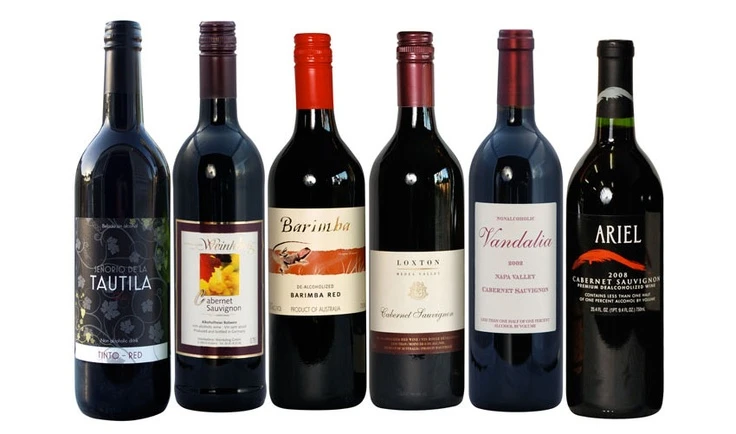
Wine has been an essential part of human culture for centuries. It has accompanied meals, celebrations, and even sacred rituals. Traditionally, the enjoyment of wine has been associated with its alcohol content, but in recent years, society has begun to embrace alternatives that deliver the same sophistication and depth of flavor without the effects of alcohol. Non-alcoholic wines have emerged as a refined option for those who wish to enjoy the essence of wine while maintaining a mindful and health-conscious lifestyle.
This article explores everything about non-alcoholic wines—their history, production methods, cultural importance, health benefits, and role in modern society. Far more than just a substitute, they represent a new way to experience the ritual of wine drinking.
The Evolution of Non-Alcoholic Wines
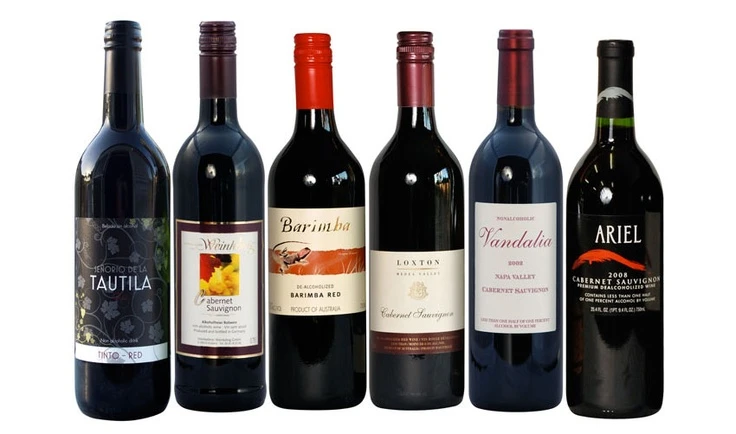
The concept of alcohol-free beverages is not new. For centuries, various cultures have sought alternatives to traditional alcoholic drinks, whether for health, religious, or personal reasons. However, earlier versions of alcohol-free “wines” were often limited to grape juice or simple substitutes that lacked the complexity of real wine.
Today’s non-alcoholic wines are a product of innovation and craftsmanship. They begin their journey in much the same way as traditional wines—through careful grape selection, fermentation, and aging. The difference comes in the final stage, where alcohol is removed while preserving the flavors, aromas, and textures that make wine so beloved.
This evolution reflects a cultural shift. Modern consumers no longer view drinking as essential to celebration or socializing. Instead, they seek options that allow them to fully engage in traditions without compromising personal wellness or beliefs.
How Non-Alcoholic Wines Are Made
To understand what makes non-alcoholic wine unique, it’s important to know how it is crafted. Unlike simple grape juice, it undergoes a process similar to traditional winemaking before alcohol is gently removed. Several advanced techniques are used:
- Vacuum Distillation: The wine is heated under reduced pressure so that alcohol evaporates at a lower temperature, minimizing the loss of delicate aromas.
- Reverse Osmosis: This method filters the wine through fine membranes that separate alcohol from other compounds, allowing winemakers to recombine the flavors without alcohol.
- Spinning Cone Column: A modern technique that carefully separates volatile compounds, preserving the aromas and taste before reassembling the wine without alcohol.
The end result is a beverage that maintains the essence of traditional wine—its bouquet, body, and mouthfeel—yet contains little to no alcohol. This balance is what sets non-alcoholic wines apart from simple alternatives.
Why Non-Alcoholic Wines Are Growing in Popularity
The rise in demand for non-alcoholic wines is closely linked to lifestyle changes and wellness trends. More people are adopting healthier routines, and reducing alcohol intake is often part of that journey. The sober-curious movement has encouraged individuals to experiment with living alcohol-free while still participating fully in social traditions.
Another key factor is inclusivity. Non-alcoholic wines allow people with different needs and preferences—such as pregnant women, designated drivers, athletes, or those with health restrictions—to enjoy the ritual of wine drinking without compromise.
Restaurants, hotels, and event planners are increasingly including these options in their offerings, recognizing that today’s consumers value choice, balance, and inclusivity.
Health and Lifestyle Benefits
One of the strongest appeals of non-alcoholic wines is their contribution to wellness. Traditional wines contain antioxidants like resveratrol and polyphenols, but their benefits are often overshadowed by the effects of alcohol. By removing alcohol, consumers can enjoy a healthier alternative.
Some of the key benefits include:
Better Sleep Quality – Unlike alcohol, which disrupts sleep cycles, non-alcoholic wines allow you to relax without affecting rest.
Lower Calorie Content – Many varieties contain fewer calories, making them ideal for those watching their diet.
Reduced Health Risks – Drinking alcohol regularly increases risks of liver disease, heart issues, and other conditions. Alcohol-free options reduce these risks.
Mental Clarity – They provide the relaxation and ritual of wine drinking without impairing focus or productivity.
Hydration-Friendly – Alcohol dehydrates, but its non-alcoholic counterparts help maintain balance.
These benefits align with the modern pursuit of balance, where enjoyment does not come at the cost of long-term health.
Types of Non-Alcoholic Wines
Just like traditional wines, non-alcoholic versions come in a wide variety of styles to suit different preferences and occasions:
- Red Wines – Full-bodied and rich, often crafted from cabernet sauvignon, merlot, or syrah grapes.
- White Wines – Light and refreshing, offering crisp notes similar to chardonnay, riesling, or sauvignon blanc.
- Rosé Wines – Fruity and versatile, perfect for warm weather and casual gatherings.
- Sparkling Wines – Effervescent and celebratory, designed for weddings, holidays, and special events.
This variety ensures that there is a suitable non-alcoholic wine for every meal, celebration, or quiet evening at home.
Pairing Non-Alcoholic Wines with Food
The art of pairing food and wine is centuries old, and non-alcoholic wines make it possible to continue this tradition. Their flavors and textures complement many types of cuisine:
- Red wines pair well with roasted meats, pasta, and aged cheeses.
- White wines are ideal for seafood, poultry, and fresh salads.
- Rosé wines match beautifully with Mediterranean dishes and grilled vegetables.
- Sparkling wines elevate desserts, appetizers, and celebratory meals.
For chefs and food enthusiasts, these wines expand culinary experiences, allowing creativity without alcohol.
Breaking Myths and Misconceptions
While their popularity is growing, non-alcoholic wines are still misunderstood. Some people assume they are simply grape juice, but in reality, the fermentation process gives them complexity and structure. Others believe they lack depth, but modern techniques have created alcohol-free wines with impressive character and balance.
Another misconception is that they are only for people who cannot drink alcohol. In truth, many enthusiasts who still enjoy traditional wine choose alcohol-free options during the week or when they want to avoid side effects. This flexibility is what makes non-alcoholic wines appealing to a wide audience.
The Cultural Impact of Non-Alcoholic Wines
Non-alcoholic wines are more than beverages—they are symbols of inclusivity and cultural change. They allow everyone to participate in social rituals such as toasts, pairings, and celebrations, regardless of personal or cultural restrictions.
In professional settings, they provide a polished option for business dinners, networking events, and corporate functions. In personal settings, they ensure that no one feels left out during weddings, birthdays, or holiday gatherings.
This cultural role is part of why non-alcoholic wines have become mainstream, bridging gaps between traditions and modern values.
Challenges Facing the Market
Despite rapid growth, the industry faces challenges. Educating consumers about the difference between juice and wine alternatives remains crucial. Pricing can also be an obstacle, as premium alcohol-free wines often cost the same or more than their alcoholic versions due to advanced production methods.
However, as awareness grows and technology improves, these barriers are gradually being reduced. More competition in the market will also lead to better quality and affordability for consumers.
The Future of Non-Alcoholic Wines
The future of non-alcoholic wines looks bright. With more wineries investing in research and development, quality continues to improve. Retailers and restaurants are expanding their selections, and online shops make it easier than ever for consumers to access a wide range of options.
As younger generations embrace wellness-focused lifestyles, alcohol-free beverages are poised to become an integral part of dining, celebration, and hospitality worldwide. Non-alcoholic wines are not simply an alternative; they are becoming a category of their own.
Conclusion
Non-alcoholic wines represent a transformation in how society enjoys beverages. They offer sophistication, flavor, and tradition without the effects of alcohol, making them ideal for health-conscious individuals, social occasions, and inclusive lifestyles. From their intricate production methods to their growing role in modern culture, these wines are far more than substitutes—they are symbols of choice, wellness, and connection.
Whether raising a glass at a wedding, enjoying a meal with friends, or seeking balance in everyday life, non-alcoholic wines provide a refined option for every moment. Their rise is not just a trend but a long-term evolution that reflects changing values, priorities, and the pursuit of mindful living.