
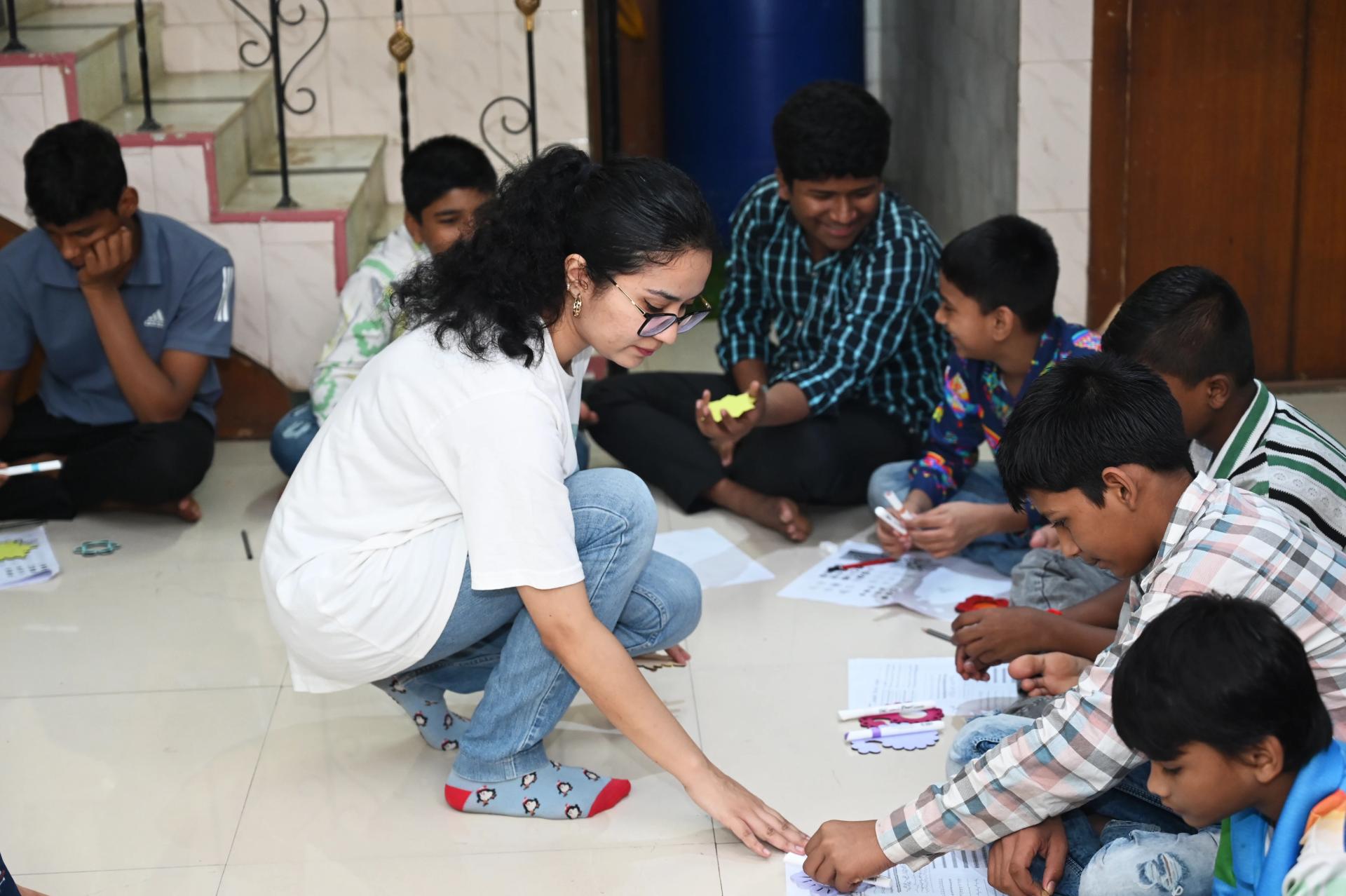
Education is the most powerful tool to break the cycle of poverty and create a better future. In a metropolitan city like Mumbai, where economic disparity is highly visible, many children still struggle to access quality education due to financial, social, and structural challenges. This is where an NGO for child education in Mumbai plays a crucial role by bridging the gap between disadvantaged children and their right to learn, grow, and succeed.
The Educational Challenges Faced by Children in Mumbai
Mumbai is known as India’s financial capital, but behind its skyscrapers and modern infrastructure lies a large population living in slums and underserved communities. Children from these areas often face multiple barriers that prevent them from receiving proper education.
Some of the most common challenges include:
- Financial Constraints: Families with low income prioritize survival needs over school expenses such as uniforms, books, and fees.
- Lack of Awareness: Many parents are unaware of the long-term value of education or government schemes available for their children.
- Child Labor: Some children are forced to work at an early age to support their families, reducing their chances of attending school regularly.
- Limited Access to Resources: Schools in underserved areas often lack infrastructure, qualified teachers, and educational materials.
- Social and Gender Barriers: Girls, in particular, face higher dropout rates due to societal expectations and safety concerns.
These issues highlight the importance of organizations dedicated to ensuring every child has access to education.
The Role of NGOs in Supporting Child Education
Non-governmental organizations play a vital role in transforming the educational landscape for underprivileged children. Their efforts go beyond simply enrolling children in schools—they focus on creating a complete ecosystem that supports learning and personal development.
Key contributions include:
1. Providing Free or Subsidized Education Support
NGOs help children enroll in schools and provide essential materials such as books, stationery, uniforms, and school bags. This reduces the financial burden on families and encourages consistent attendance.
2. Running After-School Programs
Many children struggle academically due to lack of support at home. NGOs offer remedial classes, tutoring sessions, and mentoring programs to help children improve their academic performance and confidence.
3. Creating Safe Learning Environments
A safe and supportive environment is essential for effective learning. NGOs establish community learning centers where children can study without distractions and receive guidance from trained educators.
4. Promoting Digital Literacy
In today’s digital age, access to technology is essential. NGOs provide computer training, digital tools, and internet access to help children develop skills required for future careers.
5. Encouraging Holistic Development
Education is not limited to academics. NGOs also focus on personality development, communication skills, emotional well-being, and extracurricular activities such as sports, art, and music.
How NGOs Help Reduce School Dropout Rates
One of the major goals of educational NGOs is to prevent children from dropping out of school. They achieve this by identifying at-risk children and working closely with families and communities.
Their strategies include:
- Conducting awareness programs to educate parents about the importance of schooling
- Offering counseling and mentorship to motivate children
- Providing financial assistance or scholarships
- Monitoring attendance and academic progress
- Addressing social issues that may prevent children from continuing their education
These efforts significantly improve retention rates and help children complete their schooling.
Community Engagement and Awareness
NGOs understand that lasting change requires community involvement. They actively engage with parents, teachers, and local leaders to create awareness about the importance of education.
Workshops, awareness drives, and community meetings help build trust and encourage families to prioritize their children’s education. When communities become involved, the impact becomes sustainable and long-term.
Supporting Government Education Initiatives
NGOs often work alongside government programs to enhance their effectiveness. They help implement educational schemes, improve school infrastructure, and ensure that benefits reach the children who need them most.
This collaboration strengthens the overall education system and ensures broader reach and impact.
The Long-Term Impact on Society
Investing in child education has far-reaching benefits, not only for individuals but for society as a whole.
Some of the long-term impacts include:
- Increased employment opportunities
- Reduction in poverty levels
- Improved health and living standards
- Greater gender equality
- Stronger and more educated communities
Educated children grow into responsible citizens who contribute positively to society and the economy.
How Individuals Can Support Educational NGOs
Everyone can play a role in supporting child education. Individuals can contribute in several meaningful ways:
- Donating educational materials such as books and stationery
- Sponsoring a child’s education
- Volunteering as a teacher or mentor
- Supporting awareness campaigns
- Contributing financially to educational programs
Even small efforts can create a significant difference in a child’s life.
Conclusion
Education is the foundation of a brighter future, and ensuring access to education for every child is a collective responsibility. NGOs dedicated to child education in Mumbai are playing a transformative role by removing barriers and providing opportunities for children from underserved communities. Through their efforts, thousands of children are gaining the knowledge, confidence, and skills needed to build successful and meaningful lives.
By supporting these initiatives, individuals and communities can help create a more equitable and educated society, where every child has the chance to learn, grow, and achieve their full potential.