Setting the Stage: A World Transformed by Intelligent Devices
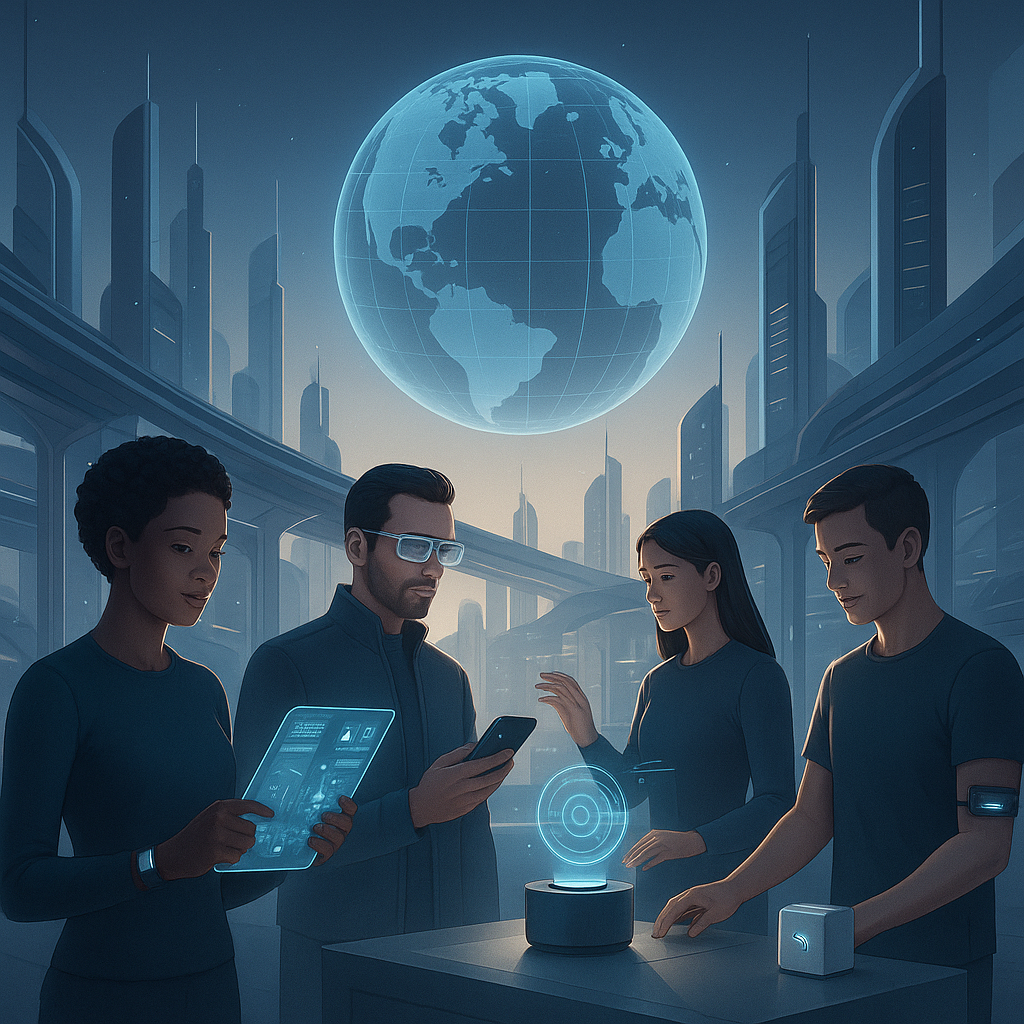
Imagine walking through a bustling urban park in 2026. Surrounding you are devices that no longer just respond to commands but anticipate needs with near-human intuition. From smart glasses subtly augmenting your view with real-time data to wearable health monitors that adjust therapies on the fly, gadgets have evolved beyond mere tools into indispensable companions. Recent market analyses reveal global consumer spending on smart gadgets has surged past $1.2 trillion annually, a figure driven by breakthroughs in artificial intelligence, sensor miniaturization, and energy-efficient computing.
This dramatic shift redefines how we interact with technology daily. Unlike the isolated devices of early smartphones or standalone wearables, today's gadgets operate within intricate ecosystems, seamlessly exchanging data and insights. This transformation is not just technological but deeply cultural, reshaping privacy norms, work habits, and even emotional connections. According to Gartner, by 2026, over 75% of household devices will integrate advanced AI, enabling adaptive behavior rather than fixed functionalities.
“The future of gadgets lies in their invisibility — devices that work so intuitively they feel like extensions of ourselves.” — Dr. Elisa Monroe, Director of Human-Centered AI, Stanford University
This article explores how these trends have emerged, the latest innovations defining 2026, and what lies ahead as gadgets continue to blur the lines between technology and life itself.
From Tools to Teammates: Tracing the Evolution of Gadgets
The journey from rudimentary mechanical devices to today’s AI-powered gadgets is marked by waves of innovation. The early 2000s witnessed smartphones revolutionizing communication and computation, embedding multiple utilities into a handheld device. The 2010s brought wearables like fitness trackers and smartwatches that began monitoring health metrics in real time. Yet, these devices remained largely reactive — waiting for user input.
Entering the 2020s, advances in machine learning and sensor technologies gave rise to empathetic gadgets capable of understanding user emotions and contexts. Voice assistants evolved into proactive partners, anticipating calendar conflicts or health issues before users voiced concerns. This shift from reactive to anticipatory technology was underpinned by breakthroughs in edge computing and ultra-low power chips, allowing complex processing closer to the device, minimizing latency and privacy risks.
Alongside technological advances, societal acceptance grew. Privacy concerns initially slowed adoption, but transparent data governance frameworks and user-centric design helped build trust. The convergence of these factors created fertile ground for the gadgets of today and tomorrow. For a deep dive into how empathetic tech transformed consumer expectations, see Why Gadgets Are Becoming More Human.
2026 Breakthroughs: The New Frontiers of Gadget Innovation
This year marks a pivotal moment in gadget innovation, characterized by three dominant trends: pervasive AI integration, bio-interfacing devices, and sustainable design.
- Pervasive AI Integration: Devices now host multimodal AI systems combining vision, natural language, and emotional recognition. Leading manufacturers report AI-powered personal assistants that adapt dynamically to user moods and habits, improving task efficiency by up to 40%, according to Statista data. For instance, smart home hubs can detect stress levels through voice and adjust lighting or music to soothe occupants.
- Bio-Interfacing Devices: Non-invasive neural interfaces are gaining traction. Companies like NeuralSync and BioLink have launched wearable headsets and patches enabling direct brain-to-device communication, facilitating hands-free control and even memory augmentation. This technology promises revolutionary applications in healthcare, gaming, and workplace productivity.
- Sustainable Design: With mounting environmental pressures, gadget makers emphasize circular economy principles. Modular designs extend device lifespans, while biodegradable components reduce e-waste. Reports from the International Electronics Recycling Federation show a 30% reduction in gadget-related waste since 2024, largely due to these initiatives.
These developments are reflected in consumer product launches and industrial applications alike. Smart glasses now provide augmented reality overlays for surgeons, while AI-powered drones assist in disaster relief. The cross-pollination of sectors accelerates innovation, making 2026 a landmark year for gadget technology.
“Sustainability and seamless intelligence aren’t just buzzwords—they’re prerequisites for the next generation of gadgets.” — Rajiv Malhotra, CTO of GreenTech Devices
Industry Perspectives: Insights from Leading Innovators
Industry experts emphasize that the future of gadgets hinges on balancing technological capability with ethical and human-centric design. At the recent Global Tech Symposium in Zurich, Dr. Helena Vu, head of R&D at InnovateX, highlighted the importance of inclusivity in gadget design.
“We are moving beyond one-size-fits-all models,” Vu explained. “Adaptive interfaces that learn from diverse user populations will ensure gadgets serve everyone equitably, not just early adopters or tech-savvy demographics.”
Meanwhile, startups focusing on AI transparency advocate for gadgets that explain their decision-making processes, boosting user trust. According to a survey by TechTrust Alliance, 68% of users prefer AI systems that provide clear reasoning, a trend influencing gadget UI design profoundly.
On the commercial front, tech giants are investing heavily in cross-device ecosystems. Samsung’s 2026 report reveals a 25% increase in revenue from interconnected gadget suites, validating the strategy of integrated user experiences over standalone products.
- Key industry trends impacting gadgets in 2026:
- AI explainability and user control
- Privacy-first data architectures
- Integration of quantum computing elements for complex processing
- Expansion of 6G networks enabling ultra-fast device communication
For readers interested in strategic approaches powering these trends, Mastering Tomorrow’s Tech offers an in-depth exploration of the forces shaping smart gadget development.
Case Studies: Real-World Applications Illustrating Gadget Evolution
Examining cutting-edge deployments reveals how futuristic gadget concepts translate into tangible benefits. Two standout examples from early 2026 illustrate this well.
Case Study 1: NeuroWellness Wearables
NeuroWellness, a startup based in Berlin, launched a wearable headband that tracks neural activity to detect early signs of cognitive decline. Using AI algorithms trained on extensive datasets, the device alerts users and healthcare providers to subtle changes, enabling preemptive interventions. Clinical trials show a 20% improvement in early diagnosis rates over traditional methods, revolutionizing eldercare.
Case Study 2: Smart Agricultural Drones
AgriFly, operating in Brazil, deployed swarms of AI-enabled drones equipped with multispectral imaging to monitor crop health in real time. The drones autonomously adjust irrigation and fertilizer application, increasing yields by 18% while reducing resource consumption. This model exemplifies how gadgets are transforming essential industries beyond consumer markets.
- Lessons from these cases include:
- Integration of AI with domain-specific expertise enhances gadget utility
- Real-time data processing at the edge enables rapid, context-aware actions
- Cross-sector collaboration accelerates innovation and adoption
Looking Ahead: What to Watch in the Next Wave of Gadgets
As we anticipate the trajectory of gadget innovation, several developments warrant close attention. Foremost is the maturation of brain-computer interfaces (BCIs), which experts predict will become commercially mainstream by 2030. These devices promise to redefine communication, accessibility, and entertainment.
Simultaneously, the convergence of AI with biotechnology may spawn gadgets capable of real-time health modification, such as personalized drug delivery systems embedded into wearables. Ethical debates surrounding such capabilities will intensify, demanding robust regulatory frameworks.
Moreover, the proliferation of 6G and beyond networks will facilitate instantaneous, secure connectivity among billions of devices, fostering truly ambient intelligence environments. This will challenge developers to create gadgets that balance autonomy with user oversight.
“The next decade will test our ability to harmonize technological potential with societal values.” — Maria Chen, Chair of the International Tech Ethics Forum
Staying informed on these trends will empower consumers and businesses alike. For further insight into how gadgets are increasingly entwining with daily life, readers should explore Why Tomorrow’s Gadgets Will Blur the Line Between Tech and Life.
In conclusion, the future of gadgets is a tapestry woven from technological breakthroughs, ethical considerations, and human aspirations. As devices become extensions of our minds and bodies, understanding this evolution equips us to harness their full potential responsibly.