The Shifting Scene: A Snapshot of TV in Early 2026
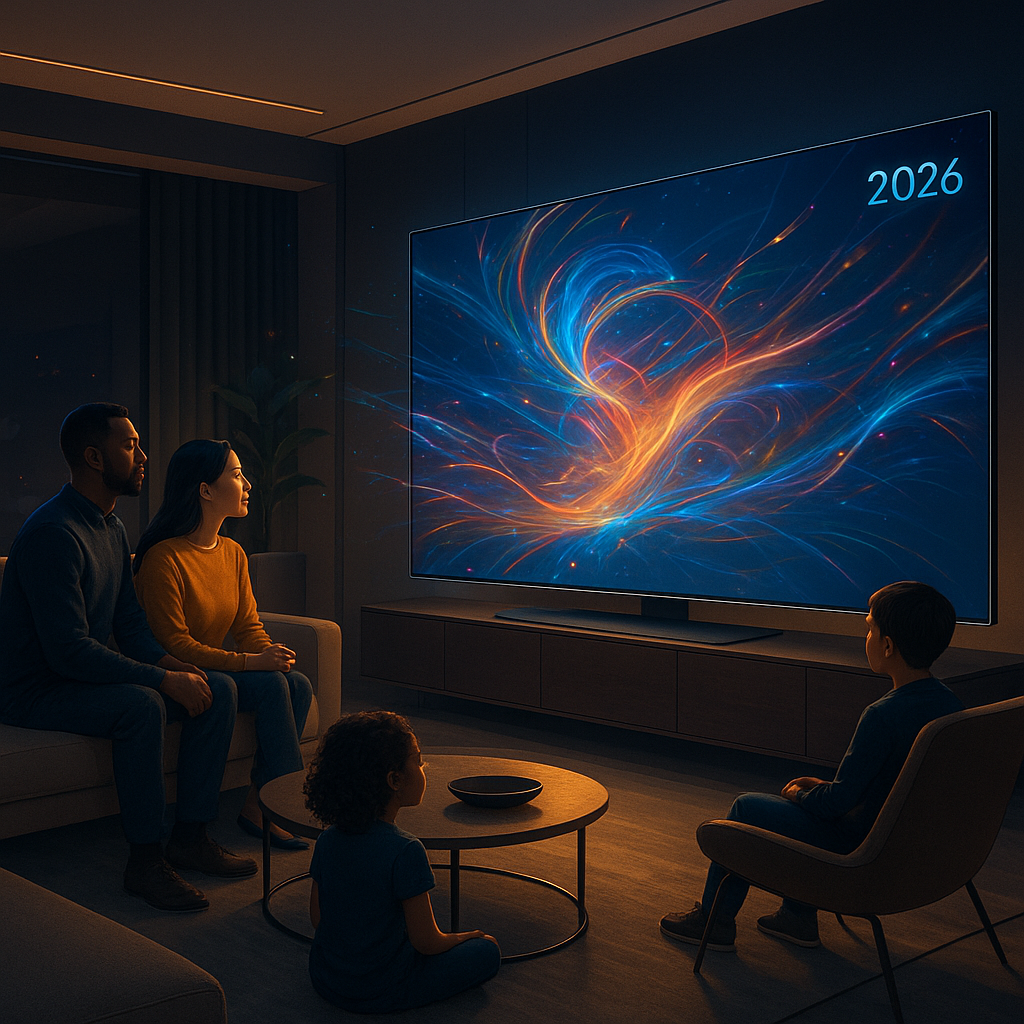
Picture a living room in April 2026. The television no longer serves as a passive window but a dynamic, interactive hub connecting viewers to stories that adapt in real time. TV shows have evolved far beyond traditional episodic formats, blending immersive technologies and personalized narratives. According to recent industry reports, global streaming subscriptions have surged past 1.2 billion, a near 30% increase since 2023, signaling an unprecedented demand for diverse and innovative content. This explosive growth parallels a radical transformation in how television is produced, consumed, and monetized.
Viewership habits have shifted as well. Nielsen data highlights that average weekly TV time per adult has decreased by 12%, yet engagement per session has intensified, indicating a shift toward binge-watching and event-style viewing. Meanwhile, the rise of AI-driven recommendation engines has fine-tuned content discovery, making it easier for audiences to find niche genres or international shows that historically struggled for attention.
"TV in 2026 is not just about watching; it's about experiencing stories in new multidimensional ways," notes media analyst Dr. Lena Torres.
This sets the stage for a deep dive into the forces and trends shaping television in 2026, exploring the journey from past to present, the current developments redefining the medium, and what lies ahead for audiences and creators alike.
Tracing the Trajectory: How TV Reached 2026’s Crossroads
To understand television’s present transformation, it’s essential to examine the seismic shifts over the past decade. The early 2020s saw a pivot from broadcast dominance to streaming supremacy. Netflix’s 2019 milestone of surpassing 160 million subscribers was quickly followed by Disney+, HBO Max, Amazon Prime Video, and others aggressively expanding their global footprints. This proliferation fragmented audiences but also democratized content access.
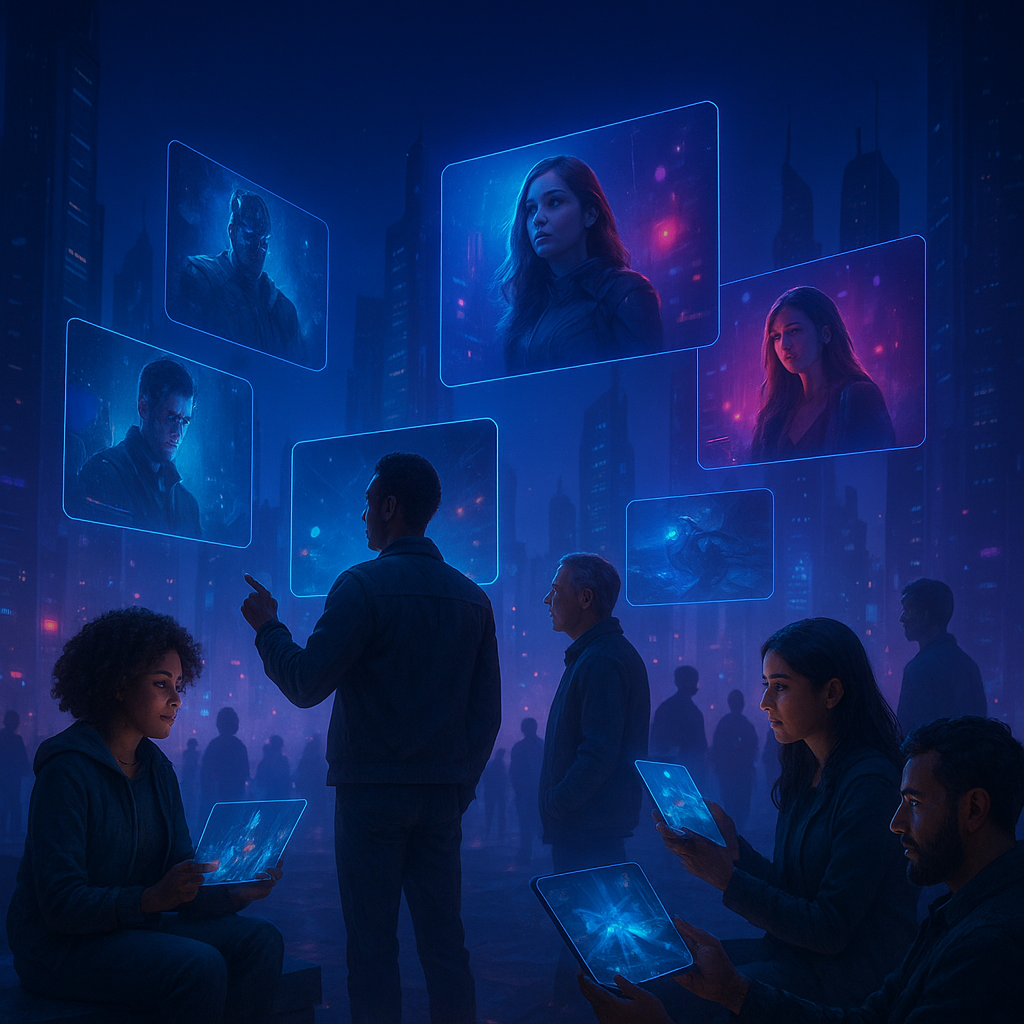
Simultaneously, technological innovations accelerated. The adoption of 5G networks enabled high-quality streaming on mobile devices, while cloud computing and AI revolutionized production pipelines and content personalization. The integration of virtual reality (VR) and augmented reality (AR), though nascent in the early 2020s, laid the groundwork for today’s immersive storytelling experiences.
Moreover, content itself diversified. The rise of international hits—such as South Korea’s "The Silent Sea" and Spain’s "El Invierno"—underscored a growing appetite for non-English shows, supported by more sophisticated translation and dubbing technologies. This globalization of TV created a more interconnected cultural landscape, reflected in 2026’s programming lineup.
Industry strategies also evolved; studios increasingly embraced shorter seasons, anthology formats, and interactive narratives. This experimentation aimed to capture viewers’ fleeting attention in a crowded marketplace. Significant mergers, such as the 2024 unification of several major studios into the entertainment conglomerate GlobalVista Media, reshaped content ownership and distribution frameworks.
"The past decade has been one of disruption and opportunity, setting the stage for the immersive, AI-assisted television era we see today," says GlobalVista’s innovation lead, Marcus Chen.
2026’s Core Dynamics: Data, Diversity, and Disruption
The TV landscape in 2026 is characterized by three intertwined dynamics: the central role of data, the flourishing of diverse content, and ongoing industry disruption.
Data-Driven Content Creation and Consumption
Networks and streaming platforms now harness vast amounts of viewer data to tailor content. According to Statista, 78% of top-rated shows in 2025 were developed with direct input from audience analytics. These insights inform everything from casting decisions to narrative arcs, enabling creators to respond swiftly to audience preferences. Platforms use AI to predict what types of stories will resonate, reducing the risk of costly flops.
Diversity as a Driving Force
More than ever, audiences demand representation and authenticity. From queer-led dramas to indigenous storytelling, 2026’s TV offerings reflect a commitment to inclusivity. This shift is both social and economic: shows featuring diverse casts and culturally specific narratives now regularly outperform homogenous productions. Industry reports from the Television Academy highlight that 65% of Emmy nominees in 2025 came from projects emphasizing diversity and social issues.
Disruption and Innovation
Traditional networks continue to grapple with streaming’s dominance. Yet, new hybrid models—such as interactive broadcast-stream simulcasts—are emerging. Additionally, companies are experimenting with AI-generated content segments and user-driven storylines. For example, the hit series "Echoes of Tomorrow" allows viewers to vote on plot decisions through integrated apps, blending gaming and TV.
- Top 5 TV trends in 2026:
- AI-assisted scripting and editing
- Immersive VR and AR experiences
- Short-form, high-impact storytelling (micro-series)
- Cross-platform franchise expansions
- Personalized viewing paths and adaptive narratives
These developments demonstrate that television is no longer a static medium but a fluid, evolving form of storytelling.
Fresh Faces and Formats: What’s New in 2026 Programming
2026’s slate introduces groundbreaking shows that challenge traditional formats and reflect contemporary themes. For instance, "Neon Horizons," a sci-fi anthology series, blends episodic storytelling with immersive AR components that transform viewers’ environments during key scenes. Produced by GlobalVista Media, it has garnered critical acclaim for its innovation and narrative depth.
Reality TV has also evolved. The genre’s new iteration, "MindScape," uses neurofeedback technology to capture contestants’ real-time emotional states, adding psychological layers to competition. This show typifies the broader trend of integrating biometric data into entertainment.
International co-productions have become mainstream. The French-Japanese crime thriller "Shadow Lines" topped streaming charts across Europe and Asia, highlighting increasing collaboration between studios to pool resources and creative talent. TheOmniBuzz previously covered how these collaborations are redefining storytelling, emphasizing cultural hybridity and complex narratives.
Animation studios are no exception to innovation. The 2026 release of "Chronos Rift," a serialized fantasy featuring real-time audience input on character decisions, sets a new standard for interactive animation. Experts suggest this model will become increasingly common, merging gaming and TV sectors.
Producer Maya Singh notes, "Our goal is not just to entertain but to engage viewers as active participants, blurring the lines between audience and creator."
Industry Voices and Impact: Analysts Weigh In
Industry experts agree that 2026 marks a pivotal moment for television. According to media strategist Julian Novak, "The convergence of AI, immersive tech, and globalization is pushing TV into a new era where content is smarter, more accessible, and deeply personalized." Novak highlights that this evolution is driving unprecedented competition, forcing all players to innovate rapidly.
Executives from major platforms emphasize balancing technology with storytelling. "While AI enhances efficiency, the core of great TV remains human connection," states GlobalVista’s Marcus Chen. "Our investments prioritize creators who can marry data insights with emotional resonance." This philosophy underscores a growing trend toward hybrid creative teams combining data scientists, technologists, and writers.
From a cultural perspective, the increased diversity on screen is reshaping audience perceptions. Social critic Dr. Amina El-Sayed argues, "TV is a mirror and a mold. The more authentic and varied the stories, the more society benefits from empathy and understanding." Networks are responding by expanding development pipelines to underrepresented voices, a shift corroborated by Television Academy statistics.
- Key industry impacts in 2026:
- Accelerated content personalization boosting viewer retention
- Expansion of immersive narrative formats challenging traditional storytelling
- Greater collaboration across international markets
- Heightened focus on inclusivity influencing casting and writing
- Emergence of new revenue models blending advertising, subscriptions, and interactive monetization
Entertainment lawyer Sophia Ramirez notes, "The legal frameworks around AI-generated content and interactive media will be critical to watch as they evolve alongside these technologies."
Looking Ahead: What Viewers and Creators Should Expect Next
As 2026 unfolds, television’s future appears both thrilling and complex. The integration of AI and immersive tech is expected to deepen, offering viewers increasingly personalized and engaging experiences. Platforms will likely refine algorithms not just for recommendations but for adaptive narratives that change in real time based on viewer response.
Creators face new challenges and opportunities. The demand for cross-disciplinary collaboration will grow, requiring writers, technologists, and data analysts to work seamlessly. Intellectual property frameworks will need updating to address AI-created content and shared audience input.
Viewers can anticipate a richer palette of stories, reflecting global perspectives and experimental formats. The trend toward shorter, high-impact series will continue to cater to changing attention spans, while flagship event shows will harness interactive elements to unite audiences worldwide.
For those interested in the technological underpinnings of these changes, TheOmniBuzz’s feature on AI and immersive tech reshaping TV shows’ future offers an in-depth look at the innovations driving this new era.
- Future trends to watch:
- Expansion of AI-driven scriptwriting and production tools
- Growth of virtual and augmented reality in mainstream TV
- More user-generated and co-created content models
- Enhanced cross-platform integration between TV, gaming, and social media
- New monetization strategies including microtransactions and NFTs tied to content
Ultimately, television in 2026 is not just entertainment; it is a rapidly evolving cultural ecosystem that reflects and shapes how we connect with stories and each other.