
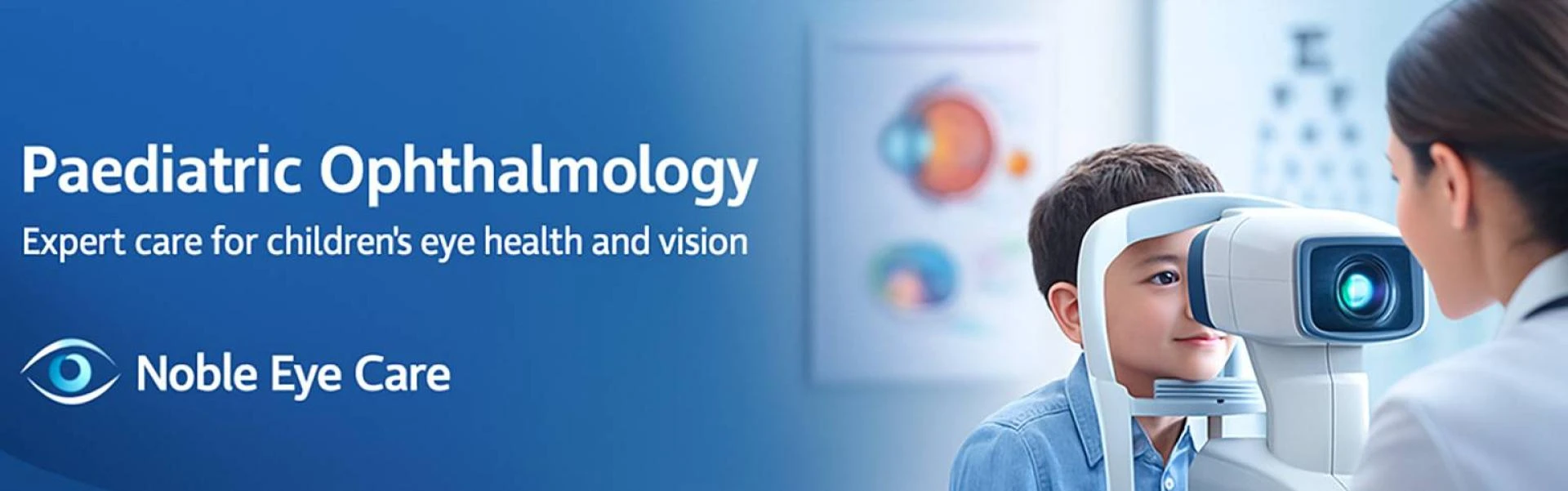
Children’s vision plays a crucial role in their physical, cognitive, and emotional development. From reading and learning to recognizing faces and navigating their surroundings, healthy eyesight supports every stage of growth. While routine eye problems are common in childhood, some vision issues are linked to the nervous system and require advanced medical attention. In such cases, the expertise of a neuro ophthalmology specialist combined with the care of a trusted pediatric eye doctor near me becomes essential.
This guide helps parents understand pediatric neuro-ophthalmology, recognize warning signs, and make informed decisions about specialized eye care for children.
Understanding Neuro-Ophthalmology in Children
Neuro-ophthalmology is a specialized field that focuses on vision problems caused by disorders of the brain, optic nerves, and eye movement pathways. In children, these conditions can be congenital, developmental, or acquired due to illness or injury.
A neuro ophthalmology specialist is trained to diagnose complex visual disorders that may not be detected during routine eye exams. These specialists bridge the gap between neurology and ophthalmology, ensuring that vision problems related to the nervous system are accurately identified and managed.
Children often struggle to explain what they are experiencing visually, which makes expert evaluation even more important. Early diagnosis can significantly improve outcomes and prevent long-term visual impairment.
The Role of a Pediatric Eye Doctor in Early Care
A pediatric eye doctor near me is typically the first healthcare professional parents consult when they notice changes in their child’s vision or eye behavior. Pediatric eye doctors specialize in examining children and are skilled at identifying vision problems at an early stage.
Their responsibilities include:
- Conducting age-appropriate eye exams
- Monitoring visual development milestones
- Diagnosing refractive errors
- Managing common childhood eye conditions
- Identifying signs of neurological involvement
When symptoms suggest a deeper neurological issue, the pediatric eye doctor refers the child to a neuro ophthalmology specialist for advanced evaluation.
Signs That May Require a Neuro Ophthalmology Specialist
Some vision problems go beyond standard eye care. Parents should seek specialized attention if a child shows any of the following symptoms:
- Persistent or sudden vision loss
- Double vision
- Frequent headaches with visual disturbances
- Abnormal or uncontrolled eye movements
- Drooping eyelids
- Difficulty tracking objects
- Poor hand-eye coordination
- Delayed visual development
A pediatric eye doctor near me can assess these symptoms and determine whether referral to a neuro ophthalmology specialist is necessary.
Common Pediatric Conditions Treated by Neuro-Ophthalmologists
Children may be affected by several neuro-ophthalmic conditions that require expert care. Some of the most common include:
Optic Nerve Disorders
Damage or inflammation of the optic nerve can reduce visual clarity and color perception. Early diagnosis is critical to prevent permanent vision loss.
Eye Movement Disorders
Neurological conditions can affect the muscles controlling eye movement, leading to misalignment, poor focus, or double vision.
Visual Field Defects
Some children may lose part of their peripheral vision due to neurological causes. A neuro ophthalmology specialist uses advanced testing to detect these issues.
Neurological Vision Processing Problems
In some cases, the eyes function normally, but the brain struggles to interpret visual information correctly. These conditions can impact learning and coordination.
Why Early Diagnosis Is Critical for Children
Children’s visual systems are still developing, which makes early intervention especially effective. Untreated neuro-ophthalmic conditions can interfere with academic performance, motor skills, and social development.
Consulting a pediatric eye doctor near me at the first sign of visual difficulty ensures early screening. If specialized care is required, timely involvement of a neuro ophthalmology specialist can significantly improve long-term outcomes.
Diagnostic Process in Pediatric Neuro-Ophthalmology
Diagnosing neuro-ophthalmic conditions in children requires patience, precision, and experience. The evaluation process may include:
- Detailed medical and developmental history
- Vision and eye movement assessments
- Neurological examinations
- Imaging tests when needed
- Collaboration with pediatricians and neurologists
A skilled neuro ophthalmology specialist ensures that examinations are both thorough and child-friendly, reducing anxiety for young patients.
Treatment and Management Options
Treatment strategies vary depending on the condition and severity. Management may involve:
- Vision therapy to improve coordination and tracking
- Corrective lenses to support visual function
- Medical treatment for underlying neurological conditions
- Long-term monitoring and follow-up care
- Collaboration with other pediatric specialists
A pediatric eye doctor near me often continues routine monitoring, while the neuro-ophthalmologist oversees specialized treatment.
Choosing the Right Pediatric Eye Care Provider
Selecting the right eye care provider is one of the most important decisions parents can make. When searching for a pediatric eye doctor near me, consider the following factors:
- Experience with pediatric patients
- Access to advanced diagnostic technology
- Strong referral network with neuro specialists
- Clear communication and parent education
- A welcoming, child-friendly environment
If your child requires specialized care, ensure that the clinic works closely with a qualified neuro ophthalmology specialist.
Supporting Children Emotionally During Treatment
Vision problems can be frightening for children and stressful for parents. Pediatric eye specialists understand these challenges and focus on creating a calm and supportive environment.
Parents play a key role by reassuring their children, following treatment plans, and attending follow-up visits. Emotional support combined with expert medical care helps children adapt and recover more effectively.
Long-Term Benefits of Specialized Eye Care
Proper neuro-ophthalmic care can transform a child’s quality of life. With early diagnosis and consistent management, children can experience:
- Improved visual function
- Better academic performance
- Enhanced coordination and confidence
- Reduced risk of long-term vision loss
The collaboration between a neuro ophthalmology specialist and a pediatric eye doctor near me ensures continuity of care from early childhood through adolescence.
Importance of Ongoing Monitoring
Many neuro-ophthalmic conditions require long-term observation. Regular follow-up appointments help track progress, adjust treatment plans, and detect any changes early.
Consistent care allows specialists to respond quickly to new symptoms and ensures that children continue to develop healthy visual skills as they grow.
Conclusion
Children with complex vision concerns need more than routine eye exams—they require specialized, compassionate, and coordinated care. Understanding when to consult a neuro ophthalmology specialist and how to find a reliable pediatric eye doctor near me empowers parents to protect their child’s visual health. Early diagnosis, expert treatment, and emotional support can make a lasting difference in a child’s development and quality of life. For families seeking comprehensive pediatric and neuro-ophthalmic services delivered with expertise and care, Noble Eye Care remains a trusted choice committed to supporting children’s vision at every stage.