
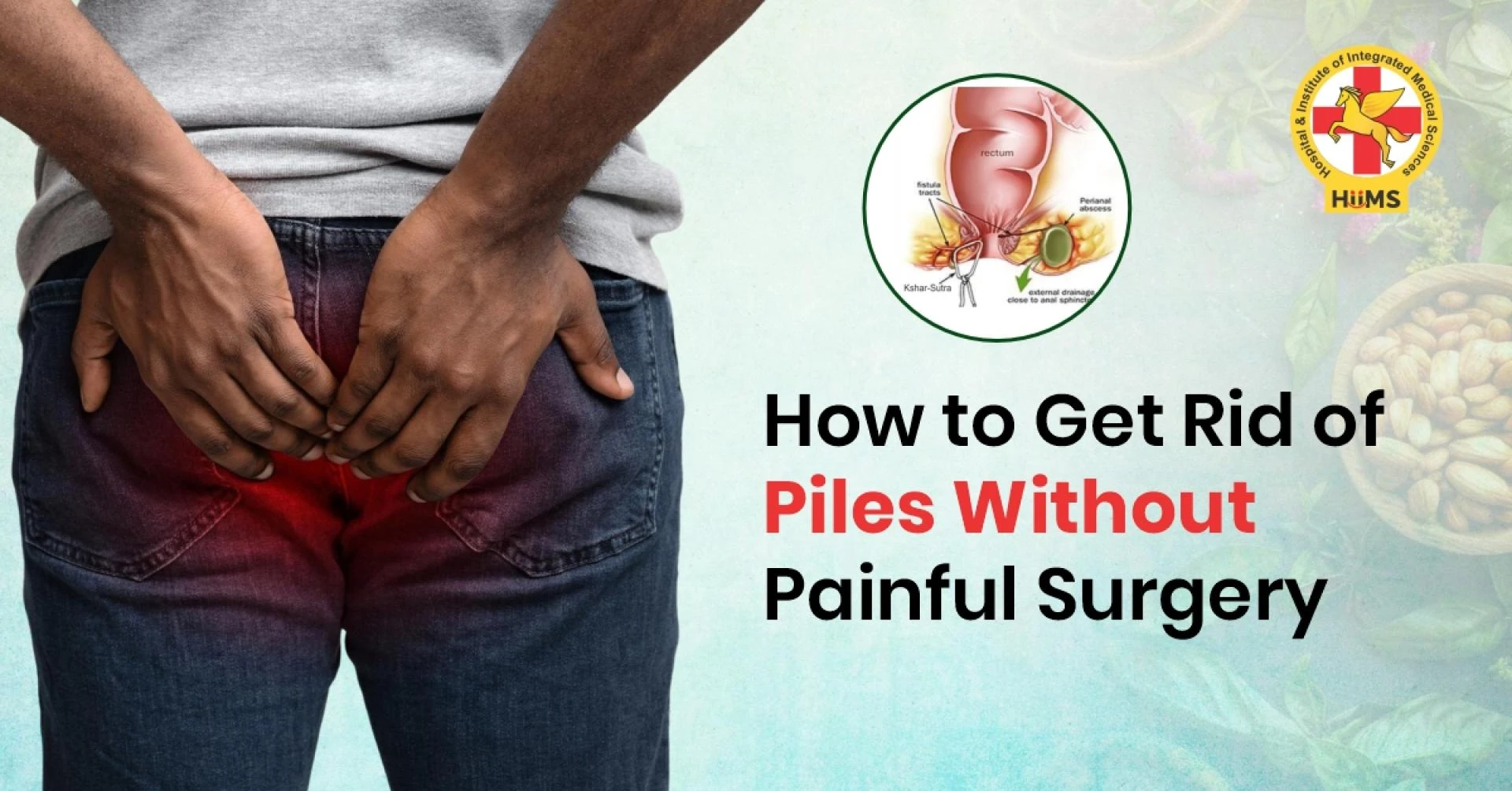
Piles, also known as hemorrhoids, are a common health condition that many people hesitate to talk about. The problem occurs when veins in the lower rectum or around the anus become swollen and inflamed. This can lead to symptoms such as pain, itching, swelling, and sometimes bleeding during bowel movements. Because many individuals fear surgery, they often postpone piles treatment, which may cause the condition to worsen over time.
Fortunately, piles can often be managed without undergoing painful surgical procedures. With the right lifestyle changes, proper care, and suitable treatment options, it is possible to reduce symptoms and improve comfort.
Understanding Piles
Piles develop when excessive pressure is placed on the veins in the rectal area. This pressure causes the veins to stretch and swell, leading to discomfort. Piles may occur inside the rectum (internal piles) or around the outer area of the anus (external piles).
Although the condition may start with mild irritation, ignoring early symptoms can allow the problem to progress and cause more noticeable discomfort.
Common Causes of Piles
Several lifestyle and health-related factors can contribute to the development of piles.
Chronic Constipation
Frequent straining during bowel movements places extra pressure on the rectal veins.
Low-Fiber Diet
A lack of fiber in the diet can lead to hard stools and difficulty during bowel movements.
Prolonged Sitting
Sitting for long periods, particularly on the toilet, can increase pressure around the anal region.
Pregnancy
The growing uterus during pregnancy can create additional pressure on the veins in the pelvic area.
Lack of Physical Activity
A sedentary lifestyle can slow down digestion and increase the chances of constipation.
Symptoms That Should Not Be Ignored
The symptoms of piles may vary from person to person. While some individuals experience mild discomfort, others may notice more visible signs.
Common symptoms include:
- Pain during bowel movements
- Rectal bleeding
- Itching or irritation near the anus
- Swelling around the anal region
- A small lump near the anal opening
- A feeling of incomplete bowel movement
If these symptoms persist for several days, seeking professional advice becomes important.
Non-Surgical Approaches for Piles Treatment
In many cases, piles can be managed through simple lifestyle adjustments and supportive care.
Healthy Diet
Consuming fiber-rich foods such as fruits, vegetables, whole grains, and legumes can help soften stools and improve digestion.
Adequate Hydration
Drinking enough water helps maintain smooth bowel movements and prevents constipation.
Regular Physical Activity
Daily exercise or walking supports digestive health and reduces the risk of piles worsening.
Medical Support
Doctors may recommend certain medications or topical treatments to reduce inflammation and discomfort.
Ayurvedic Approaches
Some traditional Ayurvedic methods focus on addressing the underlying cause of piles while promoting the body’s natural healing process.
Kshar Sutra Therapy: An Ayurvedic Approach
Among the Ayurvedic methods used for anorectal conditions is Kshar Sutra therapy. This technique involves the use of a specially prepared medicated thread coated with herbal alkaline substances.
During the procedure, the thread is applied to the affected tissue. Over time, it helps reduce the swollen tissue while allowing the surrounding area to heal gradually. The method combines mechanical action with herbal support, which helps remove unhealthy tissue and encourages natural recovery.
Benefits of Kshar Sutra Therapy
Many individuals consider this approach due to several potential advantages:
- Minimally invasive technique
- Reduced bleeding compared to conventional surgery
- Faster recovery time
- Lower chances of recurrence
- Quicker return to daily activities
When performed by trained professionals, this therapy may help manage piles and other anorectal conditions effectively.
When to Seek Medical Advice
Although mild piles may improve with lifestyle changes, medical consultation is recommended if you experience:
- Continuous rectal bleeding
- Severe pain
- Symptoms lasting longer than a week
- Noticeable swelling or lumps around the anus
Early diagnosis allows timely piles treatment and helps prevent complications.
Conclusion
Piles can affect daily comfort and overall quality of life, but ignoring the symptoms may worsen the condition. Understanding the causes and recognizing early warning signs can help individuals take the right steps toward effective management.
With appropriate lifestyle improvements, supportive care, and treatment options, many people are able to control piles without undergoing surgery. Early attention and proper guidance can make a significant difference in recovery and long-term health.
For more information or assistance, feel free to reach out at [email protected] or call +91 82704 82704.