
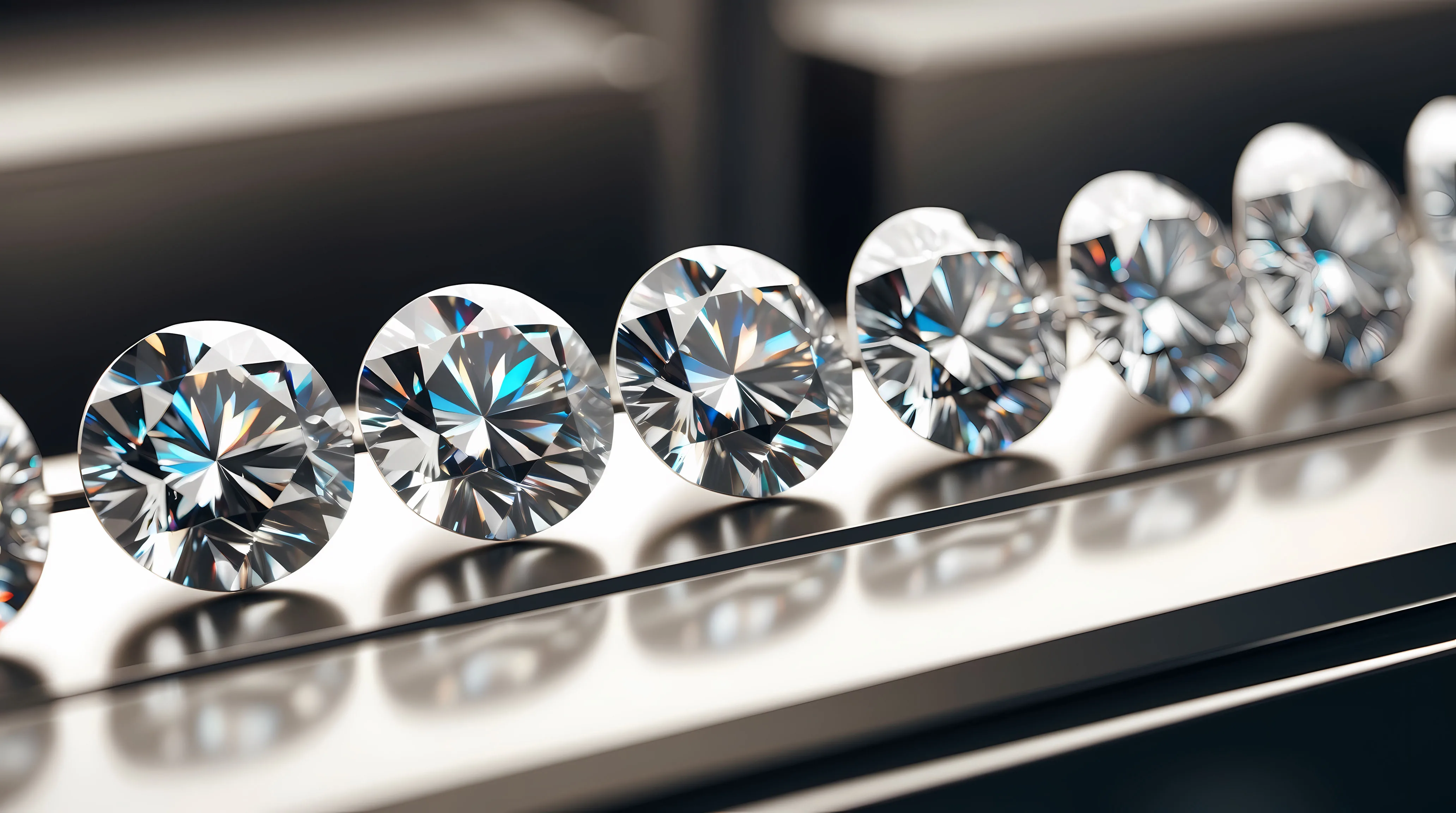
Buying a natural loose diamond gives you the flexibility to choose a stone that matches your budget, preferred design, and quality expectations. Whether you are planning an engagement ring, upgrading existing jewelry, or creating a custom piece, understanding the Loose Diamonds Price range and the factors behind it can help you make a more confident purchase.
Natural loose diamonds are available in different carat weights, shapes, colors, and clarity grades. Even two diamonds that look similar can have different prices because of their cut quality, grading characteristics, certification, and market availability. Comparing these details before purchasing helps you understand what you are paying for and identify a diamond that offers the right balance of beauty and value.
What Determines the Price of Natural Loose Diamonds?
The price of a natural loose diamond depends on several characteristics rather than a single measurement. Understanding these factors makes it easier to compare stones and recognize why their prices differ.
1. Carat Weight
Carat measures a diamond's weight, not its physical size. Larger natural diamonds of comparable quality are generally less common, so their price per carat may be higher than that of smaller stones.
For example, a 1-carat diamond and a 2-carat diamond will not necessarily have prices that are directly proportional to their weight. The difference also depends on cut, color, clarity, and the specific characteristics of each stone.
If you have a fixed budget, compare diamonds across a few nearby carat weights. A slightly smaller diamond may offer an appealing appearance while leaving more room in your budget for cut quality or other preferred features.
2. Cut Quality
Cut quality influences how a diamond interacts with light. A well-cut diamond can display attractive brightness, fire, and scintillation, while a poorly proportioned stone may appear less lively.
Cut grades and available measurements vary by shape and grading organization. When shopping for round brilliant diamonds, review the available cut grade, proportions, polish, and symmetry. For fancy shapes, examine the actual diamond carefully because a single overall cut grade may not tell the complete story.
3. Color Grade
Diamond color grading for white diamonds generally measures how close a stone is to colorless. On the commonly used D-to-Z scale, D represents colorless, while lower grades show increasing degrees of color.
Higher color grades can command higher prices, but the visible difference between neighboring grades may be subtle. The diamond's shape, size, setting, and viewing conditions can also influence how its color appears.
Comparing several color grades in person or through reliable images can help you determine whether paying more for a higher grade is worthwhile.
4. Clarity Grade
Clarity describes internal features called inclusions and external characteristics known as blemishes. These characteristics differ in size, number, position, and visibility.
Flawless and internally flawless diamonds occupy the highest clarity categories, while VS and SI grades include varying degrees of inclusions. Some VS and SI diamonds may look clean to the unaided eye, but this depends on the individual stone.
A higher clarity grade is not automatically the best choice for every buyer. Review the grading report and inspect the diamond to determine whether its inclusions affect its appearance.
How Much Do Natural Loose Diamonds Cost?
There is no single price that applies to all natural loose diamonds. The cost can vary substantially depending on carat weight, cut, color, clarity, shape, certification, and the seller's inventory and pricing policies.
Online listings may also differ because of market conditions, stock availability, and the characteristics of the specific stones being offered. For this reason, a broad price estimate should be treated as a starting point rather than a guaranteed market value.
To understand the current price of a particular diamond, compare listings with closely matched specifications. Check the date of the quoted price, the currency, the grading laboratory, and whether taxes or other charges are included.
Why Similar Diamonds Can Have Different Prices
Two natural diamonds with the same carat weight may still have different prices because:
- One has better cut quality or more appealing proportions.
- Their color or clarity grades differ.
- Their shapes have different market demand or cutting requirements.
- Their grading reports come from different laboratories.
- Their availability and sellers' pricing strategies differ.
These differences make it important to compare the complete specifications rather than judging a diamond by carat weight alone.
Where to Buy Natural Loose Diamonds for Sale
When searching for natural loose diamonds for sale, look for sellers that provide clear product details, reliable grading information, and transparent purchase terms. A well-presented listing should make it possible to understand what you are buying before placing an order.
Consider the following points when evaluating a seller:
- Detailed specifications: Look for carat weight, shape, color, clarity, measurements, and available cut information.
- Independent grading report: Verify the report number and confirm that it corresponds to the diamond being sold.
- Clear images or video: Review the stone's appearance, inclusions, and overall visual characteristics.
- Transparent pricing: Check the final price and identify any additional fees.
- Return and exchange policy: Understand the inspection period, eligibility requirements, and possible charges.
- Customer support: Choose a seller who can answer questions about grading, delivery, and product details.
DiamondHedge is an online destination where buyers can explore diamond information and compare available options. Before purchasing, review each listing carefully to ensure that the stone meets your expectations and budget.
How to Compare Loose Diamonds Prices Online
An organized comparison can help you avoid paying more for characteristics that do not meaningfully improve the diamond's appearance.
Follow these steps when reviewing available stones:
- Set your budget. Decide on a comfortable spending limit before browsing.
- Choose a preferred shape. Compare round, oval, princess, pear, and other shapes based on your design preferences.
- Narrow the carat range. Select stones with similar weights to make the comparison more useful.
- Compare cut, color, and clarity. Identify the characteristics that matter most to you.
- Verify certification. Review the grading report and confirm the listed specifications.
- Calculate price per carat. Divide the diamond's listed price by its carat weight. Use this as one comparison measure, not the sole indicator of value.
- Check the final cost. Include taxes, shipping, and any additional charges that apply.
- Review the return terms. Make sure you understand your options if the diamond does not meet expectations.
For example, if two 1-carat diamonds have different clarity grades but appear similarly attractive, inspect their cut quality and color before deciding whether the price difference is justified. The less expensive stone may be a better fit, provided its grading information and overall appearance meet your requirements.
Natural Loose Diamonds vs. Lab-Grown Diamonds
Buyers researching loose diamonds may also encounter lab-grown alternatives. Both natural and lab-grown diamonds consist of crystalline carbon and can share similar optical and physical properties, but their origins and market pricing differ.
Natural diamonds form through geological processes over long periods, while lab-grown diamonds are produced using specialized technology. Lab-grown diamonds generally cost less than comparable natural diamonds, although the difference depends on their specifications and current market conditions.
Your choice should reflect your preferences, budget, and reasons for buying. If geological origin is important to you, focus your comparison on natural diamonds with verified details. If budget and size are your main priorities, comparing both categories may help you understand the available options.
Tips for Getting Better Value When Buying Loose Diamonds
A lower price does not always mean better value, and a higher price does not guarantee a more attractive diamond. Use a balanced approach when choosing your stone.
- Prioritize cut quality and visual appearance.
- Compare multiple diamonds with similar specifications.
- Consider color and clarity grades that look appealing without exceeding your budget.
- Be flexible about carat weight if the design allows it.
- Check certification and seller policies before purchasing.
- Avoid making a decision based only on advertised discounts or urgency-based promotions.
Taking time to evaluate these details can help you find a natural loose diamond that suits your needs without compromising on the features you value most.
Conclusion
Understanding the Loose Diamonds Price range starts with knowing how carat weight, cut, color, clarity, certification, and market conditions influence the cost of natural diamonds. Since each stone has its own characteristics, comparing diamonds with similar specifications is the most useful way to evaluate available prices.
Before buying a natural loose diamond, verify its grading report, inspect its appearance, compare the total purchase cost, and review the seller's return policy. With careful research and a clear budget, you can choose a diamond that offers the right combination of quality, appearance, and value.
Frequently Asked Questions
1. What affects the price of natural loose diamonds the most?
Carat weight, cut, color, and clarity are major pricing factors. Shape, certification, market availability, and seller pricing policies can also influence the final cost.
2. Are loose diamonds cheaper than diamonds in rings?
Loose diamonds are not automatically cheaper than diamonds sold in rings. The final cost depends on the stone, setting, workmanship, retailer pricing, and any additional services included.
3. How can I find the best price for a natural loose diamond?
Compare stones with similar carat weights, cut characteristics, color grades, clarity grades, and certification. Check current listings, total costs, and return policies before making a decision.
4. Is diamond price per carat a reliable comparison method?
Price per carat is useful for comparing diamonds of different weights, but it does not account for every quality difference. Always consider cut, color, clarity, certification, and visual appearance.
5. Should I buy a certified natural loose diamond?
An independent grading report can provide important information about a diamond's characteristics. Verify the report with the issuing laboratory and confirm that it matches the specific stone you intend to purchase.