Why Musculoskeletal Ultrasound Is Transforming Modern Injury Diagnosis in Sewell, NJ
When pain or limited mobility affects your daily routine, receiving an accurate diagnosis quickly can make all the difference. Whether you're an athlete recovering from an injury, an active adult managing joint discomfort, or someone experiencing unexplained muscle pain, modern diagnostic imaging has significantly improved the evaluation process. One of the most advanced and patient-friendly imaging techniques available today is Musculoskeletal Ultrasound Mt. Laurel, offering detailed, real-time visualization of muscles, tendons, ligaments, joints, and soft tissues.
Understanding Musculoskeletal Ultrasound
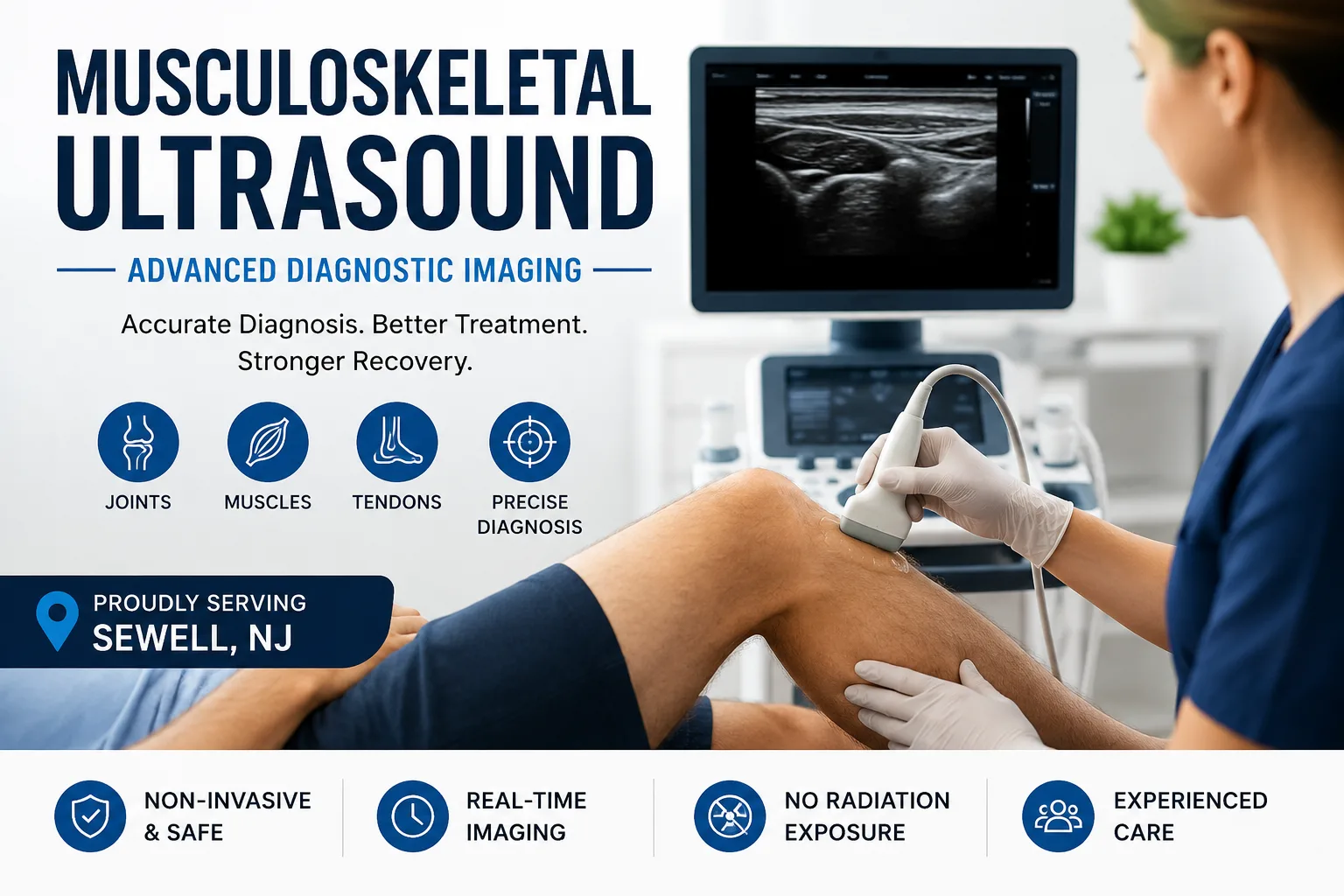
Musculoskeletal ultrasound is a non-invasive imaging method that uses high-frequency sound waves to produce clear images of soft tissues and joints. Unlike imaging techniques that rely on radiation, ultrasound provides a safe and comfortable experience while allowing healthcare providers to observe structures as they move.
This technology is particularly effective in diagnosing sports injuries, tendon tears, ligament damage, bursitis, muscle strains, joint inflammation, and various soft tissue abnormalities. Since images are captured in real time, clinicians can evaluate movement patterns and identify issues that may not be visible with static imaging methods.
Benefits of Choosing Advanced Ultrasound Imaging
One of the greatest advantages of ultrasound is its ability to deliver immediate insights during an examination. Patients often appreciate the convenience of receiving prompt evaluations without lengthy waiting periods.
Additional benefits include:
- Radiation-free imaging
- Fast and comfortable examinations
- Excellent visualization of soft tissue injuries
- Dynamic assessment during movement
- Cost-effective compared to many advanced imaging procedures
- Suitable for patients of all ages
These benefits make ultrasound an increasingly preferred diagnostic tool for musculoskeletal conditions.
Common Conditions That Can Be Evaluated
Musculoskeletal ultrasound is widely used to diagnose numerous orthopedic and sports-related conditions. Physicians may recommend this imaging technique for patients experiencing persistent pain, swelling, stiffness, or reduced mobility.
Some commonly evaluated conditions include:
- Rotator cuff injuries
- Tennis elbow
- Carpal tunnel syndrome
- Achilles tendon disorders
- Plantar fasciitis
- Knee ligament injuries
- Hip pain
- Shoulder instability
- Muscle tears
- Joint inflammation
Early diagnosis allows healthcare providers to create more targeted treatment plans, helping patients recover faster and avoid unnecessary complications.
Why Residents of Sewell, NJ Benefit from Early Imaging
Residents of Sewell, NJ lead active lifestyles, balancing work, recreation, and family responsibilities. Delaying evaluation for ongoing pain can result in worsening injuries and prolonged recovery times.
Early diagnostic imaging helps identify the exact cause of discomfort before the condition progresses. Whether symptoms stem from repetitive strain, sports participation, aging, or sudden injury, timely assessment allows healthcare providers to recommend personalized treatment options that support faster healing and improved long-term function.
Dynamic Imaging Offers Better Clinical Insight
Unlike traditional imaging that captures only still images, ultrasound enables providers to observe muscles, tendons, and joints while they are actively moving. This dynamic evaluation is especially useful for identifying conditions that only appear during specific movements.
Healthcare professionals can compare the affected area with the healthy side, evaluate inflammation, detect fluid accumulation, and guide certain therapeutic procedures with exceptional precision. This real-time capability enhances diagnostic confidence and supports more effective patient care.
Safe, Comfortable, and Patient-Friendly
Many patients appreciate the comfort of ultrasound examinations. The procedure is painless, does not involve injections in most cases, and typically requires minimal preparation.
A handheld transducer is gently moved across the skin using a conductive gel, allowing detailed images to appear instantly on a monitor. Most examinations are completed within a short period, making the process convenient even for individuals with busy schedules.
Because ultrasound does not expose patients to ionizing radiation, it can be safely repeated when ongoing monitoring is necessary.
Supporting Better Treatment Decisions
Accurate diagnosis is the foundation of successful treatment. Once healthcare providers identify the exact source of pain or dysfunction, they can develop individualized treatment strategies that may include physical therapy, rehabilitation exercises, medications, regenerative therapies, or minimally invasive procedures.
By understanding the severity and location of an injury, unnecessary treatments can often be avoided while improving recovery outcomes. This personalized approach helps patients return to normal activities with greater confidence.
Choosing the Right Diagnostic Provider
Selecting an experienced healthcare provider is just as important as choosing the right imaging technology. Expertise in musculoskeletal imaging ensures accurate interpretation and meaningful clinical recommendations.
Patients should look for providers who emphasize comprehensive evaluations, patient education, and individualized treatment planning. A collaborative approach between diagnostic imaging specialists and treating physicians contributes to better healthcare outcomes and a smoother recovery journey.
Final Thoughts
High-quality diagnostic imaging plays a critical role in identifying the source of pain and guiding effective treatment. For individuals in Sewell, NJ seeking accurate evaluation of muscles, tendons, ligaments, and joints, modern ultrasound technology offers a safe, efficient, and reliable solution. Advocare Aora is committed to delivering patient-centered diagnostic services with advanced imaging techniques that support accurate diagnoses and informed treatment decisions, helping patients move toward improved mobility and a healthier quality of life.