Auburn's warm climate makes outdoor living enjoyable for much of the year, but strong sunlight can quickly make a patio, porch, or sun-facing room uncomfortable. Large windows can also allow significant glare and heat into the home during the brightest parts of the day. Motorized exterior solar shades provide a practical way to manage these conditions while maintaining access to natural light and outdoor views.
Unlike interior window treatments, exterior shades are positioned outside the glass. This allows them to intercept sunlight before it reaches the window, helping reduce glare and solar heat gain. With motorized operation, homeowners can adjust the shades with a remote, smartphone, or compatible smart-home system rather than manually raising and lowering each one.
For Auburn homes with large windows, covered patios, screened porches, and other areas exposed to direct sunlight, this combination of exterior shading and convenient control can make a noticeable difference in how a space is used.
Why Exterior Solar Shades Make Sense in Auburn
The position of a shade matters when the primary concern is heat. An interior shade can filter sunlight after it has already passed through the glass, while an exterior shade blocks much of that direct exposure before it reaches the window.
This can be especially useful for windows that receive strong afternoon sunlight. Exterior shading can reduce glare, improve comfort, and help limit the amount of solar heat entering the building. Research summarized by the Building America Solution Center identifies exterior shading as an effective way to reduce solar heat gain and cooling loads while improving indoor comfort.
The benefits extend beyond temperature. Direct sunlight can also cause prolonged exposure to affect furnishings, flooring, artwork, and other interior surfaces. Selecting an appropriate solar shade fabric can help reduce that exposure while still allowing some daylight into the room.
What Are Motorized Exterior Solar Shades?
Motorized exterior solar shades Auburn AL are fabric window treatments installed outside a window, door, porch, patio, or other opening. An electric motor raises and lowers the shade, allowing the homeowner to control the amount of sunlight entering the space.
Because they are installed outdoors, these shades can be particularly useful for large openings where conventional interior treatments may not provide the same level of solar control.
Motorization adds another layer of convenience. Instead of walking from window to window, several shades can be operated together. Depending on the system, homeowners may also be able to use remote controls, smartphone apps, or voice commands through compatible smart-home platforms.
For hard-to-reach windows and large outdoor openings, that convenience can be just as important as the shading itself.
Keeping Outdoor Spaces More Comfortable
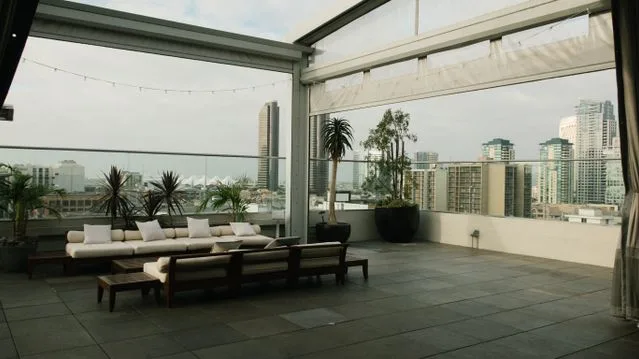
Auburn homeowners often want to make greater use of patios, porches, decks, and covered outdoor areas. However, direct afternoon sunlight can limit how long these spaces remain comfortable.
Exterior solar shades can create a more controlled environment by filtering sunlight before it reaches the seating area. A covered porch, for example, can become a more usable space for relaxing, dining, or entertaining when intense glare and direct sun are reduced.
The same principle applies to screened outdoor areas. Rather than completely enclosing the space, a solar shade can provide adjustable protection when the sun is strongest and then retract when more open views and sunlight are desired.
This flexibility is one of the main advantages of an adjustable exterior treatment. It allows the space to change throughout the day rather than remaining permanently shaded.
Choosing the Right Solar Shade Fabric
Fabric selection is an important part of designing an exterior shading system. Solar shade fabrics are available in different openness levels, which determine how much light can pass through the material and how much of the outside view remains visible.
A more open fabric allows greater visibility and filtered daylight. This can be useful when maintaining a connection with the yard or surrounding landscape is important.
A tighter weave provides greater solar protection and can reduce glare more substantially. This may be appropriate for windows or outdoor areas that receive particularly intense direct sunlight.
The right choice therefore depends on how the space is used. A homeowner who wants to preserve a backyard view may choose differently from someone whose primary concern is reducing afternoon heat and glare.
Protecting Interiors From Sun Exposure
Sunlight can contribute to fading and deterioration of furnishings over time. Floors, upholstery, artwork, rugs, and other interior materials can all be affected by prolonged exposure.
Exterior solar shades create another layer between the sun and the home's windows. By intercepting direct sunlight outside the glass, they can help reduce the amount of solar radiation reaching interior spaces.
This can be particularly useful in rooms with large windows or strong exposure during certain parts of the day. Rather than keeping curtains or blinds permanently closed, homeowners can use the exterior shades when sunlight is most intense and retract them when they want a clearer view.
Motorized Control for Everyday Convenience
One of the biggest differences between traditional exterior shades and motorized systems is how easily they can be adjusted.
A remote control can raise or lower a shade without requiring manual operation. Smartphone control can provide another option for homeowners who want to adjust their shades from different parts of the house.
Smart-home integration can take this further. Compatible systems may allow shades to respond to schedules or voice commands. For example, shades can be programmed to lower during the afternoon when direct sunlight reaches a particular side of the home and retract later when conditions become more comfortable.
Automated shading is also recognized as a useful way to manage solar exposure dynamically. Building science guidance notes that motorized shading systems can help automate control of solar gains based on changing conditions and schedules.
Considering Wind and Outdoor Conditions
Exterior shades have to perform in an environment that is more exposed than interior window treatments. Wind is therefore an important consideration when planning an installation.
Guide cables can be used on some systems to keep the fabric more stable and taut, particularly in open outdoor spaces such as patios and porches. The appropriate mounting method depends on the size of the opening, exposure, and design of the installation.
Homeowners should also consider how the shades will be used during severe weather. Retracting an exterior shade during periods of strong wind or storms can help protect the fabric and operating components.
A properly planned installation takes these conditions into account rather than treating every window or outdoor opening the same way.
Exterior Solar Shades for Different Parts of the Home
These shades can serve several purposes throughout an Auburn property.
Large living-room windows may benefit from reduced afternoon glare while maintaining an outdoor view. A covered porch can become more comfortable when direct sunlight is filtered. A patio can receive adjustable protection during peak afternoon hours without losing its open-air character.
They can also be useful around doors and other large glazed openings where traditional curtains may not provide enough solar control.
For commercial properties, exterior solar shades can be considered for restaurant patios, office windows, storefronts, and hospitality areas where direct sunlight can affect customer comfort, visibility, or interior conditions.
How to Choose the Right System
Start with the problem you want the shade to solve.
If heat and glare are the main concerns, consider a fabric designed to provide stronger solar protection. If preserving the outdoor view is more important, a more open fabric may make sense.
Next, consider the location of the opening. A sun-facing window may have different requirements from a shaded porch. An exposed patio may also require additional attention to wind stability.
Finally, think about operation. Manual shades can work well for simple installations, while motorization becomes particularly useful for multiple shades, large openings, high windows, and outdoor spaces that need frequent adjustment.
A More Comfortable Way to Manage Auburn Sunlight
Motorized exterior solar shades offer Auburn homeowners a flexible way to manage sunlight without permanently closing off their windows or outdoor spaces. By placing the shading system outside the glass, they can help address heat and glare at the point where direct sunlight reaches the home.
Fabric selection provides another level of customization, allowing homeowners to balance solar protection, natural light, privacy, and outdoor visibility. Motorized controls then make it easier to adjust those conditions throughout the day.
For a home with large windows, a sunny porch, or an outdoor space that becomes difficult to use during peak afternoon sun, exterior solar shades can provide a practical combination of comfort, convenience, and adaptable light control.