
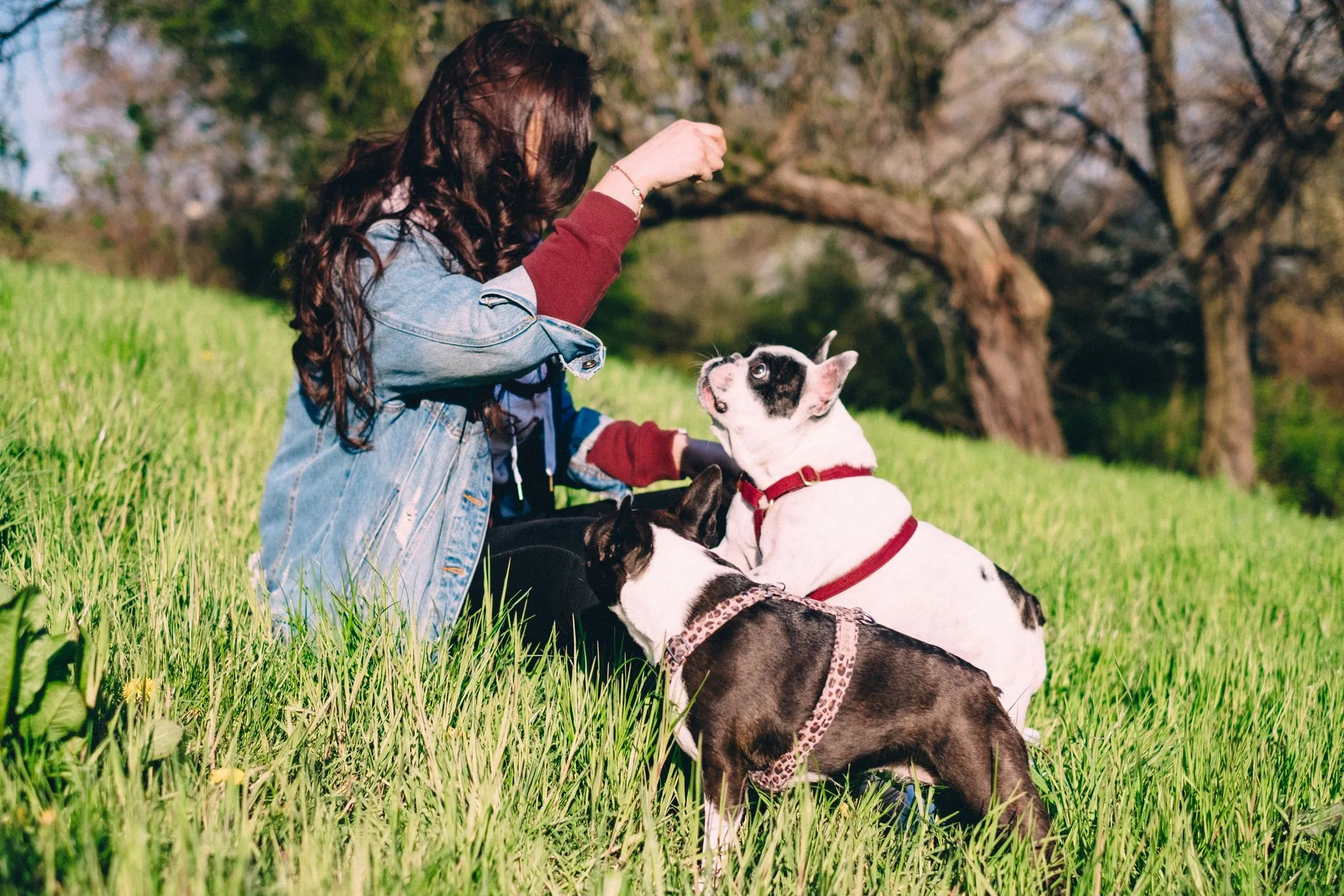
Picture dog training and most people see a simple swap — sit, biscuit, done. Not even close. It's really about decoding how a dog perceives the world, constructing genuine two-way communication, earning trust that can't be faked, and rebuilding habits around one specific animal's quirks and past. Slow work. Precise work. Patience isn't a virtue here; it's the raw material. That's exactly why it blindsides so many owners who figured they were signing up for something far simpler.
Understanding Canine Behavior and Communication
You can't train a dog you don't understand. Dogs don't reason morally — no guilt, no deliberate defiance, no scheming. They track patterns, timing, and immediate consequences. That dog hurling itself at every houseguest? Not rude. Overstimulated, starved for attention, or some mix of the two. Experienced trainers spend serious time reading signals most people blow right past — ear set, tail carriage, the faint muscle tension around a dog's eyes that means stress, not stubbornness. That kind of literacy reshapes everything. Without it, owners with the best intentions usually make things worse, not better, and never notice.
Laying the Groundwork: Trust and Safety First
You can't rush it. Trust, that is — it arrives on its own schedule, and pushing only delays it. A dog that doesn't feel safe won't absorb much of anything, so the environment has to be calm, predictable, stripped of whatever's spiking the anxiety. Some dogs need weeks of low-pressure, almost aimless hanging-around before a single formal command gets introduced. Here's the thing: a dog that spent its first two years being mistreated is a fundamentally different creature than a confident young lab bouncing into its first class. Same approach for both? Recipe for failure. Tone shifts. Pace shifts. Physical proximity gets adjusted — all of it calibrated to that specific dog's history and where it's sitting emotionally right now. What clicks for one animal can genuinely wreck another's progress.
Establishing Clear Communication and Consistency
Dogs thrive on clarity. Confusion is their enemy. If a dog learns not to jump on its owner but every other family member keeps encouraging it, there's no actual rule — just noise. Effective training pulls the whole household into one system: same commands, same cues, same reward timing. And timing matters enormously. Rewards have to land within seconds of the target behavior, or the dog simply can't connect action to outcome. That level of precision demands real, sustained focus — not just from whoever signed up for classes, but from everyone the dog interacts with daily.
Addressing Underlying Behavioral Issues
Owners usually show up with a specific complaint. Barking at 3 a.m. Aggression toward strangers. Furniture destroyed again. But those visible behaviors are almost always symptoms of something else. Barking can mean anxiety, boredom, territorial instinct, or something medical. Aggression often traces back to fear, inadequate socialization, or trauma. Good trainers don't just suppress the symptom — they dig. When did it start? What sets it off? What's already been tried? For dogs dealing with fear-based aggression or past trauma, practitioners of positive reinforcement dog training focus on building confidence and lowering stress through reward-based methods rather than correction or force. A dog destroying the sofa because it's anxious needs an anxiety plan. Blocking sofa access fixes nothing.
Exercise, Mental Stimulation, and Lifestyle Management
Structured sessions are only part of the picture. A chronically under-exercised dog will struggle to focus. A mentally bored one invents its own entertainment — usually destructive. Trainers often audit a dog's daily routine and suggest real adjustments: different exercise intensity, puzzle feeders, scent work, activities that channel natural instincts rather than suppress them. Diet, sleep, household rhythm — all of it factors in. Training doesn't happen in a vacuum. A dog whose basic needs go unmet can't reasonably be expected to perform in any context.
Conclusion
Dog training is a genuine discipline. Not a trick. It demands real understanding of how dogs process the world, trust that takes time to earn, household-wide consistency, root-cause investigation into behavioral problems, and holistic lifestyle management. Professional trainers bring behavioral knowledge and genuine flexibility to every animal they work with — collaborating with owners rather than just instructing them. When people grasp the full scope of what's involved, their expectations shift. They become better partners to their dogs. And they get far better at recognizing when to call in someone who can actually help.