
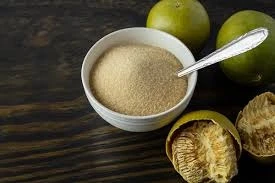
The quest for healthier sugar alternatives has led many people to explore natural, low-calorie sweeteners. One of the most popular choices today is monk fruit sweetener, prized for its natural origins and zero-calorie profile. Among the leading brands in this space, Lakanto Monk Fruit Sweetener stands out for its quality and versatility, making it a household favorite for those seeking to cut down on sugar without sacrificing taste.
What is Monk Fruit Sweetener?
Monk fruit, also known as luo han guo, is a small melon native to southern China. For centuries, it has been used in traditional Chinese medicine for its soothing and healing properties. The fruit itself is naturally sweet due to compounds called mogrosides, which are up to 150–200 times sweeter than sugar.
Unlike artificial sweeteners, monk fruit extract is natural, contains no calories, and does not raise blood sugar levels—making it suitable for diabetics, keto dieters, and anyone aiming for healthier lifestyle choices.
Nutrition Profile
One of the standout features of monk fruit sweetener is its zero-calorie composition. Unlike sugar, it has no carbohydrates, fats, or proteins, making it an excellent option for calorie-conscious individuals.
- Calories: 0
- Carbohydrates: 0 g
- Fat: 0 g
- Protein: 0 g
Additionally, monk fruit’s mogrosides have antioxidant properties, offering health benefits beyond just sweetness. These compounds may help reduce oxidative stress, which is linked to aging and chronic diseases.
Safety of Monk Fruit Sweetener
When it comes to sugar alternatives, safety is a top concern. Monk fruit sweetener is recognized as Generally Recognized as Safe (GRAS) by the U.S. Food and Drug Administration (FDA). This designation means it has passed extensive safety evaluations.
Unlike some artificial sweeteners, monk fruit extract has not been linked to adverse side effects like headaches, digestive issues, or long-term health risks. Even in higher amounts, it is considered safe for children, adults, and pregnant women.
Lakanto Monk Fruit Sweetener further enhances safety by combining monk fruit extract with erythritol, a sugar alcohol that improves taste and texture while remaining gut-friendly for most people.
Best Uses of Monk Fruit Sweetener
Monk fruit sweetener is incredibly versatile and can be used as a substitute for sugar in countless recipes. Whether you’re baking, cooking, or just sweetening your coffee, it delivers the taste of sugar without the drawbacks.
Here are some of the best ways to use Lakanto Monk Fruit Sweetener:
- Baking: From cookies to cakes, it works well in most baked goods. Since it measures cup-for-cup like sugar, it’s easy to substitute in your favorite recipes.
- Beverages: Perfect for sweetening tea, coffee, smoothies, or homemade lemonade without adding calories.
- Cooking: Great for sauces, marinades, and salad dressings where a touch of sweetness is needed.
- Keto and Low-Carb Diets: Ideal for those following keto, paleo, or other low-carb diets, as it won’t disrupt ketosis.
- Everyday Use: Sprinkle on oatmeal, yogurt, or fruit for a natural sweet boost.
Why Choose Lakanto Monk Fruit Sweetener?
While several monk fruit products exist, Lakanto Monk Fruit Sweetener is often recommended because of its clean taste, consistency, and wide availability. It combines monk fruit with erythritol for a balanced sweetness that mimics sugar more closely than monk fruit extract alone.
Moreover, Lakanto offers a range of products—classic white, golden brown, powdered, and even specialty baking blends—giving consumers flexibility in how they use it.
Monk fruit sweetener is a safe, natural, and effective alternative to sugar, offering both health benefits and versatility in the kitchen. With Lakanto Monk Fruit Sweetener, you can enjoy your favorite foods and beverages guilt-free, without compromising on taste.
As health-conscious choices become more important in daily life, monk fruit sweetener stands as a sweet solution to a healthier lifestyle.