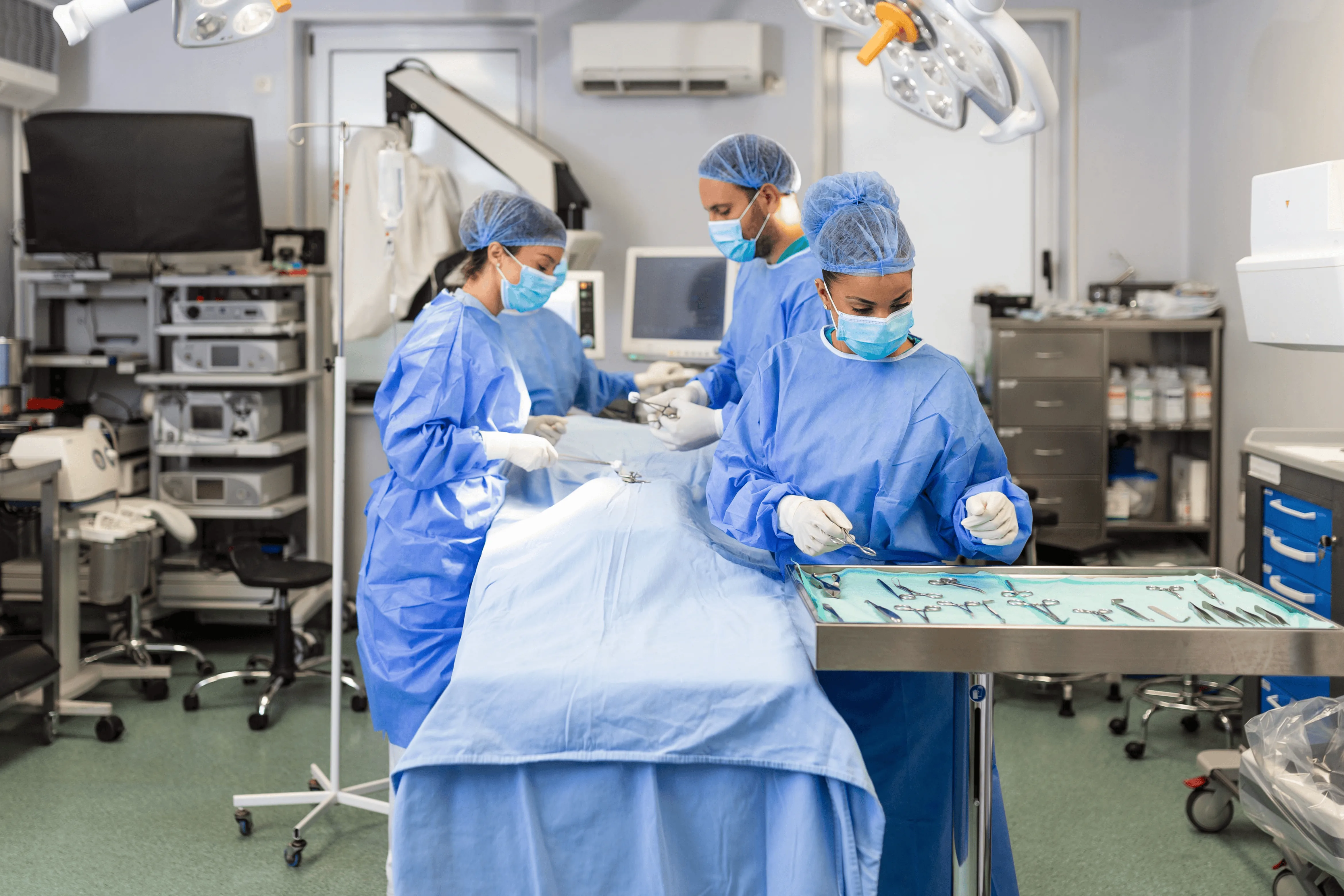
Surgery is an important part of modern healthcare. It helps diagnose, treat, and manage many medical conditions that cannot be resolved through medication or lifestyle changes alone. Advances in surgical techniques and medical technology have improved patient outcomes and made many procedures safer and less invasive than in the past.
Today, patients have access to a wide range of surgical options depending on their condition, age, medical history, and overall health. Understanding how surgery works and when it may be recommended can help individuals make informed healthcare decisions.
A general & laproscopic surgeon Shahdara may diagnose and treat a variety of conditions involving the abdomen, digestive system, soft tissues, and other areas of the body. These specialists often perform both traditional and minimally invasive procedures depending on the needs of each patient.
What Is General Surgery?
General surgery is a medical specialty focused on treating diseases, injuries, and conditions that may require surgical intervention. General surgeons receive extensive training in diagnosing medical problems and performing surgical procedures.
They commonly treat conditions involving:
- The digestive system
- The gallbladder
- The appendix
- Hernias
- Soft tissue infections
- Skin and subcutaneous tissues
Certain endocrine organs
General surgeons often work closely with physicians, radiologists, anesthesiologists, and other specialists to ensure patients receive comprehensive care.
Their role extends beyond performing operations. They also evaluate patients, explain treatment options, manage postoperative recovery, and monitor long-term outcomes when necessary.
Understanding Laparoscopic Surgery
Laparoscopic surgery is commonly referred to as minimally invasive surgery. Instead of making one large incision, surgeons perform the procedure through several small openings in the body.
A thin instrument called a laparoscope contains a small camera and light source. This camera sends real-time images to a monitor, allowing the surgeon to view the surgical area with precision.
Specialized instruments are inserted through additional small incisions to complete the operation.
Key Features of Laparoscopic Surgery
- Small incisions
- High-definition camera visualization
- Specialized surgical instruments
- Reduced tissue disruption
- Improved surgical precision
Many common procedures are now performed using laparoscopic techniques when appropriate.
Common Conditions Treated Through Laparoscopic Surgery
Laparoscopic methods are widely used for various surgical conditions.
Examples include:
- Gallbladder Disease
Gallstones can cause pain, inflammation, and digestive problems. When symptoms become significant, gallbladder removal may be recommended. - Appendicitis
An inflamed appendix often requires urgent surgical removal to prevent complications. - Hernias
A hernia occurs when an internal organ or tissue pushes through a weakened muscle wall. Surgical repair is often needed to prevent worsening symptoms. - Diagnostic Procedures
In some cases, surgeons use laparoscopy to investigate unexplained abdominal pain or other internal conditions. - Certain Gastrointestinal Conditions
Some intestinal and abdominal disorders may be treated using minimally invasive techniques.
The choice between laparoscopic and traditional surgery depends on several factors, including the patient's health and the complexity of the condition.
Benefits Often Associated With Minimally Invasive Surgery
Many patients experience advantages from laparoscopic procedures.
Potential benefits may include:
- Smaller scars
- Reduced postoperative discomfort
- Shorter hospital stays
- Faster recovery
- Lower risk of certain complications
- Earlier return to daily activities
However, every patient is different. Outcomes vary depending on the procedure and individual health circumstances.
When Should Someone Consult a Surgeon?
Many people delay seeking medical advice because they assume symptoms will disappear on their own. While some conditions improve with conservative treatment, others require prompt evaluation.
Patients should consider medical assessment if they experience:
- Persistent abdominal pain
- Recurring digestive discomfort
- Unexplained swelling
- Visible lumps
- Hernia symptoms
- Gallbladder-related pain
- Repeated infections
- Sudden severe abdominal emergencies
Early diagnosis often improves treatment options and may help prevent complications.
The Importance of Timely Surgical Evaluation
Ignoring symptoms can sometimes allow conditions to worsen over time.
For example:
- Untreated appendicitis can become a medical emergency.
- Hernias may enlarge and become more difficult to repair.
- Gallbladder disease can lead to repeated attacks and inflammation.
- Certain infections may spread if left untreated.
Seeking professional evaluation helps determine whether surgery is necessary or if other treatment options are available.
Women's Surgical Healthcare Needs
Women often face unique healthcare concerns that may require surgical consultation. In some cases, patients prefer to discuss sensitive health matters with a female surgeon.
A lady general surgeon Shahdara may provide consultations and treatment while helping patients feel comfortable discussing personal health concerns. Comfort and trust are important aspects of effective healthcare communication.
Female surgeons are trained to perform many of the same procedures as their colleagues while providing individualized care based on patient needs.
Common Surgical Concerns Among Women
Women may seek surgical consultation for conditions such as:
- Breast lumps
- Gallbladder disease
- Hernias
- Thyroid disorders
- Soft tissue growths
- Skin lesions
- Abdominal pain requiring evaluation
The appropriate treatment depends on a thorough examination and diagnostic testing.
Preparing for Surgery
- Preparation is an important part of the surgical process.
- Before surgery, patients are usually advised to:
- Discuss their complete medical history.
- Inform the surgeon about medications and supplements.
- Follow preoperative fasting instructions.
- Arrange transportation if required.
- Understand the procedure and recovery process.
- Complete recommended diagnostic tests.
Good preparation helps reduce risks and improves the overall surgical experience.
What Happens During a Surgical Consultation?
A consultation allows the surgeon to evaluate the patient's condition and discuss treatment options.
The appointment may include:
- Medical history review
- Physical examination
- Review of imaging studies
- Discussion of symptoms
- Explanation of treatment recommendations
- Questions and answers
Patients should feel comfortable asking questions during this process.
Questions Patients May Ask
Helpful questions include:
- Why is surgery being recommended?
- Are there alternative treatments?
- What are the risks and benefits?
- How long will recovery take?
- What restrictions will I have after surgery?
- When can normal activities resume?
Understanding these details helps patients make informed decisions.
Recovery After Surgery
Recovery time varies depending on the procedure performed and the patient's overall health.
Some individuals recover within days, while others may require several weeks.
Factors that affect recovery include:
- Age
- Medical history
- Procedure type
- Physical fitness
Postoperative care
Following medical instructions is one of the most important parts of successful recovery.
- Typical Recovery Recommendations
- Take medications as directed.
- Keep surgical wounds clean.
- Attend follow-up appointments.
- Stay hydrated.
- Follow dietary recommendations.
Gradually increase activity levels.
Patients should contact their healthcare provider if they experience unusual symptoms during recovery.
The Role of Technology in Modern Surgery
Medical technology continues to improve surgical care.
Innovations include:
- Advanced imaging systems
- High-definition laparoscopic cameras
- Improved anesthesia techniques
- Enhanced surgical instruments
- Digital patient monitoring
These advancements help surgeons perform procedures with greater precision while improving patient safety.
Choosing a Qualified Surgical Professional
Selecting the right healthcare provider is an important decision.
Patients should consider factors such as:
- Medical qualifications
- Surgical experience
- Communication style
- Hospital affiliations
- Patient comfort
- Availability of follow-up care
Open communication between patients and healthcare providers supports better treatment experiences and informed decision-making.
Conclusion
General and laparoscopic surgery play an important role in diagnosing and treating many health conditions. Advances in minimally invasive techniques have improved patient experiences by reducing recovery time and supporting faster healing for many procedures. Understanding common surgical conditions, treatment options, and recovery expectations can help patients make informed healthcare choices. Seeking timely medical evaluation and following professional guidance remain essential steps in maintaining good health and achieving positive surgical outcomes.