
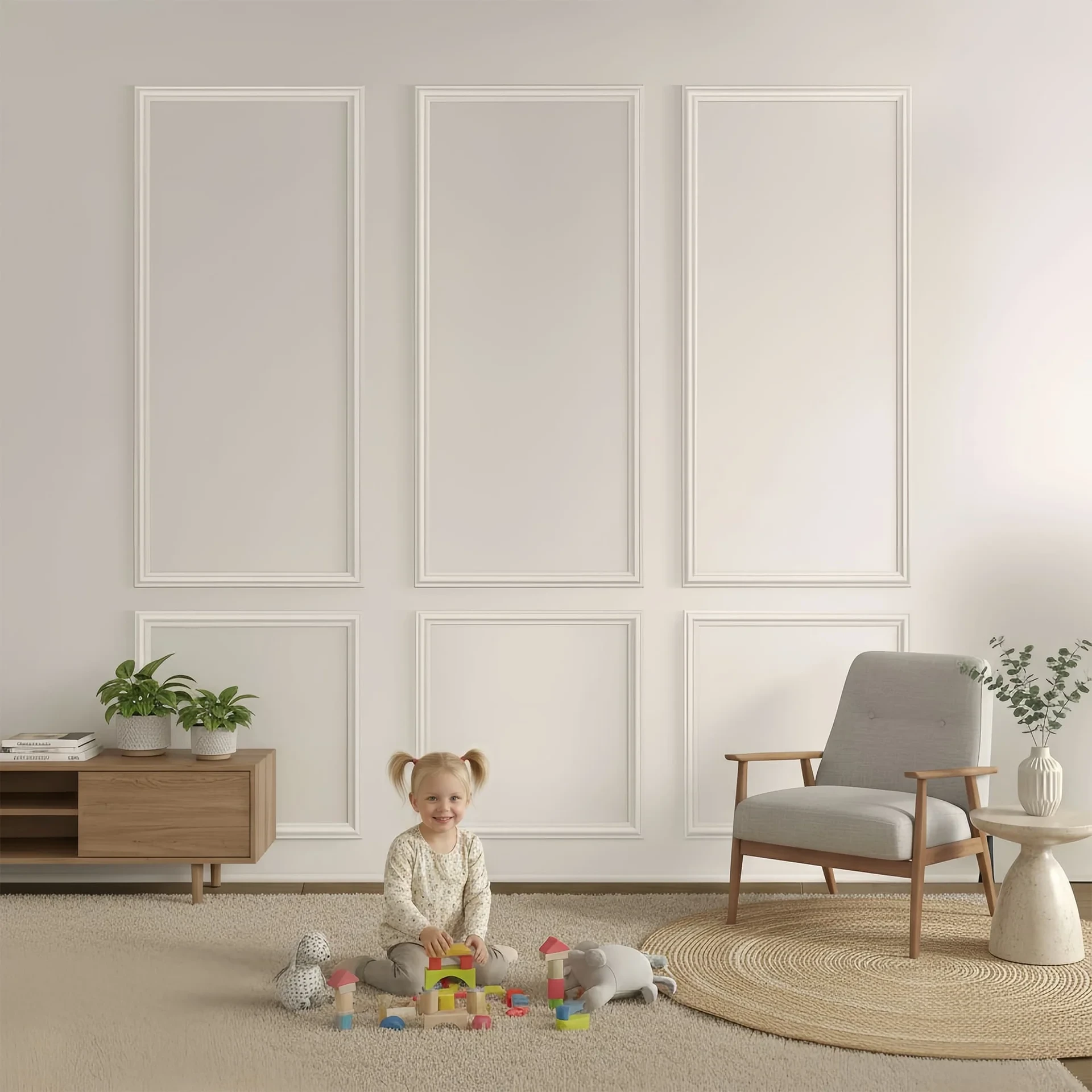
There is a certain satisfaction that comes from walking into a room and noticing the thoughtful details that make it feel complete. Interior wall trim, often overlooked by the casual observer, is precisely this kind of detail work that separates a house from a home that has been carefully considered. In contemporary design, wall trim has evolved far beyond the basic baseboards and crown moldings that merely cover transitions between surfaces. Today's modern interior wall trim serves as a deliberate design element that can define spaces, create visual interest, and add a level of sophistication that paint alone simply cannot achieve. Whether you are renovating a mid-century ranch or putting the finishing touches on a new build, understanding how to use trim effectively allows you to infuse personality and architectural character into every room. The beauty of working with trim is its versatility it can be as subtle or as statement making as you desire, adapting to your vision rather than dictating it.
Beyond Baseboards The Expanded Role of Trim
When most people hear the term wall trim, their minds immediately go to baseboards running along the floor. While baseboards remain an essential component of any finished room, modern interior design has expanded the role of trim to encompass so much more. Picture rails, once functional elements designed to protect walls from chair backs, have been reimagined as decorative banding that breaks up tall wall expanses. Window and door casings have grown beyond simple frames into opportunities for creating contrast and dimension. Even ceiling trim has evolved, with cove moldings and crown profiles being used in unexpected ways to draw the eye upward and emphasize room height. This expanded vocabulary of trim elements gives homeowners tremendous flexibility in how they shape their spaces. You might combine several trim types in a single room to create a cohesive architectural language, or you might select one distinctive element to serve as a focal point. The key is understanding that every piece of trim contributes to the overall composition of your room, working together to create a finished look that feels intentional and complete.
The Psychology of Shadow Lines and Depth
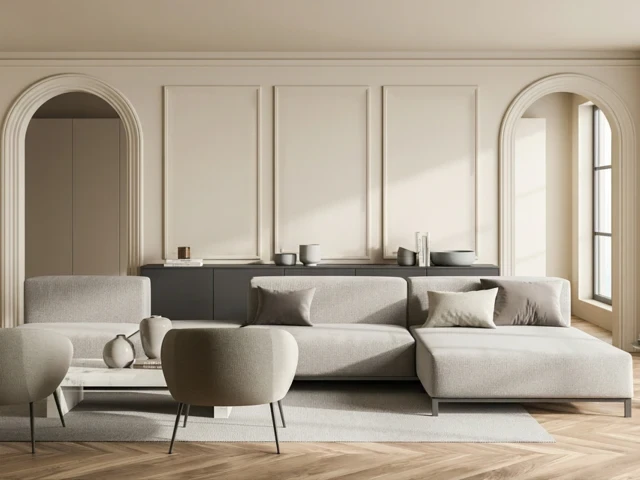
There is something almost magical about how the human eye responds to shadow lines and dimensional transitions on walls. Modern interior wall trim capitalizes on this psychological response, using the interplay of light and shadow to create spaces that feel more dynamic and engaging. When you install trim that projects even slightly from the wall surface, you introduce a constant state of visual change throughout the day. Morning light casts soft shadows in one direction, while afternoon sun creates entirely different patterns across the same surfaces. This ever shifting quality keeps a room feeling alive and interesting in ways that flat wall surfaces never can. Beyond the play of light, trim also creates a sense of depth that makes rooms feel more substantial. A wall with well considered trim reads as thicker, more permanent, more architecturally significant than its drywall only counterpart. This psychological perception translates into spaces that feel grounded and established, as though they have been part of the home's structure for decades rather than added during a recent renovation. Understanding this underlying psychology helps explain why well trimmed rooms consistently feel more finished and satisfying than those without.
Selecting Profiles for Contemporary Taste
Walking through the trim aisle at a home improvement store can be overwhelming, with rows upon rows of profiles that all look similar at first glance. Modern interior design, however, has clear preferences when it comes to trim selection that can help guide your choices. Contemporary tastes favor cleaner lines and simpler profiles than the heavily detailed Victorian and Colonial styles that dominated previous decades. This doesn't mean all trim must be flat and featureless rather, it means the detailing tends toward subtle reveals and gentle curves rather than deep carvings and ornate flourishes. A modern colonial profile, for instance, might incorporate a simple stepped design rather than multiple layers of intricate beading. For truly contemporary applications, many designers are turning to flat stock trim with crisp, square edges that create sharp shadow lines against walls. These minimalist profiles allow the geometry of your installation to take center stage rather than the ornamentation of the trim itself. The material choice also influences profile selection, with medium density fiberboard and polyurethane options offering smooth surfaces that paint beautifully and maintain their clean lines over time without warping or cracking.
Creating Flow Between Adjacent Spaces
One of the most sophisticated applications of modern wall trim involves using it to create visual continuity throughout your home. When trim styles and profiles are carried consistently from one room to the next, they establish a subtle thread that ties your entire living space together. This doesn't mean every room must have identical trim installations rather, it means the fundamental language of your trim choices should remain consistent. If you select a particular baseboard profile with a distinctive stepped detail, carrying that same profile throughout your main living areas creates cohesion even as wall colors and furnishings change. Door and window casings should also follow this consistent language, with the same reveal dimensions and corner treatments appearing throughout. For open concept floor plans, this continuity becomes even more critical. The trim becomes the visual glue that connects kitchen, dining, and living areas into a unified whole, preventing the space from feeling like a collection of separate rooms accidentally placed next to each other. This thoughtful approach to trim selection elevates your entire home, creating a sense of intentional design that feels both sophisticated and welcoming.
The Return of Contrasting Trim Colors
For years, the prevailing wisdom in interior design dictated that trim should be painted white regardless of wall color. While this classic approach certainly has its merits and remains appropriate for many traditional applications, modern design has embraced a more adventurous spirit when it comes to trim color. Painting trim in contrasting or complementary colors to the walls has emerged as a powerful way to make architectural details pop and add personality to spaces. Deep charcoal trim against pale gray walls creates a dramatic, graphic look that feels thoroughly contemporary. Forest green or navy blue trim can add richness and depth to a room, particularly when carried through on window casings and baseboards. Some designers are even experimenting with trim colors that pull accents from artwork or furnishings, creating cohesive color stories that tie rooms together in unexpected ways. The key to success with colored trim lies in commitment going halfway rarely works as well as fully embracing the look. When done well, contrasting trim transforms architectural details from background elements into featured players in your room's design, adding layers of interest that keep the eye moving and exploring.
Solving Architectural Challenges With Trim
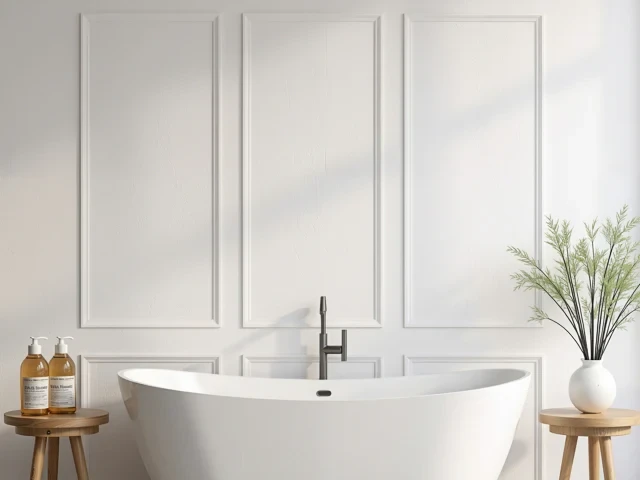
Every home has its architectural quirks, those odd corners, awkward transitions, and problematic areas where walls meet at unexpected angles or ceilings slope in unconventional ways. Modern interior wall trim proves remarkably effective at solving these challenges while adding style at the same time. A room with multiple window heights, for instance, can be unified by installing continuous trim elements that create visual connections between otherwise mismatched openings. Spaces where walls meet at angles other than ninety degrees benefit from custom cut trim that makes these intersections feel intentional rather than awkward. Even the challenge of transitioning between different flooring materials becomes an opportunity when you select transition trim that complements your wall treatments. In rooms with low ceilings, strategically placed vertical trim can create the illusion of height, drawing the eye upward and making the space feel more expansive. Conversely, in rooms with soaring ceilings, horizontal trim elements help ground the space and create human scale. By thinking of trim as a problem solving tool rather than merely decorative addition, you can address your home's unique architectural characteristics while simultaneously enhancing its aesthetic appeal.
Maintenance Considerations for Lasting Beauty
Investing time and money in quality wall trim installation deserves protection through proper maintenance, and modern materials have made this easier than ever. Unlike the solid wood trim of previous generations that required periodic sanding and refinishing, today's engineered options maintain their appearance with minimal effort. Regular dusting with a microfiber cloth or the brush attachment on your vacuum prevents buildup in crevices and keeps profiles looking crisp. For occasional deeper cleaning, a slightly damp cloth with mild soap addresses fingerprints and scuffs without damaging factory finishes. The painted surfaces on quality trim materials hold up remarkably well to everyday wear, though touching up nicks and dings remains simple with leftover paint from your original project. One often overlooked maintenance consideration involves monitoring for gaps that can develop as homes settle over time. A small bead of paintable caulk applied to any separation between trim and wall restores the seamless appearance quickly and effectively. With modern materials and proper care, your wall trim investment continues paying dividends in enhanced beauty for decades, requiring only the occasional attention that all well loved homes deserve.