In modern industrial operations, maintaining clean air and safe processing environments has become a major priority. Industries dealing with chemicals, manufacturing, pharmaceuticals, oil refining, and wastewater treatment require efficient filtration systems to remove contaminants and harmful gases. One of the most effective materials used for this purpose is Activated Carbon. Known for its exceptional adsorption capabilities, Activated Carbon plays a critical role in gas purification and chemical filtration processes across multiple industries.
Its porous structure and large surface area make it highly effective in trapping impurities, toxic gases, volatile organic compounds, and unwanted chemical substances. As environmental regulations become stricter and industries focus more on sustainability, the demand for advanced Activated Carbon filtration systems continues to increase worldwide.
Understanding Activated Carbon
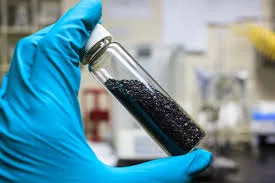
Activated Carbon is a specially processed form of carbon designed to have a highly porous surface. It is commonly produced from raw materials such as coconut shells, coal, peat, or wood through activation processes that enhance its adsorption capacity.
The main advantage of Activated Carbon lies in its ability to capture contaminants from gases and liquids. Tiny pores present in the material create an enormous internal surface area where pollutants become trapped. This unique property makes it suitable for industrial filtration systems that require high-performance purification.
Importance of Gas Filtration
Gas filtration is essential in industries where airborne contaminants can affect worker safety, equipment performance, and environmental compliance. Harmful gases released during manufacturing or chemical processing may include sulfur compounds, ammonia, chlorine, hydrogen sulfide, and volatile organic compounds.
Activated Carbon filtration systems help remove these contaminants before gases are released into the atmosphere. The adsorption process captures harmful molecules inside the carbon pores, allowing cleaner air to pass through the filtration system.
Industries commonly using Activated Carbon for gas filtration include:
- Petrochemical plants
- Pharmaceutical manufacturing
- Food processing units
- Oil and gas industries
- Chemical production facilities
- Waste treatment plants
- Automotive industries
The use of Activated Carbon helps industries maintain safer working environments while reducing environmental pollution.
How Activated Carbon Works in Chemical Filtration
Chemical filtration involves the removal of dissolved chemicals, impurities, and contaminants from liquids or gases. Activated Carbon is highly effective because it can adsorb both organic and inorganic substances depending on the type of carbon used.
The adsorption process occurs when contaminants adhere to the surface of the Activated Carbon particles. Unlike absorption, where substances penetrate into another material, adsorption traps pollutants directly on the carbon surface.
Several factors influence Activated Carbon performance in chemical filtration:
Surface Area
The larger the surface area, the more contaminants the Activated Carbon can capture. High-quality Activated Carbon contains millions of microscopic pores that significantly improve adsorption efficiency.
Pore Structure
Different contaminants require different pore sizes for effective filtration. Micropores are ideal for small gas molecules, while mesopores and macropores are better suited for larger chemical compounds.
Contact Time
Longer exposure between contaminated substances and Activated Carbon increases adsorption efficiency. Industrial filtration systems are designed to optimize this contact time.
Temperature and Humidity
Environmental conditions also impact performance. High humidity levels may reduce adsorption efficiency for certain gases, while temperature changes can affect filtration capacity.
Applications of Activated Carbon in Gas and Chemical Filtration
Air Purification Systems
Activated Carbon is widely used in industrial air filtration systems to remove odors, smoke, and harmful airborne chemicals. It is commonly installed in ventilation systems, industrial exhaust units, and air scrubbers.
Chemical Processing Plants
Chemical industries use Activated Carbon to purify gases and recover solvents during manufacturing processes. This helps improve production efficiency and environmental safety.
Water and Wastewater Treatment
Activated Carbon removes chlorine, pesticides, industrial chemicals, and organic pollutants from water supplies. It also helps reduce unpleasant odors and improves water quality.
Pharmaceutical Industry
In pharmaceutical manufacturing, Activated Carbon assists in removing impurities during chemical production and purification processes. It helps maintain product quality and regulatory compliance.
Oil and Gas Industry
Activated Carbon is used to remove sulfur compounds, hydrocarbons, and volatile organic compounds from industrial gases. This protects equipment and improves operational safety.
Advantages of Activated Carbon Filtration
There are several reasons why Activated Carbon remains one of the most preferred filtration materials worldwide.
High Adsorption Capacity
Its extremely porous structure allows Activated Carbon to adsorb a wide range of contaminants efficiently.
Versatile Applications
Activated Carbon can be used for both liquid and gas filtration in various industries.
Cost-Effective Solution
Compared to many advanced purification technologies, Activated Carbon filtration systems are relatively affordable and easy to maintain.
Environmentally Friendly
Many forms of Activated Carbon are produced using renewable raw materials such as coconut shells, making them environmentally sustainable.
Improved Safety and Compliance
Industrial facilities using Activated Carbon can better meet environmental regulations and maintain healthier workplaces.
Types of Activated Carbon Used in Filtration
Different filtration applications require different forms of Activated Carbon.
Granular Activated Carbon (GAC)
GAC is commonly used in water treatment and industrial gas purification systems due to its durability and high adsorption performance.
Powdered Activated Carbon (PAC)
PAC has smaller particle sizes and is often used for rapid treatment processes where fast adsorption is required.
Pelletized Activated Carbon
This form is widely used in air and gas filtration systems because of its low dust generation and excellent mechanical strength.
Impregnated Activated Carbon
Special chemicals are added to this type of Activated Carbon to improve its ability to remove specific gases and contaminants.
Factors Affecting Filtration Efficiency
To achieve maximum performance, industries must select the correct Activated Carbon type based on the contaminants involved. Improper selection may reduce efficiency and increase operational costs.
Regular monitoring and timely replacement of saturated Activated Carbon are also essential for maintaining filtration performance. Once the adsorption capacity is exhausted, the carbon becomes less effective at removing pollutants.
Proper system design, airflow management, and maintenance practices greatly influence the overall effectiveness of Activated Carbon filtration systems.
Future of Activated Carbon in Industrial Filtration
As industries continue focusing on sustainability and environmental protection, Activated Carbon technology is expected to evolve further. Researchers are developing advanced carbon materials with improved adsorption capabilities and longer service life.
The increasing demand for clean air, safe water, and eco-friendly manufacturing processes will continue driving the global use of Activated Carbon in gas and chemical filtration applications.
Modern innovations are also improving regeneration techniques, allowing used Activated Carbon to be recycled and reused more efficiently. This reduces waste and lowers operational costs for industries worldwide.
Conclusion
Activated Carbon has become an essential material in modern gas and chemical filtration systems due to its outstanding adsorption performance and versatile applications. From industrial air purification to chemical processing and wastewater treatment, Activated Carbon provides reliable solutions for removing contaminants and improving environmental safety.
Its ability to trap harmful gases, odors, and chemical pollutants makes it one of the most effective filtration materials available today. As environmental standards continue to rise, industries are increasingly investing in advanced Activated Carbon technologies to achieve cleaner operations and sustainable growth.
With ongoing innovations and expanding industrial applications, Activated Carbon will remain a key component in efficient gas and chemical filtration systems for years to come.