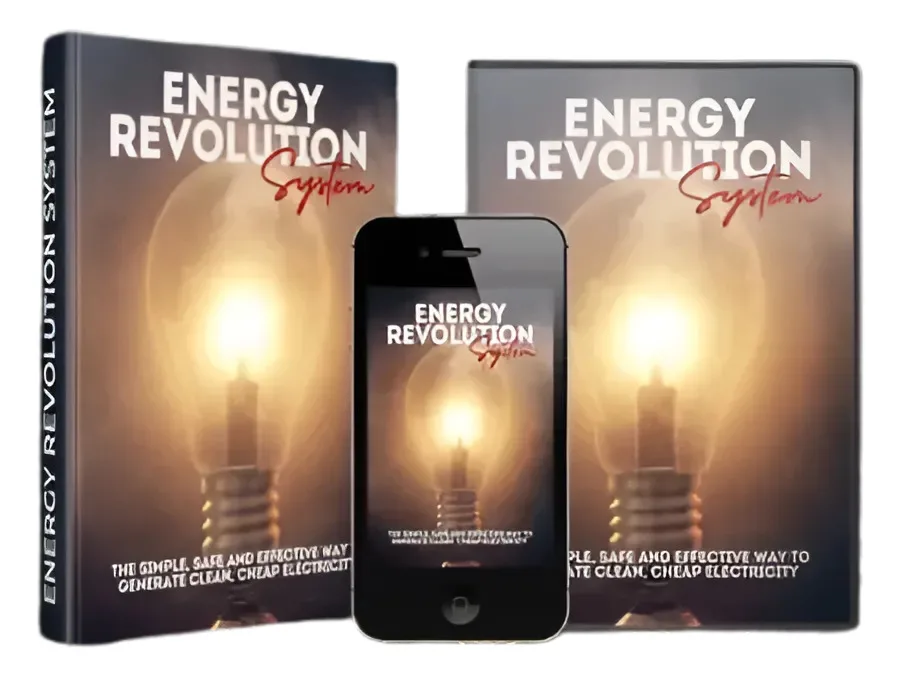
The rising cost of electricity and increasing concerns about energy security have pushed many homeowners to look for alternative ways to power their homes. Among the various solutions being discussed, the Energy Revolution System is promoted as a DIY, Tesla-inspired approach to generating electricity at home. According to its proponents, it offers a way to reduce dependence on traditional power grids, lower electricity bills, and move toward a more self-sufficient lifestyle.
This guide takes a detailed, balanced look at what the system claims to be, how it is described to work, its potential benefits, limitations, and what anyone should realistically consider before exploring such a solution.
What Is the Energy Revolution System?
The Energy Revolution System is presented as a do-it-yourself energy guide that allegedly teaches homeowners how to build a small-scale power generation setup inspired by early electrical concepts associated with Nikola Tesla.
It is marketed as a practical solution for people who want:
- Reduced electricity bills
- Backup power during outages
- Off-grid living capability
- Independence from rising utility costs
- A low-cost alternative to solar panels
Unlike conventional solar or wind energy systems, this approach is often described as being built from readily available materials and designed for non-technical users.
According to promotional descriptions, the system simplifies energy generation into a step-by-step process that anyone can follow at home without needing engineering expertise.
The Core Idea Behind the System
At its core, the Energy Revolution System is based on the idea of creating usable electrical energy through a simplified DIY generator concept. It is often described as being inspired by Tesla-style energy principles, although in practice, most such systems rely on basic electromagnetic or mechanical generation concepts.
The idea presented is straightforward:
- Build a compact energy-generating device
- Use it to supplement or reduce grid electricity usage
- Store or directly utilise the generated power for household needs
Supporters of the system claim that once built, it can help reduce reliance on utility electricity and provide ongoing savings.
However, it is important to note that claims involving “Tesla-inspired free energy” are often overstated in marketing materials, and real-world performance depends heavily on design, efficiency, and energy input requirements.
How the Energy Revolution System Is Said to Work
While different versions of similar DIY energy guides vary, the Energy Revolution System is generally described as using a combination of:
- Simple mechanical components
- Magnetic or coil-based setups
- Basic electrical wiring principles
- Energy conversion methods (mechanical to electrical)
The system typically breaks down the process into steps such as:
1. Assembly of Core Components
Users are guided to gather common materials like wires, magnets, copper coils, and small mechanical parts. The system emphasises affordability and accessibility.
2. Construction of a Generator Unit
The guide explains how to assemble a compact generator-like structure that converts motion or magnetic interaction into electrical energy.
3. Energy Output and Usage
The generated electricity is then used to power small devices or supplement household energy consumption.
4. Optional Storage Setup
Some versions include instructions for storing energy in batteries for later use.
While these steps sound simple, actual energy generation efficiency depends on engineering precision and energy input, which is often not deeply discussed in promotional summaries.
Claimed Benefits of the System
Promotional materials for the Energy Revolution System highlight several attractive benefits. These include:
1. Reduced Electricity Bills
One of the biggest claims is that users can reduce electricity costs by up to 80%. This is typically presented as a long-term outcome depending on usage patterns and setup efficiency.
2. Low-Cost Setup
Unlike solar panels or wind turbines, the system is said to require minimal investment in materials.
3. Easy DIY Construction
The system is marketed as beginner-friendly, with step-by-step instructions that supposedly require no prior technical knowledge.
4. Emergency Power Backup
It is promoted as a solution for blackouts or grid failures, providing basic backup electricity.
5. Off-Grid Living Potential
For users interested in rural or independent living, the system is positioned as a stepping stone toward energy independence.
6. Eco-Friendly Approach
Because it reduces reliance on fossil-fuel-based grid electricity, it is often labelled as environmentally friendly.
Who Is the Energy Revolution System Designed For?
The system is typically marketed toward:
- Homeowners facing high electricity bills
- People in areas with frequent power cuts
- Individuals interested in DIY engineering projects
- Off-grid living enthusiasts
- Budget-conscious families seeking alternatives to solar panels
It is especially appealing to beginners due to its simplified presentation and low-cost positioning.
Comparison With Solar Power Systems
To understand the system realistically, it helps to compare it with mainstream renewable solutions like solar energy.
Solar Energy Systems
- High initial installation cost
- Proven long-term efficiency
- Requires sunlight availability
- Professionally installed in most cases
- Government incentives in many regions
Energy Revolution System (as marketed)
- Lower upfront cost
- DIY installation
- Claims of immediate setup
- Limited verified performance data
- Not widely standardized or regulated
While solar technology is backed by decades of scientific research and real-world implementation, DIY energy systems like this often lack transparent efficiency benchmarks.
Realistic Expectations and Important Considerations
It is important to approach systems like the Energy Revolution System with a balanced perspective.
1. Energy Laws Still Apply
All energy systems must follow fundamental physics principles. Energy cannot be created freely without input; it must come from some source (mechanical, chemical, solar, etc.).
2. Output May Be Limited
DIY generators typically produce limited power, often enough for small devices rather than full household energy needs.
3. Marketing vs Reality
Claims like “80% bill reduction” are often based on ideal conditions or partial usage scenarios, not guaranteed outcomes.
4. Skill and Build Quality Matter
Even simple systems require careful construction. Poor assembly can reduce performance significantly.
5. Safety Is Important
Working with electrical components always carries risk. Proper insulation, safe wiring, and cautious handling are essential.
Environmental Impact
One of the attractive aspects of the Energy Revolution System is its claimed environmental benefit. By reducing reliance on grid electricity, users may indirectly reduce carbon emissions associated with power generation.
However, the overall environmental impact depends on:
- Materials used in construction
- Efficiency of the system
- How much grid electricity is actually offset
Compared to industrial renewable systems, DIY setups typically play a small but symbolic role in sustainability efforts.
Reported User Experiences
According to promotional narratives and user testimonials shared in marketing content, some users report:
- Lower electricity usage from the grid
- Successful small-scale device powering
- Useful emergency backup functionality
- Educational value in learning basic electrical concepts
At the same time, critical discussions often highlight that:
- Output may be lower than expected
- Results vary widely between builds
- It should not be considered a full replacement for utility power
As with many DIY energy systems, real-world results depend heavily on execution and expectations.
Pros and Cons Overview
Pros
- Low-cost entry point
- Beginner-friendly concept
- Educational DIY project
- Potential backup power source
- Encourages energy awareness
Cons
- Limited verified performance data
- Not a full replacement for grid electricity
- Marketing claims may be exaggerated
- Requires careful construction and safety awareness
- Output depends heavily on build quality
Frequently Asked Questions
Is the Energy Revolution System really based on Tesla technology?
It is described as “Tesla-inspired” in marketing materials, but it is not a verified Tesla invention or official system.
Can it really reduce electricity bills by 80%?
This is a promotional claim. Actual savings depend on usage, setup, and energy output, and may be significantly lower.
Do I need technical skills to build it?
It is marketed for beginners, but a basic understanding of wiring and safety is helpful.
Is it suitable for powering an entire house?
Most DIY systems of this type are more suitable for small devices or partial energy support rather than full household demand.
Final Thoughts
The Energy Revolution System is presented as an accessible, low-cost DIY approach to energy generation that promises independence from rising electricity costs. Its appeal lies in simplicity, affordability, and the idea of self-reliance.
However, like many alternative energy concepts, it is important to separate marketing claims from realistic engineering outcomes. While it may offer educational value and limited backup power potential, it should not be viewed as a complete replacement for established energy solutions like solar or grid electricity.
For anyone exploring this system, the most practical mindset is to treat it as a learning project and supplementary energy tool, rather than a guaranteed path to full energy independence.