Have you recently modified your vehicle? Maybe you added a roof rack, a bigger toolbox, new suspension, or a full camping setup. Whatever the change is, there's something you might not have thought about yet — your vehicle’s weight. That’s right. When we make changes to our vehicles, especially the big ones, it can affect how much it weighs and how safely it can carry or tow things.
That’s where mobile weighing comes in. It's a simple and helpful service that makes sure your vehicle stays safe, balanced, and legal on the road — even after you've added all those cool upgrades.
In this article, we’ll explore why weighing your vehicle after modifications is important, what mobile weighing is, and how services like Quickweigh make the whole process easy and stress-free. Let’s hit the road and dive into it!
Why Vehicle Modifications Change Everything
You might think adding a few accessories or gear here and there doesn’t make a big difference. But it really does. A roof rack, long-range fuel tank, drawer systems, new tires, extra battery, water tanks, or even heavy-duty bumpers can all add up quickly. Before you know it, your vehicle might be carrying way more than it should.
This matters because every vehicle has a weight limit. Go over it, and you're not just risking damage — you could be driving illegally without even knowing it. It could also affect your insurance, fuel use, braking, and tire wear.
Let’s break it down into simple terms.
What Is GVM, GTM, ATM, and GCM?
When people talk about vehicle weight, there are a few key terms that always come up. They might sound like confusing letters, but don’t worry — they’re easy to understand:
- GVM (Gross Vehicle Mass): This is the total weight your vehicle can legally carry. That includes the vehicle itself, plus everything inside — people, gear, fuel, accessories, everything.
- GTM (Gross Trailer Mass): This is the weight of your trailer when it’s fully loaded but hitched to your tow vehicle.
- ATM (Aggregate Trailer Mass): The total weight of the trailer when it's not hitched — just sitting on its own.
- GCM (Gross Combined Mass): This is the maximum total weight of your vehicle AND trailer together.
When you make changes to your vehicle, these numbers become even more important. And without checking the weight properly, you could accidentally go over the limit — and that can lead to problems down the road.
Why Mobile Weighing Is the Smart Choice
Imagine this: instead of driving to a weighbridge, lining up, and guessing what’s actually overweight, a team comes straight to you. That’s mobile weighing. It’s fast, easy, and incredibly helpful.
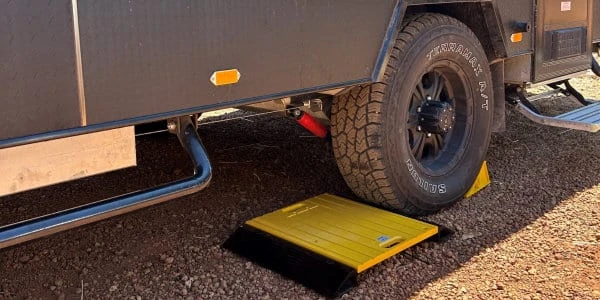
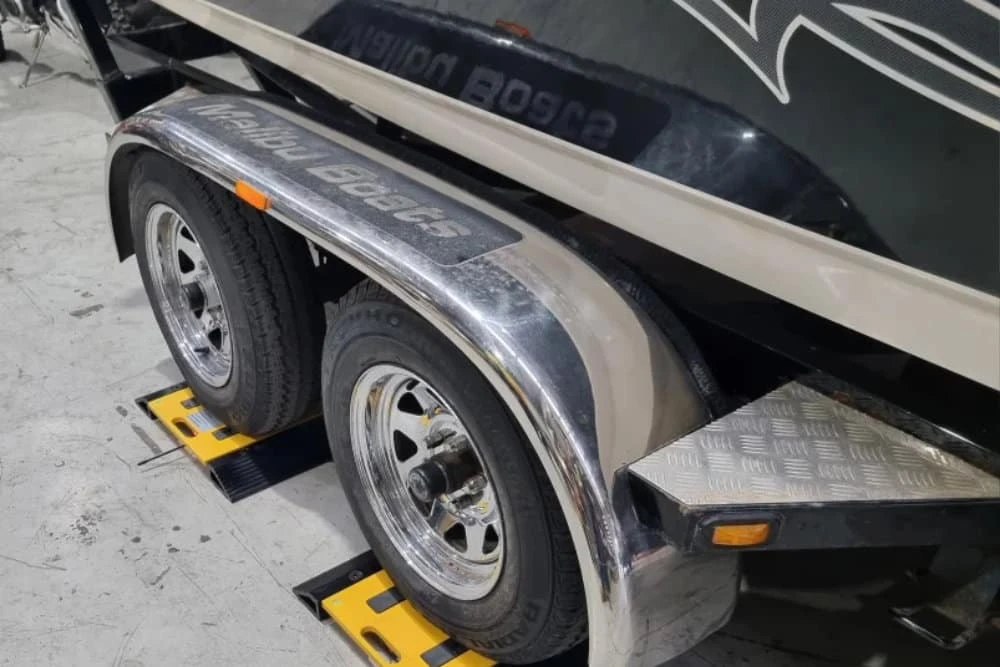
With services like Quickweigh, professionals bring portable, high-precision scales to your driveway, workshop, or even a campsite. They slide the scales under your tires, take measurements from all sides, and give you a clear report in just minutes.
This is perfect after modifications because:
- You get accurate weight info where you need it.
- It’s safer than guessing and hoping you’re under the limit.
- You avoid unnecessary trips to public weigh stations.
- You receive a full breakdown of how weight is distributed across your axles, trailer, and load.
Real-Life Examples of When You Need It
Let’s look at some common scenarios:
1. You Installed a New Rooftop Tent and Fridge
Those items can be heavier than you think. Add water tanks, a second battery, and a drawer system, and suddenly your GVM is at risk.
2. You Got a Lift Kit and Bigger Tires
It looks awesome — and rides better off-road — but it may also change your axle weight. That’s something you want to keep an eye on.
3. You’re Towing a Caravan or Boat
Your trailer may be under its limit, but your vehicle’s GCM might not be. With mobile weighing, you can be confident you’re good to go.
4. You Modified a Ute for Work
Toolboxes, ladders, fuel drums — tradespeople often carry a lot. A mobile weight check ensures your setup stays compliant, especially when visiting job sites.
The Danger of Guessing Your Weight
Guessing isn’t safe. Even if your car "feels" fine, that doesn’t mean it’s within legal or safe limits. Being overweight can:
- Shorten your braking distance
- Affect steering and control
- Wear down tires and suspension faster
- Cause fines or void insurance
- Lead to expensive breakdowns
Plus, if you ever get stopped by transport authorities, they can request an inspection. If you’re over your legal weight, they might fine you or prevent you from driving until it’s fixed. That’s a big risk — especially when mobile weighing is so easy to do.
What Happens During a Mobile Weighing Session?
You might wonder what the process looks like. Here’s how it usually works with a service like Quickweigh:
- Book an Appointment: You pick a day and time that suits you. The team comes to your location.
- Prepare Your Setup: Load your vehicle exactly how you plan to travel — gear, passengers, fuel, trailer — everything.
- The Weigh-In: They place portable scales under each wheel and trailer tire.
- Get Your Results: In minutes, you get a clear report showing GVM, GTM, ATM, GCM, axle weights, and how balanced your setup is.
- Expert Advice: If something’s over the limit, you’ll get guidance on how to fix it — maybe shifting gear or adjusting how things are loaded.
It’s that simple. No guessing. No stress. Just facts.
Why Balance Is Just as Important as Weight
It’s not just about how much weight you carry. It’s also about where the weight is. An unbalanced setup can be just as dangerous as an overloaded one.
Imagine this: You’ve packed most of your gear on the left side of your caravan or at the very back of your ute. This can cause sway, stress on the suspension, and even make your steering feel weird.
Mobile weighing helps fix this by showing how weight is spread out. From there, it’s easy to move items and make sure your setup is well-balanced and safe.
Towing? Then This Is a Must
If you tow a caravan, camper, boat, or even a tradie trailer — mobile weighing is essential.
Towing changes how weight is handled. Your rear axle takes more load. The trailer’s tow ball weight adds pressure. The combined mass (GCM) could sneak past the limit.
A mobile weighing check lets you:
- Confirm your vehicle is towing legally
- Avoid trailer sway caused by incorrect ball weight
- Make better travel plans with peace of mind
- Know exactly what needs adjusting
It’s the kind of small check that makes a big difference, especially on long trips.
When Should You Re-Weigh?
We recommend weighing your vehicle:
- After every major modification (e.g., new suspension, roof racks, added gear)
- Before big trips, especially if towing
- When changing trailers or equipment
- Every 6–12 months, just to stay safe
Even minor changes like different tools, a new passenger, or extra water tanks can tip the balance.
How Quickweigh Makes It Easy
Quickweigh offers a convenient way to know your weight situation without hassle. Their mobile weighing team brings everything to your location — no need to travel far or stand in line.
Their reports are easy to read and understand, with all the numbers explained in plain terms. Best of all, they help you take action if something’s off. You won’t be left guessing or trying to figure it out alone.
Final Thoughts
Vehicle modifications are exciting — they help us do more, go further, and enjoy the road in our own way. But with every change, it’s smart to make sure we’re still within the safe and legal weight range.
Mobile weighing gives you that confidence. It’s fast, accurate, and helps you avoid costly mistakes. Whether you’re a weekend adventurer, a daily tradie, or a long-distance traveler, weighing your vehicle after any modifications is one of the smartest moves you can make.
With services like Quickweigh, checking your vehicle’s weight has never been easier. Stay safe, stay legal, and enjoy the ride.