
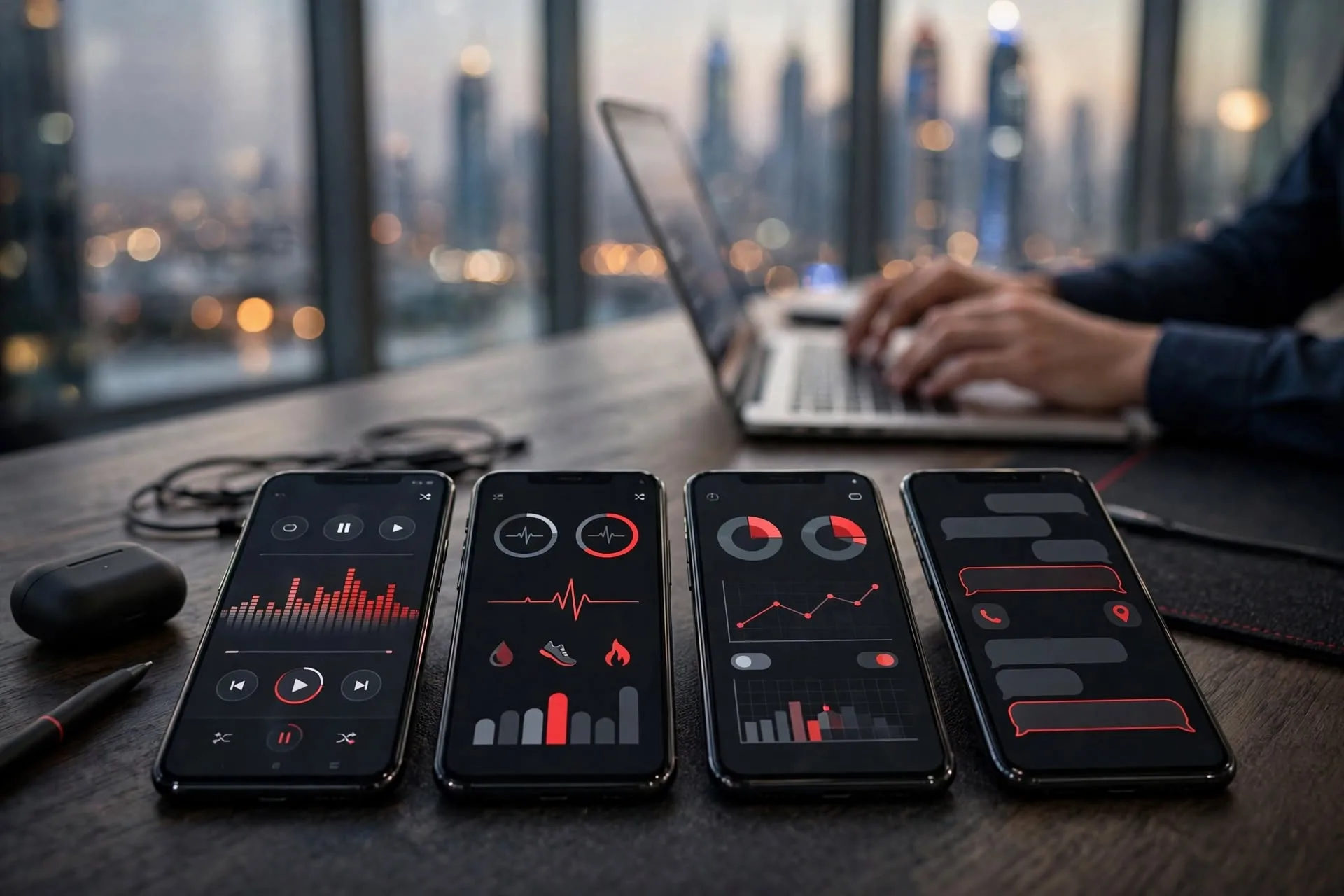
The mobile gaming industry continues to create new opportunities for brands, entertainment businesses, and technology companies. A professional mobile game development company can turn an original idea into an engaging digital experience by combining creative design, technical planning, interactive storytelling, and reliable development. Mobile games are no longer limited to simple entertainment. They can support marketing campaigns, educational programs, branded experiences, customer engagement, and interactive storytelling. Successful projects begin with a clear understanding of the audience, the purpose of the game, and the experience players should receive from the first interaction.
The growth of smartphones has also changed how people consume digital content. Players expect fast loading, smooth controls, attractive visuals, and simple navigation. Businesses therefore need development teams that understand both entertainment and technology. A well planned project can create an experience that feels enjoyable while also supporting measurable business goals.
Turning an Idea Into a Game Concept
Every successful game starts with a strong concept. The idea needs to define the target audience, gameplay style, visual direction, platform, and overall objective. Developers and creative teams can then transform the initial concept into a practical game design document that explains characters, environments, missions, rewards, controls, and progression.
Concept development is important because unclear planning can create problems later. A detailed foundation helps designers and programmers understand what they are building before production begins. It also allows businesses to review the direction and make changes while development is still flexible.
Creative storytelling can make a game more memorable. Characters should have clear roles, environments should support the story, and gameplay should provide meaningful reasons for players to continue. Even a short branded game can benefit from a strong narrative structure.
Combining Art Animation and Technology
Visual quality plays an important role in modern games. Character design, environment creation, animation, lighting, interface design, and visual effects work together to establish the identity of a game. High quality assets can make a digital experience feel professional and consistent across different screens.
Animation also improves communication inside gameplay. Character movements can provide feedback, while environmental effects can create atmosphere. Interactive elements should respond naturally to player actions so that controls feel clear and satisfying.
Technology supports these creative elements. Programmers build gameplay systems, user interfaces, interactions, scoring systems, sound integration, and other technical features. A coordinated team can connect artistic direction with technical performance instead of treating them as separate stages.
Developing for Different Platforms
Mobile games must be designed with different devices and operating conditions in mind. Screen sizes, processing capabilities, operating systems, storage limitations, and network conditions can affect how a game performs. Development teams need to consider these differences during planning rather than waiting until the final testing stage.
Cross platform development can help businesses reach a wider audience. However, a consistent experience does not mean every device should be treated exactly the same. Interface elements may require adjustment, while performance settings can be optimized according to hardware capabilities.
Responsive controls and efficient resource management are especially important. Players are more likely to continue using a game when loading times are reasonable and interactions remain smooth.
Testing Performance and Player Experience
Testing is one of the most important stages of game production. A development team needs to examine gameplay, navigation, controls, performance, visual quality, sound, compatibility, and possible technical errors. Testing should happen throughout development instead of being left until the final stage.
User feedback can reveal problems that technical testing may not identify. Real players may struggle with instructions, find a level too difficult, or misunderstand an interface element. These observations can help developers improve the experience before launch.
Performance testing is equally important. Memory usage, loading times, battery consumption, screen responsiveness, and device compatibility can influence user satisfaction. A polished game should provide a reliable experience across its intended audience.
Why Professional Development Matters
Professional development brings together creative thinking, technical expertise, project planning, and quality assurance. A mobile game development company can help businesses move from an early concept to a functional product while considering gameplay, visual identity, technology, and user expectations.
The strongest projects are developed through collaboration. Designers, artists, developers, strategists, and clients need to share feedback throughout production. This approach helps reduce confusion and keeps the final experience connected to the original purpose.
For businesses working across digital media, games can also become part of a broader creative strategy. A game may work alongside video, animation, social media, applications, or other interactive content. When these experiences share a consistent identity, they can strengthen audience engagement across multiple channels.
Conclusion
Mobile gaming provides businesses with a powerful way to create interactive experiences that combine technology, creativity, and storytelling. From concept planning and game design to animation, programming, testing, and launch preparation, every stage contributes to the final player experience. Working with a professional video production company uae can also help businesses connect game experiences with wider visual campaigns and digital content. When creative development and technical planning work together, mobile games can become valuable tools for entertainment, communication, engagement, and brand storytelling.
FAQs
What makes a mobile game successful?
A successful game usually combines clear gameplay, attractive design, responsive controls, technical reliability, and a strong understanding of its target audience. Regular testing and user feedback can also improve the final experience.
How long does game development take?
The timeline depends on the complexity, number of platforms, gameplay systems, artistic requirements, and testing needs. A simple project can take much less time than a large interactive game with advanced features.
Can businesses create branded games?
Yes. Businesses can use games for marketing, education, customer engagement, events, product promotion, and interactive brand experiences. The concept should match the business objective and audience.