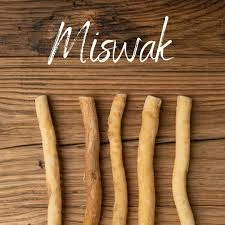
In a world filled with plastic toothbrushes and fluoride-based toothpaste, an ancient, all-natural alternative continues to stand the test of time — the Miswak stick. Used for thousands of years across the Middle East, Africa, and Asia, this simple twig is celebrated for its oral hygiene benefits, eco-friendliness, and even its spiritual value in some cultures.
Today, the Miswak stick is experiencing a revival among health-conscious consumers worldwide who are looking for a chemical-free, sustainable way to clean their teeth.
What is a Miswak Stick?
The Miswak stick (also called Siwak, Salvadora persica stick, or Arak tree stick) is a teeth-cleaning twig harvested from the branches or roots of the Salvadora persica tree. It’s naturally rich in compounds that:
- Fight bacteria
- Strengthen enamel
- Freshen breath
- Remove plaque
Unlike a toothbrush, the Miswak doesn’t require toothpaste — it contains its own natural cleaning agents.
A Brief History of Miswak
The history of Miswak stretches back thousands of years. Archaeological evidence shows its use among Babylonians, Ancient Egyptians, Greeks, and Romans.
In Islamic tradition, the Prophet Muhammad (peace be upon him) encouraged the use of Miswak for cleanliness and spiritual reward, making it a daily habit for millions.
Over centuries, Miswak use spread across Africa, Asia, and the Middle East, and today it’s making its way into Western markets as a natural oral care solution.
The Science Behind Miswak
Researchers have identified several active compounds in the Miswak stick that contribute to oral health:
- Fluoride – Strengthens tooth enamel and prevents cavities.
- Silica – Acts as a natural abrasive to polish teeth.
- Vitamin C – Supports gum health.
- Tannins – Reduce gum inflammation.
- Saponins – Cleanse and create mild foam naturally.
- Essential oils – Freshen breath and balance oral pH.
- Antimicrobial agents – Combat harmful bacteria.
Key Benefits of Using Miswak Stick
1. Natural Teeth Cleaning
Miswak fibers work like toothbrush bristles, removing plaque and food particles effectively.
2. Fresh Breath All Day
Its aromatic oils keep your mouth feeling fresh without artificial mouthwash.
3. Fights Plaque & Gum Disease
Antibacterial properties reduce plaque buildup and lower the risk of gingivitis.
4. Protects Against Cavities
Fluoride in Miswak strengthens enamel and prevents decay.
5. Gentle Teeth Whitening
Natural silica helps remove stains from coffee, tea, and tobacco.
6. No Need for Toothpaste
Miswak is self-sufficient — ideal for travelers or those avoiding chemicals.
7. Portable & Eco-Friendly
Lightweight, biodegradable, and zero-waste compared to plastic toothbrushes.
How to Use a Miswak Stick
To get the most out of Miswak, use it correctly:
- Peel the Bark – Remove 1 cm of bark from one end.
- Chew Gently – Soften the tip until fibers separate like bristles.
- Brush Your Teeth – Move the bristles in all directions, covering gums, tongue, and teeth.
- Trim Regularly – Every few days, cut off the worn bristles and start fresh.
- Store Properly – Keep in a cool, dry place or a breathable case.
Miswak vs. Toothbrush: Which is Better?
Feature
Miswak Stick
Modern Toothbrush
Toothpaste Needed
No
Yes
Eco-Friendly
100% biodegradable
Plastic waste
Natural Ingredients
Yes
No
Antibacterial
Built-in
Needs toothpaste
Portability
Excellent
Moderate
While toothbrushes are widely available and easy to use, Miswak offers sustainability and natural cleaning compounds without the need for toothpaste.
Religious & Cultural Importance
In many Muslim communities, Miswak holds deep cultural and spiritual value. It is considered a Sunnah (recommended practice) and is often used before prayers, reading scripture, and on special occasions.
But beyond religion, cultures worldwide — from African villages to Indian rural towns — have valued Miswak for centuries purely for its practical dental benefits.
Scientific Research on Miswak
Modern dental studies have backed up traditional claims:
- A Journal of Periodontology study found Miswak more effective than toothbrushes at reducing plaque when used correctly.
- The World Health Organization (WHO) has recommended Miswak as an affordable, effective oral hygiene tool, especially in areas with limited access to dental care.
Choosing a Good Miswak Stick
For the best results, look for:
- Freshness – Moist and flexible, not dry.
- Source – Genuine Salvadora persica.
- Proper Packaging – Sealed and hygienic.
- Size – Comfortable grip, usually 6–8 inches.
Tips for Maintaining Miswak
- Store in breathable fabric or natural cases — avoid airtight containers.
- Refresh bristles every 2–3 days.
- Replace the stick every 3–4 weeks.
- Avoid prolonged soaking in water to prevent decay.
Where to Buy Miswak Globally
Miswak is widely available online and in specialty stores worldwide. In the United States, UK, Canada, and Australia, you can find it through:
- Amazon & eBay
- Herbal and organic shops
- Middle Eastern and African grocery stores
- Islamic stores and markets
Popular international brands include:
- Sewak Al-Falah
- Al-Khair Miswak
- Siwak Al-Miswak
- Miswak Club (modern packaged Miswak for Western markets)
Environmental Advantages of Miswak
Each year, billions of plastic toothbrushes end up in landfills and oceans. Miswak, on the other hand, is 100% biodegradable, grown naturally without manufacturing waste, and harvested sustainably.
By switching to Miswak, you reduce your plastic footprint while promoting a greener planet.
Conclusion: A Timeless Dental Solution for Modern Times
The Miswak stick is more than a cultural artifact — it’s a practical, scientifically backed, eco-friendly dental tool.
It offers natural teeth cleaning, fresh breath, gum protection, and sustainability — all without toothpaste, electricity, or plastic waste.
Whether you choose Miswak for health reasons, environmental values, or spiritual significance, it proves that sometimes, the simplest solutions remain the most effective.