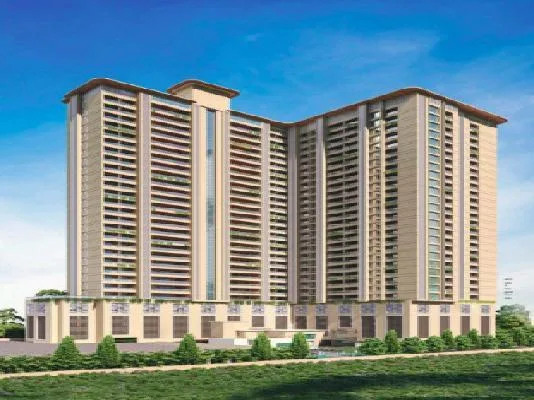
Buying a home is one of the most important financial decisions a person makes. Beyond selecting the right apartment or floor plan, choosing the right location plays a critical role in determining lifestyle quality, future appreciation, and long-term satisfaction. For homebuyers exploring residential opportunities in Noida, understanding which sectors offer the best balance of connectivity, infrastructure, amenities, and growth potential is essential.
This comprehensive MIGLANI guide explores the factors that make a residential sector attractive, the elements driving property demand, and what buyers should evaluate before making a decision. Whether someone is searching for a family-friendly neighborhood, a future-ready investment destination, or spacious 3 bhk flats in noida, location remains one of the most influential factors in real estate success.
Over the last decade, Noida has emerged as one of North India's most rapidly developing urban centers. Improved infrastructure, expanding metro connectivity, commercial development, and modern residential projects have transformed the city into a preferred destination for homebuyers and investors alike.
In this guide, we'll examine what makes a sector desirable, the factors influencing demand, and how future growth trends may shape property values in the coming years.
What Makes a Sector Ideal for Homebuyers?
Choosing a residential location goes beyond comparing property prices.
An ideal sector typically provides a combination of convenience, accessibility, safety, and long-term value.
Accessibility and Daily Convenience
Most homebuyers prioritize ease of access to:
- Offices and business districts
- Schools and educational institutions
- Hospitals and healthcare centers
- Shopping complexes
- Public transportation
The less time residents spend commuting, the higher the overall quality of life.
Safety and Security
Security remains one of the strongest decision-making factors.
Buyers generally prefer sectors that offer:
- Gated communities
- CCTV surveillance
- Security personnel
- Well-lit roads
- Active community management
A safe environment contributes significantly to long-term residential satisfaction.
Lifestyle Opportunities
Modern homebuyers increasingly seek locations that support healthier lifestyles.
Desired features include:
- Parks and green spaces
- Walking tracks
- Sports facilities
- Community centers
- Recreational zones
Research consistently shows that access to recreational amenities positively impacts resident satisfaction and property demand.
Future Development Plans
A location may appear attractive today, but future infrastructure projects often determine tomorrow's property values.
Important indicators include:
- Metro expansion plans
- Highway development
- Commercial growth
- Educational hubs
- Healthcare investments
Smart buyers evaluate both present and future potential.
Factors Affecting Property Demand
Property demand is influenced by multiple economic, social, and infrastructure-related factors.
Understanding these drivers helps buyers make informed decisions.
Connectivity Improvements
Transportation infrastructure significantly impacts property demand.
Examples include:
- Metro connectivity
- Expressways
- Flyovers
- Ring roads
- Public transport accessibility
Historically, areas benefiting from improved connectivity often experience increased buyer interest.
Employment Opportunities
Residential demand generally rises near major employment centers.
Business parks, IT hubs, and corporate offices create housing demand because professionals prefer living closer to work.
This trend has been observed across many developing urban markets.
Educational Infrastructure
Families often prioritize locations near quality schools and colleges.
Educational institutions influence:
- Residential demand
- Rental demand
- Property appreciation
Parents frequently consider school accessibility before finalizing a property purchase.
Healthcare Facilities
Modern healthcare infrastructure enhances residential attractiveness.
Buyers typically evaluate:
- Hospital availability
- Emergency care access
- Specialty clinics
- Healthcare quality
Reliable healthcare services contribute to long-term residential appeal.
Lifestyle Preferences
Today's homebuyers value convenience.
Demand often increases in sectors offering:
- Retail centers
- Restaurants
- Entertainment options
- Fitness facilities
- Community spaces
A balanced lifestyle ecosystem helps sustain property demand.
Top Residential Locations
Different sectors attract buyers for different reasons.
Some appeal to families, while others attract professionals, investors, or first-time homebuyers.
Regardless of location preferences, certain characteristics consistently influence desirability.
Connectivity
Connectivity remains one of the strongest drivers of residential demand.
Metro Access
Properties located near metro stations often attract:
- Working professionals
- Students
- Daily commuters
Reduced travel time contributes significantly to buyer interest.
Road Network
Well-developed roads improve accessibility.
Key benefits include:
- Faster commuting
- Reduced traffic stress
- Better intercity connectivity
- Improved logistics access
Infrastructure upgrades frequently enhance property values over time.
Airport Connectivity
Ease of access to major airports increasingly influences residential decisions, particularly among professionals and business travelers.
Locations with strong airport connectivity often experience growing demand.
Infrastructure
Infrastructure quality directly impacts daily living experiences.
Utilities and Services
Reliable infrastructure includes:
- Water supply
- Electricity
- Waste management
- Broadband connectivity
These services form the foundation of comfortable urban living.
Commercial Development
Retail and commercial growth often strengthens residential demand.
Examples include:
- Shopping malls
- Office complexes
- Retail centers
- Business districts
A thriving commercial ecosystem supports convenience and economic activity.
Smart Urban DevelopmentMany modern residential zones benefit from planned urban development initiatives focused on sustainability and efficiency.
These improvements often increase long-term desirability.
Social Amenities
Social infrastructure significantly impacts livability.
Educational Institutions
Families typically prioritize access to:
- Schools
- Colleges
- Skill development centers
Strong educational ecosystems support community growth.
Healthcare Facilities
Access to quality healthcare improves resident confidence and convenience.
Healthcare infrastructure often influences both residential and rental demand.
Recreation and Community Living
Modern buyers increasingly value:
- Clubhouses
- Sports complexes
- Green spaces
- Children's play areas
Community-focused environments create stronger residential experiences.
Future Growth Potential
Future growth potential often determines whether a property becomes a successful long-term investment.
Infrastructure Expansion
Government-backed infrastructure projects frequently stimulate property appreciation.
Examples include:
- Metro extensions
- New highways
- Transportation corridors
- Commercial districts
Historical data across major Indian cities shows strong correlations between infrastructure improvements and property value growth.
Urban Population Growth
Growing populations naturally increase housing demand.
As urban centers expand, demand for residential properties often rises alongside employment and business opportunities.
Commercial Investments
Business development contributes significantly to residential demand.
When new office hubs emerge:
- Employment increases
- Rental demand grows
- Property values may appreciate
This relationship has been observed across numerous developing urban markets.
Technological Development
Smart city initiatives and technology-driven urban planning continue influencing residential preferences.
Buyers increasingly appreciate locations offering:
- Digital infrastructure
- Sustainable development
- Efficient public services
These factors may contribute to long-term attractiveness.
Investment Perspective
Property purchases often serve dual purposes:
- Residential use
- Long-term investment
Understanding investment fundamentals can improve decision-making.
Capital Appreciation Potential
Historically, locations experiencing infrastructure growth often outperform stagnant markets.
Investors frequently monitor:
- Connectivity projects
- Commercial expansion
- Urban development plans
These indicators help estimate future appreciation potential.
Rental Demand
Rental demand remains an important consideration.
Strong rental markets are typically supported by:
- Employment hubs
- Educational institutions
- Transportation access
Properties attracting long-term tenants may generate consistent rental income.
Builder Reputation Matters
While location remains essential, project quality also influences investment performance.
Many buyers evaluate factors commonly associated with the best builder in noida, including:
- Construction standards
- Delivery track record
- Project planning
- Community development
Quality construction often supports stronger resale and rental value.
Long-Term Wealth Creation
Real estate continues to play an important role in wealth-building strategies.
Benefits may include:
- Asset ownership
- Portfolio diversification
- Rental income potential
- Long-term appreciation opportunities
However, buyers should always conduct proper due diligence before investing.
Final Thoughts
Selecting the right residential sector requires careful evaluation of connectivity, infrastructure, lifestyle amenities, future growth prospects, and investment potential. While property features and pricing matter, location remains the foundation of long-term value.
This MIGLANI guide highlights the key factors that influence successful residential decisions. Whether exploring opportunities for family living or considering spacious 3 bhk flats in noida, buyers benefit from assessing both current advantages and future development plans.
Well-planned sectors with strong connectivity, quality infrastructure, and growing demand often provide the most balanced combination of livability and long-term investment potential.
Frequently Asked Questions
Why is location important when buying a home?
Location influences lifestyle quality, commuting convenience, future property appreciation, rental demand, and access to essential services. It remains one of the most important factors in real estate decision-making.
How does infrastructure affect property prices?
Infrastructure improvements such as metro connectivity, highways, schools, hospitals, and commercial development often increase residential demand, which may contribute to property value appreciation over time.
What should investors evaluate before purchasing property?
Investors should consider connectivity, future development plans, rental demand, project quality, builder reputation, legal approvals, and overall market conditions before making a purchase.
What is an Ideal Residential Sector?
An ideal residential sector offers strong connectivity, reliable infrastructure, quality healthcare, educational facilities, safety, recreational amenities, and future growth potential that supports both living and investment goals.
How to Choose the Right Location for a Home?
Evaluate commuting convenience, infrastructure quality, nearby schools and hospitals, future development plans, safety standards, and overall lifestyle compatibility before selecting a location.
Best Way to Assess Property Investment Potential?
The best approach is to analyze infrastructure projects, rental demand, population growth, connectivity improvements, project quality, and long-term urban development trends before investing.