
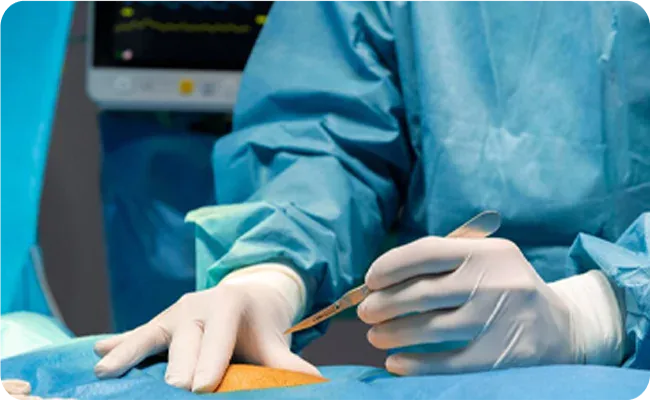
The word “microsurgery” can sound intimidating.
When people first hear about microvascular surgery, they may imagine an extremely painful operation used only in major emergencies. Others worry that such a delicate procedure automatically means a long recovery or chronic pain afterwards.
These assumptions are understandable, particularly because microvascular surgery is not something most people encounter until they or someone close to them needs reconstructive treatment.
But many of the common beliefs surrounding the procedure do not tell the whole story.
Understanding what microvascular surgery actually involves can make conversations about treatment and recovery much clearer.
What Exactly Is Microvascular Surgery?
Microvascular surgery involves operating on very small blood vessels and, in some procedures, nerves using magnification, specialised instruments, fine needles and very small sutures.
One of its important uses is restoring blood circulation when tissue has been severely injured or completely separated from the body.
For example, if a finger, hand or another body part is amputated following trauma, microsurgical techniques may be used as part of an attempt to reconnect the small blood vessels and restore circulation to the tissue.
Microvascular techniques are also used in reconstructive surgery.
In these cases, healthy tissue may be transferred from one part of the body to another to repair an area affected by injury, tumour removal or tissue loss. The blood vessels supplying the transferred tissue are then carefully connected at the new site.
So although emergency reattachment is one application, microvascular surgery has a much wider role in reconstruction.
Where Can Microvascular Techniques Be Used?
The exact procedure depends on the patient's condition, but microvascular techniques may form part of treatment in several situations.
Traumatic Injuries
Serious accidents can damage or completely sever blood vessels, nerves and surrounding tissues.
Microsurgical repair may be considered when small blood vessels need to be reconnected or when amputated tissue is being replanted.
Reconstruction After Cancer Treatment
Removing a tumour can sometimes leave a significant tissue defect.
Reconstructive procedures may involve transferring healthy tissue from another part of the body to reconstruct areas such as the head, neck or breast.
Nerve and Limb Reconstruction
Certain injuries can damage nerves responsible for movement and sensation.
Depending on the nature and extent of the injury, reconstruction may involve techniques such as nerve repair, nerve grafting or nerve transfer.
People researching Brachial plexus surgery in Bangalore may encounter some of these approaches when learning about treatment for nerve injuries affecting the shoulder, arm or hand.
Selected Vascular and Reconstructive Conditions
Microvascular techniques can also be used in selected cases where restoring circulation or reconstructing damaged tissue is part of the treatment plan.
They may additionally form part of reconstructive management for certain congenital conditions.
Because these procedures vary considerably, the term “microvascular surgery” does not refer to one single operation.
Myth 1: Microvascular Surgery Is Only Used in Life-Threatening Emergencies
Fact: Emergency surgery is only one part of its use.
Microvascular surgery is certainly important in trauma situations.
For example, an accident resulting in an amputated finger or hand may require urgent microsurgical treatment if replantation is being considered.
But not every microvascular procedure happens after an emergency.
Some procedures are planned in advance.
A person who has undergone tumour removal, for instance, may require reconstructive surgery using tissue transferred from another part of the body.
Microvascular techniques may then be used to reconnect the blood vessels supplying that tissue.
So microvascular surgery can be involved in both emergency treatment and planned reconstruction.
Myth 2: Recovery Is Always Extremely Painful
Fact: Some pain or discomfort may occur, but the experience is not the same for every patient.
Microvascular surgery can involve complex tissue repair, so it is reasonable to expect some discomfort during recovery.
However, describing the recovery as automatically “extremely painful” can create unnecessary fear.
Pain after surgery can depend on several factors, including:
- The area being treated
- The type of reconstruction performed
- The extent of the original injury or tissue damage
- The length and complexity of the procedure
- Individual healing
- Post-operative pain management
Pain management and post-operative care are therefore important parts of recovery.
Patients should discuss expected discomfort, medications and the recovery process with their treating surgical team before the operation whenever possible.
Myth 3: Microvascular Surgery Always Means a Very Long Recovery
Fact: Recovery time varies according to the procedure and the condition being treated.
A person undergoing reconstruction after significant trauma may have a different recovery experience from someone undergoing a planned reconstructive procedure.
The original injury itself can also affect how long rehabilitation takes.
Recovery may therefore depend on factors such as:
- The tissues involved
- Severity of the injury
- Type of reconstruction
- General health
- Healing progress
- Post-operative care
There is no single recovery timeline that applies to every microvascular procedure.
This is why asking about your individual recovery plan is more useful than relying on general information online.
Myth 4: Microvascular Surgery Always Causes Chronic Pain
Fact: Chronic pain is not an inevitable result of microvascular surgery.
As with other surgical procedures, pain can occur during the healing period, and some patients may experience longer-term symptoms.
But this does not mean that everyone undergoing microvascular surgery will develop chronic pain.
The possibility can depend on several factors, including the original injury, whether nerves were damaged, the type of reconstruction and how healing progresses.
In operations involving nerves, surgeons may need to carefully repair, graft or transfer nerves depending on the nature of the injury.
Pain management during recovery also forms part of post-operative care.
If pain continues longer than expected, it should be discussed with the treating doctor rather than simply assumed to be a normal or permanent consequence of the surgery.
Why Are Pain Myths So Common?
Part of the problem is that microvascular surgery often becomes visible only in complicated medical situations.
People hear about it after:
- Serious accidents
- Amputations
- Major tissue injuries
- Cancer surgery
- Complex reconstructive procedures
It is easy to associate the severity of the original condition with the procedure itself.
For example, a person recovering after major trauma may have significant pain because of the injury, damaged tissues or fractures in addition to the microsurgical repair.
That experience cannot automatically be applied to every patient undergoing microvascular surgery.
Understanding this distinction can make discussions about pain and recovery more realistic.
What Should Patients Ask Before Surgery?
If microvascular surgery has been suggested, asking practical questions can help clarify what to expect.
Consider discussing:
Why is microvascular surgery being recommended in my case?
Ask what the procedure is intended to repair or reconstruct.
What will happen during the operation?
Understanding the basic steps can make unfamiliar terminology easier to follow.
What kind of pain should I expect afterwards?
Ask about the expected level and duration of discomfort and how pain will be managed.
How long might recovery take?
The answer should relate to your particular procedure rather than a general recovery estimate.
Will rehabilitation be required?
Depending on the area treated, recovery may involve additional rehabilitation or follow-up care.
What symptoms should I report after surgery?
Knowing when to contact the surgical team can make the recovery process clearer.
Choosing Where to Seek Advice
Because microvascular procedures can vary significantly, online information should not replace an individual surgical assessment.
If someone is looking for a Plastic surgeon Whitefield for a reconstructive or microsurgical concern, the consultation can be used to understand whether microvascular surgery is relevant, what procedure may be considered and what recovery may involve.
The important part is to ask questions specific to the injury or condition rather than relying on broad assumptions about microsurgery.
The Bottom Line
Microvascular surgery is not limited to emergency limb reattachment.
It can also form part of planned reconstructive procedures, tissue transfer, nerve repair and treatment following trauma or tumour removal.
Recovery can involve discomfort, but the amount of pain and the length of recovery are not identical for every patient.
Chronic pain is also not an automatic consequence of the procedure.
The type of surgery, original condition, tissues involved and individual healing all influence what recovery may look like.
For patients, understanding the procedure and discussing pain, recovery and possible risks with the treating surgeon can help replace assumptions with information relevant to their own situation.