Mental maths is not only a skill for children. Adults can also strengthen their calculation ability, improve number confidence, and develop better concentration through regular practice. Whether you want to calculate everyday expenses more quickly, improve your workplace numeracy, or simply challenge your brain, Mental math classes for adults can provide a structured way to develop these skills.
For adults looking for a practical approach, Abacus training for adults combines visualisation, concentration, memory, and calculation practice. With consistent learning and guided exercises, learners can gradually become more comfortable working with numbers without relying heavily on calculators.
Why Mental Maths Matters for Adults
Adults use mathematics every day, often without thinking about it. Shopping, budgeting, calculating discounts, comparing prices, managing bills, estimating travel costs, and handling workplace figures all involve basic mathematical reasoning.
However, many adults become less confident with mental calculations because they rely on calculators and digital tools for everyday tasks. While technology is useful, maintaining your ability to work with numbers mentally can improve confidence and cognitive engagement.
Mental maths classes NZ programs can help learners practise calculations systematically instead of relying only on memorisation. The goal is to develop strategies that make calculations easier, faster, and more intuitive.
What Are Mental Maths Classes for Adults?
Mental math classes for adults are structured learning sessions designed to improve numerical calculation and reasoning skills. Unlike traditional mathematics education, these classes can focus heavily on practical calculation techniques, number relationships, concentration, and speed.
Depending on the programme, learners may practise:
- Addition and subtraction
- Multiplication and division
- Fractions and percentages
- Estimation
- Number patterns
- Mental calculation strategies
- Concentration and memory
- Speed and accuracy
The objective is not simply to calculate faster. Effective learning should also help adults understand how numbers work and select appropriate strategies for different calculations.
How Abacus Training Can Support Mental Calculation
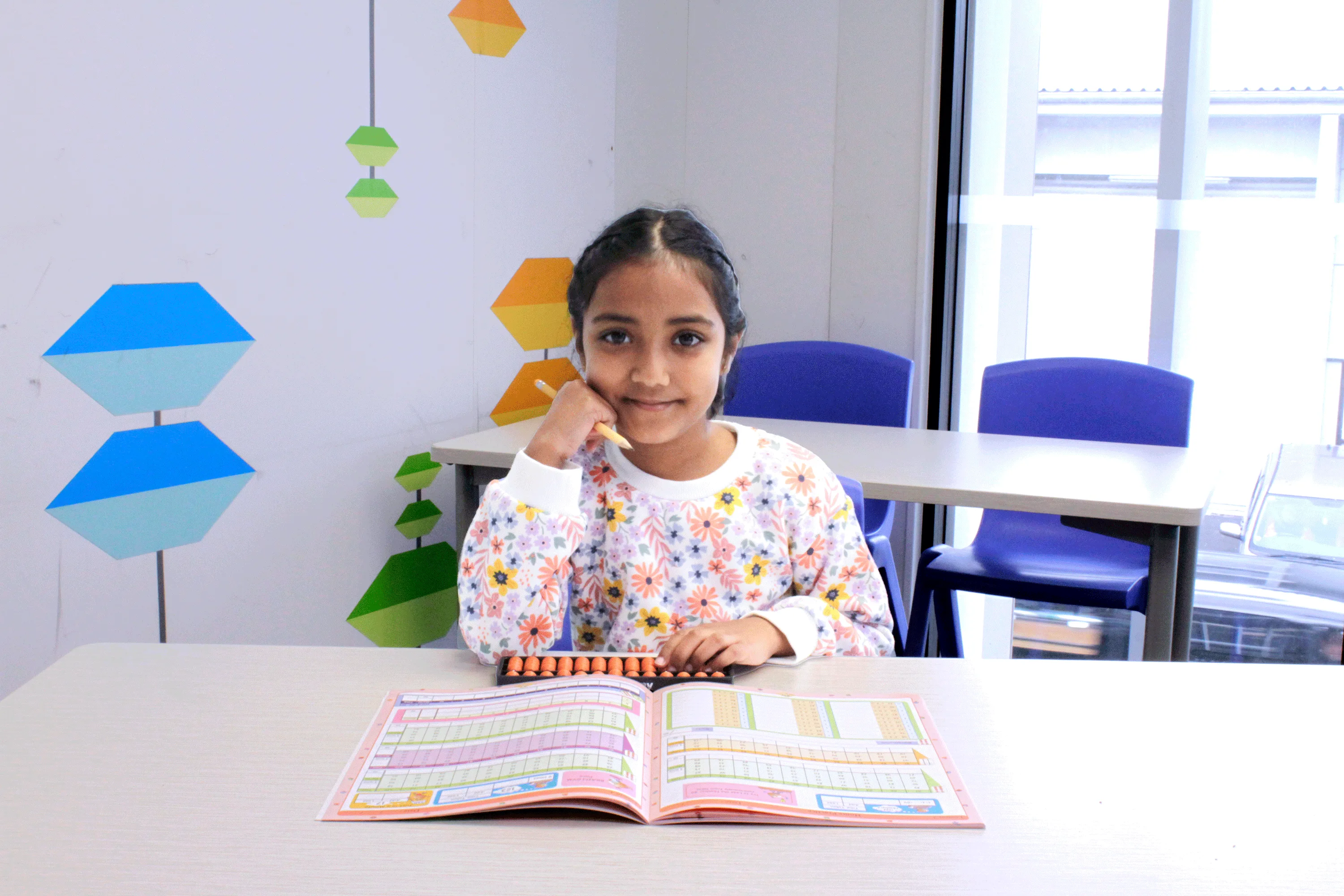
An abacus is a traditional calculation tool that can also be used as part of modern numeracy education. During Abacus training for adults, learners practise manipulating beads to represent numbers and perform calculations.
With practice, learners can begin to visualise the abacus mentally. This process is sometimes referred to as mental abacus or visualisation-based calculation.
For example, instead of immediately reaching for a calculator to solve a simple addition problem, learners can use structured mental strategies to process the numbers.
SIP abacus uses abacus-based learning as part of its approach to developing mathematical skills. Structured practice can help learners become more familiar with numbers while working on concentration, memory, and calculation accuracy.
Benefits of Mental Maths Classes
1. Improved Number Confidence
One of the biggest barriers to mathematics is lack of confidence. Adults who have had negative experiences with mathematics may avoid calculations whenever possible.
Regular Mental arithmetic lessons provide opportunities to practise in a structured environment. As learners become more familiar with different calculation methods, their confidence can improve.
2. Better Calculation Speed
Mental calculation does not have to mean rushing. The aim is to develop efficient methods that allow learners to reach an answer accurately without unnecessary steps.
Regular practice can help adults recognise common numerical patterns and use appropriate calculation strategies.
3. Stronger Concentration
Abacus activities require learners to pay attention to numbers, operations, and sequences. This makes concentration an important part of the learning process.
During Mental maths classes, learners may complete exercises that require sustained attention and careful processing.
4. Practical Everyday Skills
Mental maths can be useful in everyday situations.
For example, an adult might mentally calculate:
- A percentage discount while shopping
- The approximate cost of several items
- A restaurant bill
- A change amount
- Monthly expenses
- Travel costs
- A simple workplace calculation
These situations demonstrate why numerical confidence remains useful beyond school.
5. A Structured Way to Practise
Trying to improve mental maths independently can sometimes be difficult because learners do not know which skills to practise first.
A structured programme can provide progressive exercises that move from foundational calculations towards more challenging activities.
Who Can Benefit from Mental Maths Classes?
Mental math classes for adults can be suitable for a variety of learners.
They may be useful for adults who:
- Want to improve basic calculation skills
- Feel nervous about mathematics
- Want to become more confident with numbers
- Need stronger everyday numeracy
- Enjoy learning new skills
- Want structured brain-training activities
- Prefer practical, activity-based learning
Adults do not need to consider themselves "good at maths" before starting. Learning should begin at an appropriate level and progress according to the learner's needs.
Mental Maths Classes in New Zealand
For people searching for Mental maths classes NZ, choosing a programme that provides structured instruction and regular practice is important.
A good learning environment should focus on more than speed. Accuracy, understanding, consistency, and confidence should all be considered.
Learners should also look for programmes that clearly explain their teaching approach and provide age-appropriate instruction.
SIP abacus provides abacus-based learning designed to help learners develop mathematical thinking through guided practice. For adults, the emphasis can be on building confidence with numbers and developing practical calculation habits.
Mental Arithmetic Lessons: What to Expect
The exact structure of Mental arithmetic lessons can vary depending on the programme and learner level. A typical lesson may include a combination of demonstration, guided practice, independent exercises, and revision.
Learners may begin with straightforward calculations before progressing to more complex operations.
Consistent practice is particularly important. Mental calculation skills generally develop through repetition and gradually increasing challenge rather than attempting difficult calculations immediately.
Adults should focus on accuracy first and allow speed to develop naturally with experience.
How to Make Progress with Mental Maths
If you want to improve your mental calculation skills, consider these practical strategies:
Practise Regularly
Short, consistent practice sessions can be easier to maintain than occasional long sessions.
Start at the Right Level
Beginning with calculations that are manageable allows you to develop confidence before moving to more challenging exercises.
Focus on Accuracy
Speed is useful, but an incorrect answer achieved quickly is still incorrect. Build accuracy first.
Use Visualisation
Abacus-based learning can introduce visualisation techniques that help learners represent numbers mentally.
Apply Maths to Everyday Life
Try calculating discounts, totals, percentages, or approximate costs mentally before checking your answer with a calculator.
Choosing the Right Adult Maths Programme
When comparing Mental math classes for adults, consider the teaching methodology, lesson structure, learner support, progression system, and opportunities for regular practice.
It is also worth checking whether the programme is designed specifically for adults or whether it is primarily intended for children.
A quality programme should communicate its learning objectives clearly and avoid promising unrealistic results. Mathematical development is a gradual process, and individual progress can vary.
For learners interested in abacus-based education, SIP abacus offers an approach that combines abacus practice with mental calculation development.
Conclusion
Developing mental calculation skills can be valuable at any age. Adults can use Mental math classes for adults to build number confidence, practise calculation strategies, and become more comfortable handling everyday mathematical situations.
Abacus training for adults offers an alternative, structured approach that incorporates visualisation and repeated calculation practice. Combined with regular Mental arithmetic lessons, it can provide learners with opportunities to strengthen their numerical skills progressively.
Whether you are looking for Mental maths classes NZ for personal development or simply want to become more confident with everyday calculations, consistent practice and the right learning environment can make the process more approachable.
Frequently Asked Questions
1. Are mental maths classes suitable for adults?
Yes. Adults can learn and practise mental calculation skills regardless of their previous mathematics experience. A structured programme can help learners develop confidence, accuracy, and calculation strategies progressively.
2. What is abacus training for adults?
Abacus training for adults uses an abacus as a tool for learning numerical calculations. With practice, learners may also develop the ability to visualise calculations mentally.
3. Can adults improve their mental maths skills?
Yes. Mental calculation is a skill that can be practised. Regular exercises, appropriate progression, and consistent practice can help adults become more comfortable working with numbers.
4. Are there Mental maths classes NZ programmes for beginners?
Many maths-learning programmes offer different starting levels. Beginners should choose a programme that assesses or accommodates their current ability rather than assuming everyone starts at the same level.
5. What happens in Mental arithmetic lessons?
Lessons may include number exercises, addition, subtraction, multiplication, division, visualisation, concentration activities, and progressively challenging calculations. The exact structure depends on the programme.
6. Is abacus learning useful for adults?
Abacus learning can provide a structured way to practise numerical calculations and visualisation. Its usefulness depends on the learner's goals, consistency, and willingness to practise.
7. How often should adults practise mental maths?
Consistent practice is generally more useful than occasional intensive sessions. Learners can follow the practice schedule recommended by their instructor and gradually increase the difficulty as their skills improve.
8. Can mental maths help with everyday calculations?
Yes. Mental maths can be useful for estimating costs, calculating discounts, checking totals, working with percentages, and handling other everyday numerical situations.
9. Why choose SIP abacus for mental maths learning?
SIP abacus uses abacus-based learning and structured practice to support numerical development. Learners can use guided exercises to practise calculation, concentration, and number confidence.
10. Do I need strong maths skills before joining mental maths classes?
No. A learner does not need advanced mathematical knowledge to begin. A suitable programme should start with foundational skills and progressively introduce more challenging calculations.