
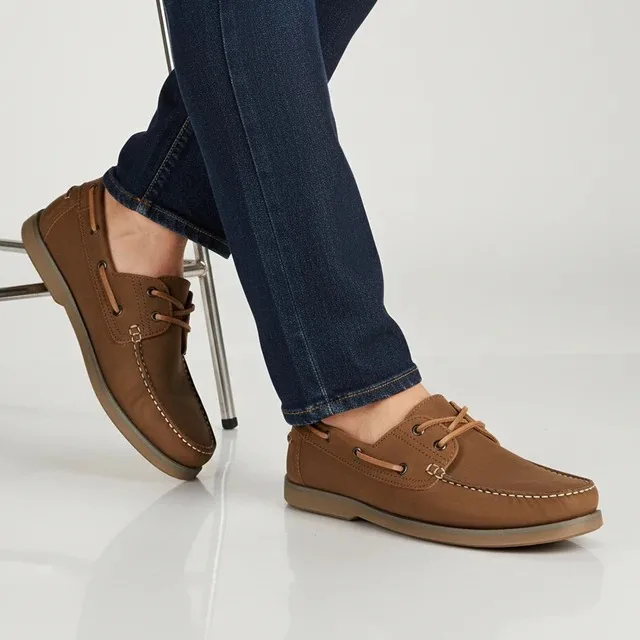
Deck shoes have a distinctive place in men's footwear. Originally designed with life on the water in mind, they have become a familiar choice for summer weekends, coastal holidays and relaxed everyday outfits. Their appeal is easy to understand: they look smart without feeling formal, and they can be worn with everything from chinos to shorts.
Choosing the right pair, however, involves more than picking a colour that suits your wardrobe. The quality of the materials, the construction of the sole and the fit all influence how comfortable and versatile they will be.
For anyone considering men's deck shoes, a little attention to these details can make the difference between footwear worn regularly and a pair left at the back of the wardrobe.
What to look for in deck shoes for men
Traditional deck shoes usually feature a low-cut profile, lace fastening and a relatively flexible sole. Many have leather uppers, although modern versions use a variety of materials and finishes.
Start by thinking about how you will wear them. If you want a pair for holidays, lunches by the coast and casual social occasions, comfort and versatility should take priority. A classic design in brown, tan or navy is often easier to coordinate with different outfits than a highly distinctive colour.
The sole deserves particular attention. Traditional deck shoes are associated with patterned rubber soles designed to provide grip on wet boat decks. However, not every shoe marketed as a deck shoe will offer the same traction. Check the manufacturer's description, and remember that even a well-designed sole cannot guarantee grip on every slippery surface.
Construction matters as well. Examine the stitching, fastening and points where the upper meets the sole. A neat finish does not automatically guarantee durability, but obvious inconsistencies can be a reason to look more closely.
Materials, soles and everyday comfort
Leather remains a popular choice for deck shoes because it offers a classic appearance and can become more comfortable as it softens with wear. Different leather finishes behave differently, though, so check the care instructions rather than assuming every pair will respond to the same treatment.
Suede and textile alternatives can provide a more relaxed look. They may suit dry-weather outings particularly well, but their resistance to rain, stains and scuffing depends on the material and any protective treatment applied.
Fit is just as important as the upper. Your heel should feel secure, and your toes should have room to move without the shoe slipping excessively as you walk. Leather may soften slightly, but a shoe that pinches or causes immediate discomfort is unlikely to become a good fit simply through repeated wear.
Consider the lining and cushioning, too. Deck shoes are often worn in warmer weather, so a comfortable interior and a suitable pair of lightweight socks can make longer days on your feet more pleasant.
Styling men's deck shoes beyond the coast
One reason deck shoes have lasted is that they sit comfortably between formal and casual footwear.
For a straightforward summer outfit, try tan deck shoes with navy chinos and a plain cotton shirt. With shorts, a polo shirt or lightweight knit can create a relaxed look without appearing careless. Dark navy or brown styles can also work with jeans when the cut is relatively clean.
Proportion helps. Slimmer shoes tend to pair well with neatly fitted trousers, while chunkier designs may suit more relaxed cuts. There is no need to match every leather accessory exactly, but keeping colours complementary can make an outfit feel considered.
Deck shoes are less suited to every setting. Their casual character may look out of place with a formal business suit or at an event with a strict dress code. They are best treated as a versatile casual option rather than a substitute for every type of men's footwear.
For shoppers exploring classic British-inspired footwear, Catesby England is one name to consider when researching styles for a smart-casual wardrobe.
When British boots for men make more sense
Deck shoes are useful, but they have their limits. Wet autumn commutes, colder mornings and muddy country paths call for a different approach.
British boots for men can offer more coverage and a sturdier feel when the weather turns. A leather lace-up boot or Chelsea boot can work with jeans, chinos and heavier outerwear, making it a practical choice for the colder months.
The right option depends on the conditions. A smart leather boot may suit town wear, while outdoor walking demands appropriate tread, construction and weather protection. Not every leather boot is waterproof, just as not every deck shoe is designed for wet surfaces.
Rather than expecting one pair to cover every season, build a small footwear rotation around how you spend your time. Deck shoes can handle relaxed summer occasions; boots can take over when warmth, coverage and durability become more important.
Caring for your deck shoes
A little maintenance helps keep deck shoes looking presentable. Brush off dust and dirt after wearing them, and follow the manufacturer's guidance for cleaning the particular material. Use leather care products only where suitable, and avoid soaking footwear that is not designed for prolonged exposure to water.
If your shoes get wet, let them dry naturally in a ventilated place, away from direct heat. Storing them somewhere dry and allowing them to air between wears can also help maintain their condition.
Ultimately, the best men's deck shoes are comfortable, well suited to your routine and easy to wear with the clothes you already own. Choose with fit and construction in mind, care for the materials properly and keep a more substantial pair of boots available for less forgiving weather. That way, your footwear works with the season rather than against it.
FAQ
Can men wear deck shoes with jeans?
Yes. Deck shoes generally work well with straight or slim jeans, particularly in warmer weather. A simple shirt, polo or lightweight knit completes the look.
Are deck shoes suitable for rain?
Some handle light moisture better than others, but deck shoes should not automatically be considered waterproof. Check the product specifications and avoid assuming the sole will provide reliable grip on every wet surface.
Should deck shoes fit tightly?
They should feel secure without pinching. Some leather styles soften with wear, but they should be comfortable from the outset and should not slip excessively at the heel.
Are deck shoes still in style?
Their simple shape and smart-casual character make them a recurring warm-weather option. Classic colours and understated designs are generally the easiest to wear over time.
When should I choose boots instead of deck shoes?
Choose boots when you need more coverage, warmth or support for colder conditions. For demanding outdoor routes, look for footwear specifically designed for the terrain rather than relying on appearance alone.