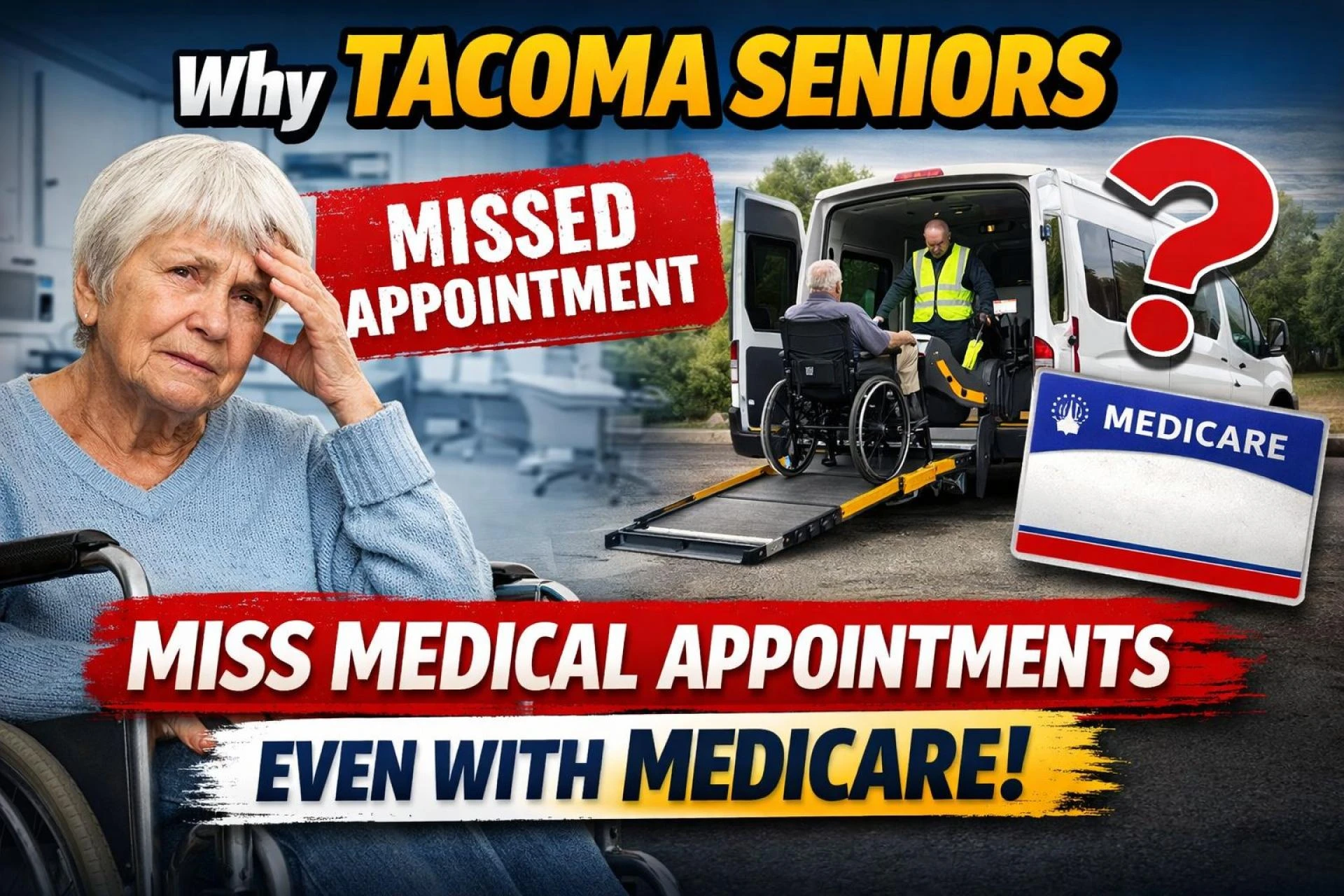
As a journalist covering regional healthcare access for DoThePR, one pattern continues to surface in Tacoma. Seniors have coverage. Clinics are available. Care providers are doing their part. Yet appointments are still being missed. The press release titled “Tacoma Medical Transport Gaps Highlight Why Some Seniors Miss Care Despite Coverage” captured this disconnect clearly and pointed to a reality that often goes unaddressed. Transportation is being treated as a logistics problem when it is, in fact, a healthcare issue.
Healthcare does not begin at the clinic door. It begins the moment a patient attempts to reach care. For many seniors and individuals with mobility limitations, especially those who rely on wheelchairs, the ability to attend appointments depends entirely on whether safe and reliable medical transportation is available. When that transportation fails, the healthcare system fails with it.
This issue was a central focus of a recent community gathering hosted by Beyond Ride in Tacoma. The event brought together professionals from healthcare, senior care, insurance, and community services to discuss why care gaps persist even when coverage exists. The conversation made one thing clear. Medical transportation is not an optional add on to healthcare. It is a foundational component of care access and continuity.
Missed medical transportation has consequences that ripple through the healthcare system. Seniors miss routine checkups and follow up visits. Treatment plans are interrupted. Chronic conditions go unmanaged. Clinics experience scheduling disruptions and lost time. Caregivers are left scrambling to coordinate alternatives. These outcomes are not caused by a lack of insurance or provider availability. They are caused by the absence of reliable transport connecting patients to care.
SCAN Health Plan was among the invited attendees at the gathering, participating as part of a broader discussion around senior independence and care coordination. As a not for profit Medicare Advantage organization, SCAN Health Plan focuses on helping seniors remain healthy and independent. That mission aligns closely with the reality that coverage alone does not guarantee access. Without dependable medical transportation, even well designed healthcare plans fall short of their intended impact.
Transportation is often categorized separately from healthcare in policy and planning discussions. It is treated as a scheduling challenge or an operational detail. However, for seniors who use wheelchairs or require assisted mobility, transportation directly affects whether care happens at all. From routine primary care visits to specialist appointments and hospital discharge pickups, transportation determines outcomes.
Beyond Ride has positioned its work around this understanding. By providing wheelchair accessible and senior focused medical transportation across the region, the company addresses a gap that traditional healthcare systems do not always manage directly. Their role sits at the intersection of healthcare delivery, senior support, and community infrastructure.
The gathering itself was structured as a forum rather than a promotional event. No partnerships were announced. Instead, participants shared operational insights and challenges. What emerged was a shared recognition that improving healthcare outcomes for seniors requires viewing transportation as part of the healthcare system, not as a separate service operating alongside it.
https://www.youtube.com/watch?v=k4ZGtQNBDDc
As Tacoma’s senior population continues to grow, these conversations will become increasingly important. Addressing medical transport gaps does not require changing coverage policies or adding new benefits. It requires recognizing transportation as healthcare and coordinating it accordingly.
When medical transportation is reliable, care plans hold together. Appointments are kept. Seniors remain connected to their providers. Healthcare systems function as intended. Reframing transportation as healthcare is not a semantic shift. It is a practical one, and for many seniors in Tacoma, it is the difference between having coverage and actually receiving care.