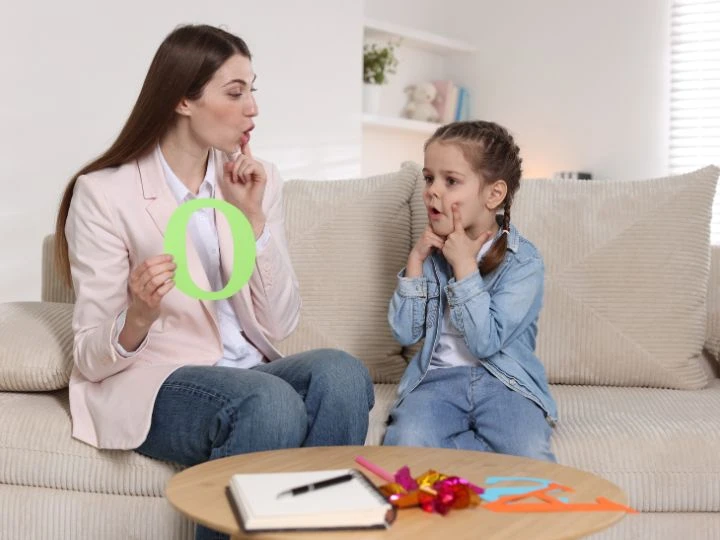

Sensory growth plays an important role in how children experience and respond to the world around them. Through senses such as touch, sound, sight, movement, and body awareness, children learn to interact with their environment and develop essential life skills. However, some children may experience challenges in processing sensory information, which can affect behaviour, attention, and daily routines.
In these situations, paediatric occupational therapy can provide structured support to help children develop better sensory understanding and regulation. A paediatric occupational therapist works with children to improve how they process and respond to sensory input, supporting comfort and participation in everyday activities.
Understanding Sensory Growth
Sensory growth refers to a child’s ability to interpret and respond to information received through the senses. This includes understanding how the body moves, how textures feel, how sounds are processed, and how visual input is interpreted.
Some children may become overwhelmed by sensory experiences such as loud environments, bright lights, or certain clothing textures. Others may seek constant movement or stimulation to feel regulated.
A paediatric occupational therapist observes these patterns and identifies how sensory processing may be influencing a child’s behaviour, learning, and daily functioning. This understanding helps guide supportive strategies tailored to the child’s needs.
How Occupational Therapy Supports Sensory Growth
Occupational therapy helps children develop the ability to process and respond to sensory information in a balanced and manageable way.
Sensory Regulation Skills
Children learn strategies to recognise how their body feels and what it needs to stay calm, focused, and organised. This may include movement activities, breathing techniques, or structured sensory input.
Improving Sensory Tolerance
Gradual exposure to different sensory experiences helps children build tolerance over time. This supports participation in everyday activities such as dressing, eating, and classroom learning.
Supporting Attention and Focus
Sensory challenges can impact a child’s ability to concentrate. Paediatric occupational therapy helps children develop strategies to manage distractions and maintain attention during tasks.
Emotional Regulation
Sensory overload can sometimes lead to frustration or emotional outbursts. Therapy supports children in understanding their emotions and developing coping strategies for challenging situations.
Enhancing Daily Participation
As sensory regulation improves, children become more comfortable engaging in daily routines, play, and learning activities.
Importance of Early Support
Early support for sensory growth is important because it helps children develop regulation skills during key developmental years. When sensory differences are identified early, children can learn effective strategies to manage their responses and improve participation in daily life. It also helps families better understand their child’s needs and create supportive environments at home and school.
Summary
Sensory growth is essential for how children understand and interact with the world. Paediatric occupational therapy helps children develop sensory regulation, tolerance, attention, and emotional control. With early and consistent support from a paediatric occupational therapist, children can improve their ability to process sensory input and participate more confidently in everyday activities.
FAQs
1. What is sensory growth in children?
It refers to how children process and respond to sensory information from their environment.
2. How does occupational therapy support sensory development?
It helps children build strategies to regulate and manage sensory input effectively.
3. What are signs of sensory challenges?
Signs may include sensitivity to noise, textures, movement, or constant sensory seeking behaviour.
4. Can sensory issues affect behaviour?
Yes, sensory difficulties can impact focus, emotional regulation, and daily routines.
5. When should parents seek support?
Parents should seek help when sensory challenges affect learning, behaviour, or daily participation.