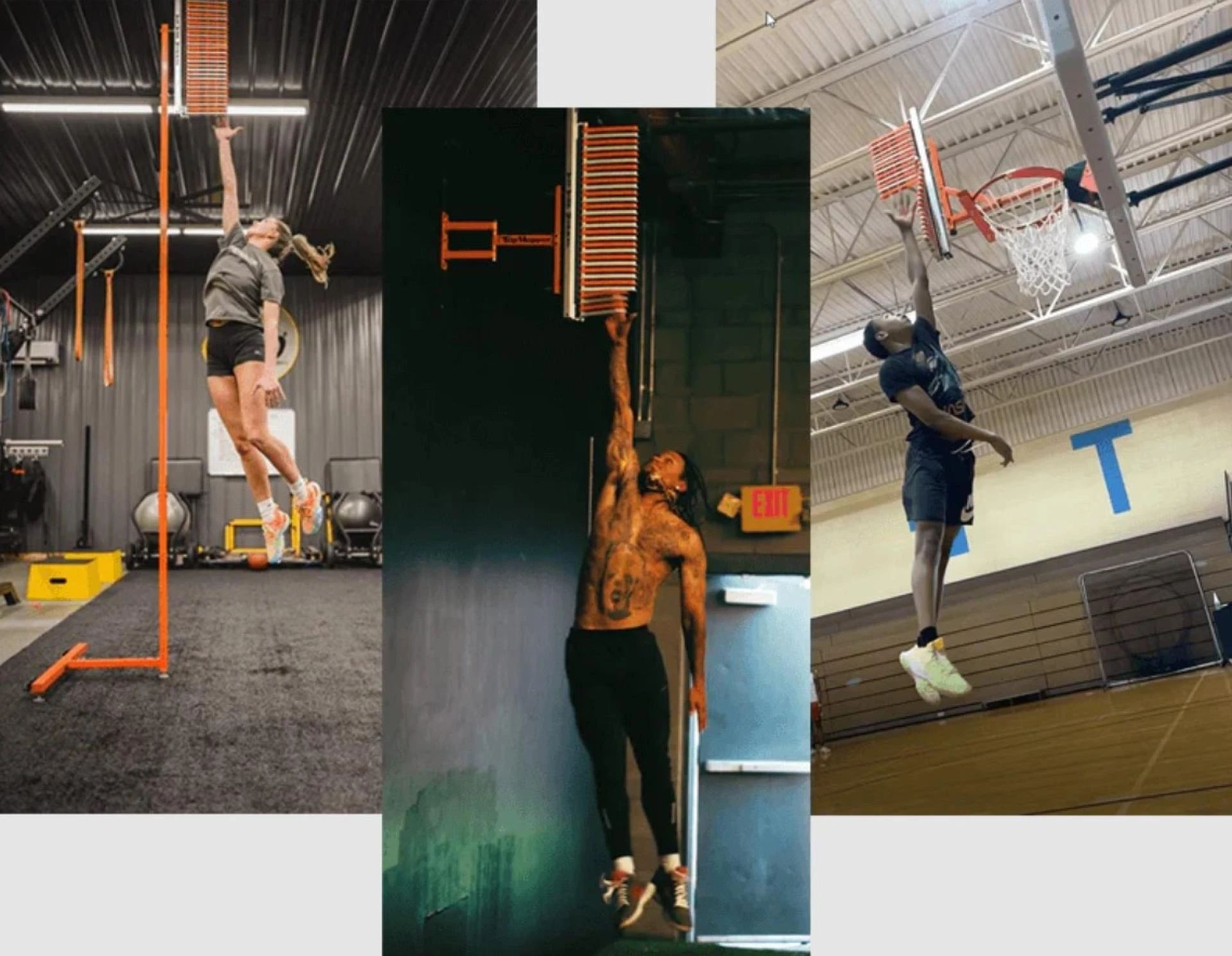
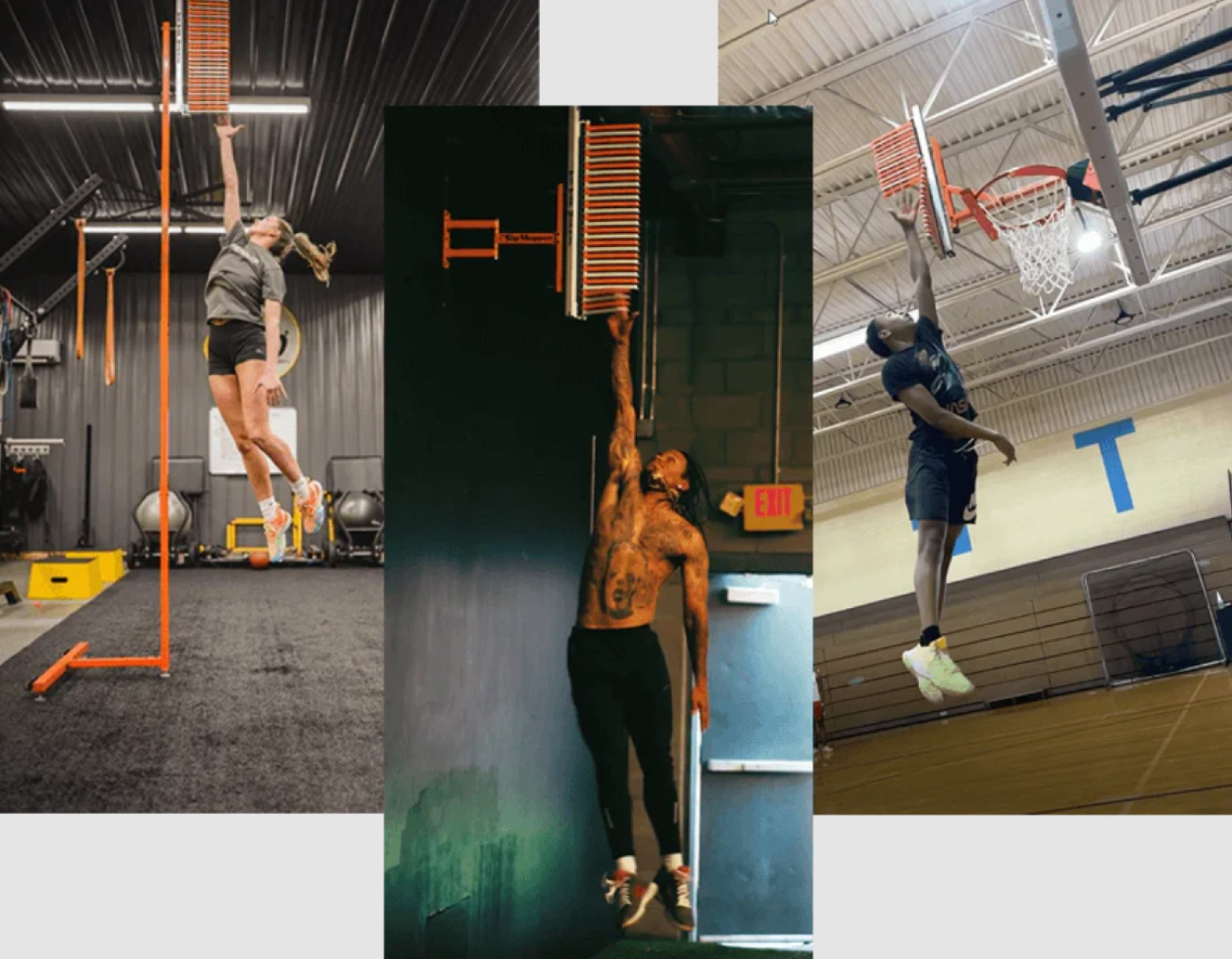
Jump measuring is important, proper, and made easier with modern equipment. We'll discuss practical methods, challenges, and how performance data helps long-term improvement. Understanding techniques gives athletes valuable information that boosts results. With its precision, usability, and athlete-centric design, the Top Hopper simplifies jump analysis for all performance levels.
Measuring Jump Height in Olympic Training
Athletic performance improves with metrics. Vertical jump data helps coaches evaluate explosiveness, neuromuscular efficiency, and fatigue. Consistent jump height recording teaches players how training loads affect performance.
Measure Jump Height to track athletes' growth instead of depending on perception. Small modifications generally boost power. With accurate measurements, unexpected performance drops help prevent overtraining.
Discover Vertical Jump Science.
Analysis of jump data helps athletes identify strengths and weaknesses. Higher leaps result from better timing or force. Fatigue, poor recovery, or technology may lower results.
Measuring Vertical Jump Height consistently sets a performance baseline. Athletes compare results to baselines to determine adaptations. Our user-friendly performance science system, the Top Hopper, allows athletes to focus on progress rather than numbers.
Digital vs. Traditional ways
Older jump tests include chalk, wall marks, or tapes. These techniques cause human error and inconsistency. Reach and observer accuracy affect findings.
Modern systems work consistently. Digital testing saves time and eliminates bias. Instant feedback motivates athletes. Advanced Methods for Measuring Jump Height Ensure Reproducibility of Sessions. Leading Hopper solutions simplify testing with precision. The concept benefits athletes and training facilities.
Common Jump Measurement Errors
Many athletes unknowingly bias results. Poor landing mechanics, hurried attempts, and uneven arm swings influence results. Skipping warm-ups reduces jump height and risks injury. Inaccurate devices provide incorrect findings. Tools lacking calibration or precision mislead performance. Poor data causes athletes to train inadequately.
Precision is necessary when Measuring Jump Height. The Top Hopper reduces measurement errors with smart design and simple instructions. Data drives wiser training changes and reasonable expectations.
Measuring Jump Height: Strengthens:
Conditioning boosts efficiency and endurance, while strength exercises increase force. Vertical jump data shows both. Jump trends help coaches assess program progress.
Strong strength cycles increase leaps. Stable or falling levels may suggest fatigue or poor recovery. Those who follow trends react faster to performance gains.
Measuring Jump Height provides feedback for training. The Top Hopper accurately measures athletes' physical effort and performance. Clarity improves training confidence and responsibility.
Measuring Vertical Jump Height: Technology's Function
Technology delivers immediate, accurate feedback, modifying performance ratings. Smart platforms, sensors, and timing automate calculations. Clear findings help athletes adapt quickly.
Data is stored digitally for long-term tracking. Trends show adaptive patterns single testing cannot. Evidence, not assumptions, guides coaches' program improvements. Accuracy is increased while measuring Vertical Jump Height with modern devices. The Top Hopper lets athletes focus on performance with innovation and simplicity.
Real-World Performance from Data
Jump height impacts more than screens. Basketball players think that higher jumps assist in rebounding and blocking. Gains improve volleyball spikes and serves.
Field sports athletes assess competition readiness using jump statistics. Fatigue or stress might create drops. Coaches alter workloads to prevent injuries.
Measuring Jump Height builds bridges between training and competition. The Top Hopper ties gym progress to on-field results with reliable insights.
Making a Long-Term Jump Monitoring Plan
Long-term tracking provides clarity, whereas short-term testing provides snapshots. Regular testing is advised for athletes. Weekly or biweekly evaluations balance learning and rest.
Interpreting data is as important as collecting. Athletes should value trends over numbers. Sustainability is shown by gradual advances. Measuring Vertical Jump Height shows training periods. The Top Hopper emphasises structured tracking to help athletes and coaches plan the season.
Why Athletes Trust Top Hopper for Jump Analysis
Effective, simple, and reliable tools please athletes. Performance solutions for Top Hopper are developed for real training. Clear feedback enhances comprehension.
The platform promotes evidence-based training. Athletes focus on improvement over troubleshooting. For decision-making, coaches value credible data. Measuring Jump Height is more effective when technology functions well. The Top Hopper aids precision-focused sportsmen.
Conclusion
Jump measurement precision is essential for athletic development. Reliable data enhances training, recovery, and progress. Performance tracking informs athlete decisions, giving them an edge. Jump testing benefits athletes who utilise proper strategies, avoid mistakes, and use modern equipment. Measuring Jump Height and Measuring Vertical Jump Height is now possible thanks to smart technology. The Top Hopper helps athletes maximise through precision, consistency, and performance-driven insights.