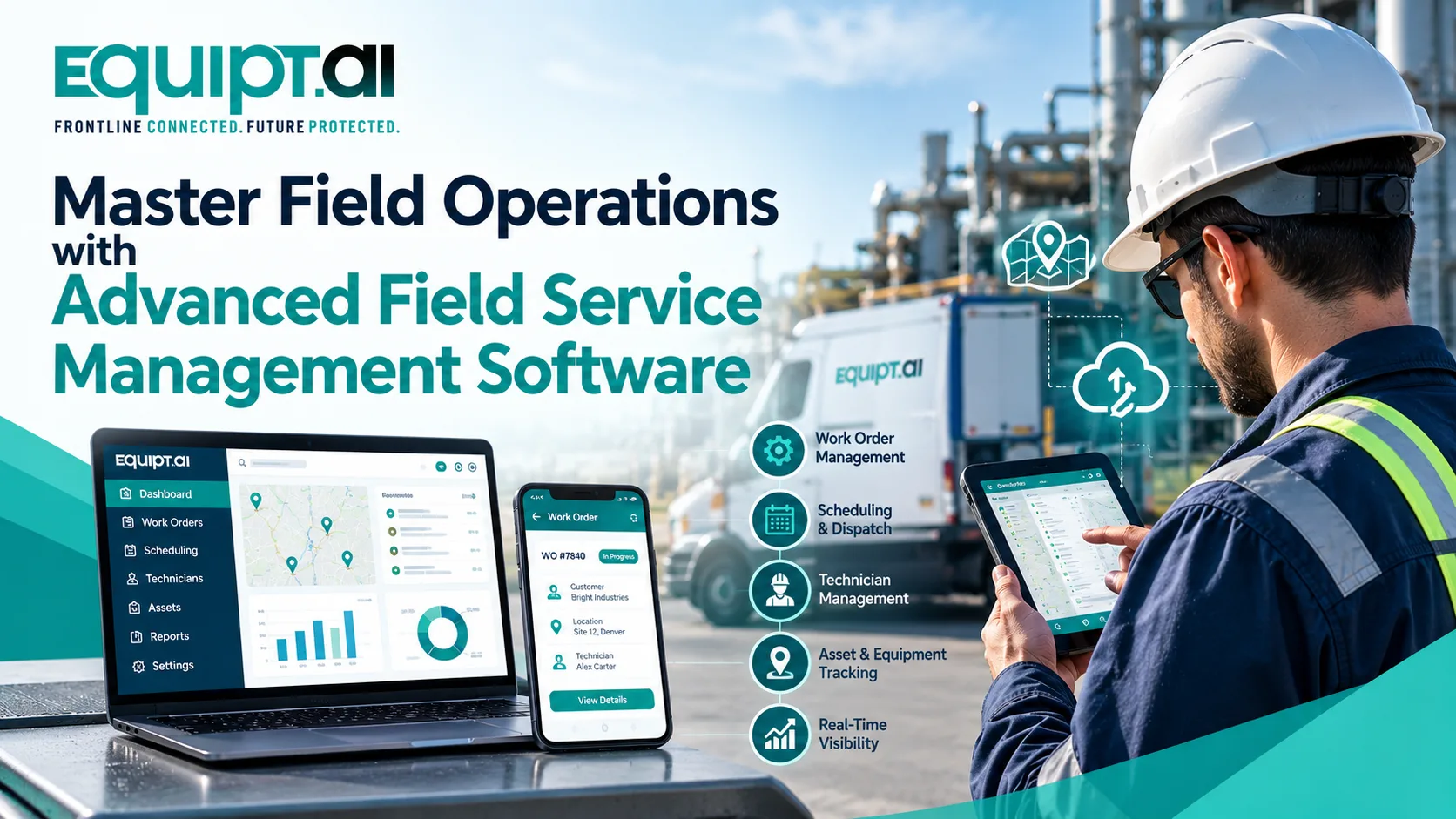
Field service management software has become an essential technology for service-based businesses looking to scale their operations and boost profitability. Managing off-site workforces, coordinating emergency service calls, maintaining equipment, and keeping track of inventory can quickly become chaotic without a central system. When companies rely on manual coordination, operational friction inevitable leads to missed appointments, inaccurate billing, and dissatisfied customers.
In the past, service teams operated through paper job sheets, manual dispatch boards, and constant phone check-ins. These legacy methods created massive operational visibility gaps. Back-office teams were frequently unaware of job progress until hours or days later, while field technicians lacked real-time access to complete customer records and equipment service histories.
Adopting a modern Field Service Management (FSM) platform addresses these systemic challenges by digitizing and unifying the entire service lifecycle into a single workflow. This comprehensive guide breaks down how FSM software operates, its critical features, major business advantages, and key industry applications.
Understanding Field Service Management (FSM) Software
Field Service Management Software is a centralized, cloud-based platform that bridges the gap between back-office administrators and mobile field personnel in real time. It automates complex administrative tasks while giving remote workers instant access to critical job information. The system streamlines every stage of the service execution lifecycle:
- Job Scheduling: Receiving service inquiries and automatically generating work orders.
- Intelligent Dispatching: Matching work orders to the most qualified, available technician based on location and skill set.
- Field Execution: Delivering route guidance, customer service history, and job checklists directly to the technician's mobile device.
- Data & Sign-off Capture: Recording diagnostic notes, photos, parts used, and customer signatures instantly at the job site.
- Invoicing & Reconciliation: Automatically pushing completed job data into accounting modules for immediate billing.
By establishing a unified, digitized operating framework, FSM software helps service enterprises achieve operational excellence and complete visibility across all field activities.
Core Capabilities and Key Features
A feature-rich FSM platform integrates several specialized tools into one connected system to optimize daily operations:
- Automated Scheduling and Smart Dispatching: Manual scheduling often results in scheduling conflicts and unoptimized technician travel. Smart FSM platforms use intelligent algorithms to assess technician location, skill level, current workload, and job urgency to assign tasks efficiently.
- GPS Tracking and Dynamic Route Optimization: Integrated mapping tools monitor vehicle locations in real time while optimizing daily service routes. By selecting the fastest routes and minimizing driving distance, companies reduce fuel expenses and enable technicians to complete more service calls per day.
- Technician Mobile App (Online/Offline): Dedicated mobile applications for iOS and Android serve as a mobile office for field staff. Technicians can view job details, access technical manuals, track time spent on-site, collect customer sign-offs, and attach before-and-after photos—even in offline mode when network signals are unavailable.
- End-to-End Work Order Tracking: Work orders move seamlessly through distinct stages—from initial client request to completion. Every status change is logged, giving office managers clear visibility into active, pending, and delayed jobs.
- Inventory and Parts Tracking: Tracking stock across warehouses and service vans prevents project delays. FSM software automatically updates inventory counts when technicians log parts used on active jobs, ensuring accurate stock levels and preventing part shortages.
- Automated Customer Alerts and Portals: Modern service platforms keep customers updated through automated SMS and email notifications, providing precise technician ETA updates and live tracking links. Integrated self-service portals also allow customers to request services and view billing history online.
- Seamless Financial Integrations: Direct API connections with accounting and ERP platforms (such as QuickBooks, Xero, Tally, or SAP) eliminate manual data re-entry. Completed work orders automatically trigger accurate invoices, reducing billing cycles significantly.
Transformative Business Benefits
Implementing a dedicated FSM system delivers immediate returns on investment by improving productivity, lowering costs, and enhancing customer experience:
- Higher First-Time Fix Rates: Equipped with complete customer context, historical maintenance logs, and required parts list prior to arrival, field technicians resolve problems on the first visit far more consistently.
- Reduced Overhead and Operating Costs: Automated route optimization cuts fuel and vehicle maintenance costs, while digital workflows eliminate paper consumption and reduce administrative labor hours.
- Boosted Field Productivity: Eliminating manual reporting and physical paperwork allows field staff to focus entirely on core technical tasks, enabling teams to handle higher job volumes without adding headcounts.
- Faster Cash Flow: Digital signatures and real-time status updates allow administrative teams to issue invoices immediately after job completion, accelerating payment collection and maintaining healthy cash flow.
- SLA Compliance and Quality Control: Automated tracking helps service businesses meet strict Service Level Agreements (SLAs) by ensuring rapid response times and maintaining high operational standards.
To streamline your daily field operations, boost workforce efficiency, and deliver superior customer service, explore top-tier field service management software solutions designed to automate and scale your enterprise workflows.
Key Industries Relying on FSM Solutions
Field service platforms are adaptable software solutions built to support any enterprise with a mobile, deskless workforce executing specialized services on-site:
- HVAC and Climate Control: Streamlining seasonal maintenance programs, managing emergency repair dispatches, and tracking unit performance data.
- Electrical and Plumbing Contracting: Coordinating rapid dispatch teams, tracking truck inventory, and issuing real-time site estimates.
- Commercial Solar and Renewable Energy: Managing site evaluation workflows, panel installation projects, and ongoing warranty maintenance schedules.
- Medical Machinery Repair: Supporting high-priority hospital equipment servicing where zero downtime and strict SLA compliance are required.
- Facility Management and Utilities: Coordinating maintenance teams for commercial building repairs, telecom network infrastructure, and utility installations.
Essential Evaluation Criteria for FSM Platforms
When selecting a field service management platform for your organization, carefully evaluate platforms based on these critical parameters:
- User-Friendly Mobile Experience: Field technicians need an intuitive, straightforward interface that requires minimal training to use effectively in the field.
- Offline Data Synchronization: Reliable offline capabilities ensure field staff can log notes, access manuals, and complete work orders even in areas without cell coverage.
- Customizability and Adaptability: The platform should offer configurable forms, custom status workflows, and adaptable fields that match your existing business processes.
- Integration Options: Ensure the software provides flexible API connectivity to integrate with your existing accounting tools, CRM systems, and ERP platforms.
- Data Protection and Reliability: Choose cloud infrastructure that guarantees strong data encryption, robust access security, and regular automated data backups.
Future Innovations in Field Service Technology
The field service management sector is continuously evolving as modern technologies become integrated into service workflows:
- IoT-Powered Predictive Servicing: Embedded Internet of Things (IoT) sensors continuously check machinery status and trigger automated preventive service tickets before equipment failures happen.
- Augmented Reality (AR) Technician Assistance: Remote specialists can guide on-site field technicians through complex repairs using live video feeds and visual AR annotations.
- AI-Optimized Route and Schedule Planning: Artificial intelligence algorithms evaluate real-time traffic patterns, historical job completion times, and technician skill sets to create highly optimized dispatch schedules.
Conclusion
Relying on manual systems, disconnected spreadsheets, and paper records hinders operational efficiency and restricts growth in a fast-moving market. Upgrading your service management operations is essential for remaining competitive and maintaining customer trust.
Adopting a modern Field Service Management Software platform turns daily field operations into a streamlined, high-performing operational hub. By empowering technicians, automating administrative workflows, and accelerating revenue collection, the right FSM solution lays the ground for long-term growth.