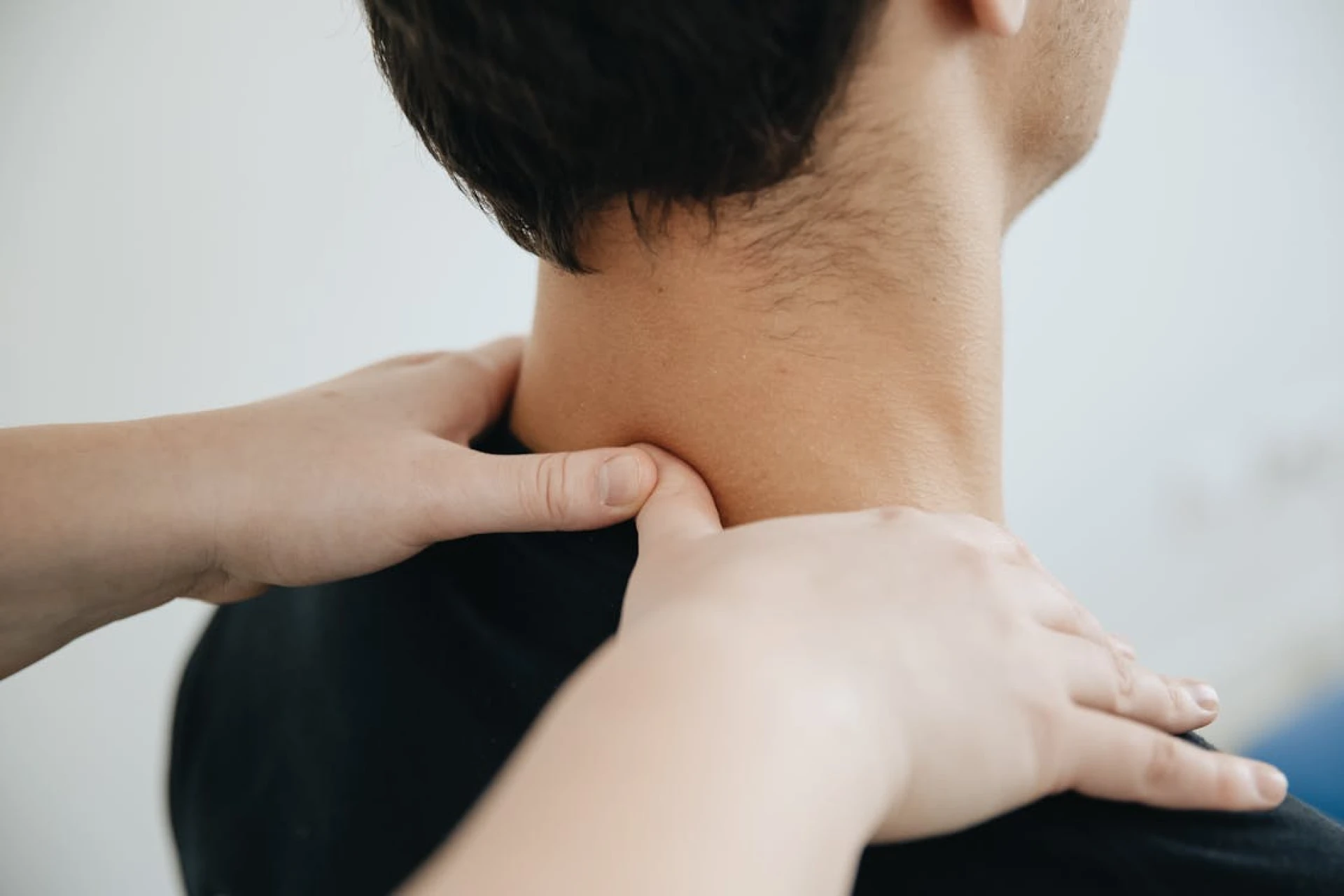
Injury recovery is never identical from one person to the next. From strained muscles to car accident trauma, the path to healing requires techniques that match both the type and severity of the injury. Unfortunately, there’s no shortage of generic advice or blanket suggestions that overlook the body’s individual response to trauma.
Professionals who seek out massage for injury recovery in Edmonton often do so after trying traditional approaches like rest, medication, or physical therapy. But not every massage technique is effective, or appropriate, during the recovery process.
What Actually Helps: Targeted, Professional Massage Therapy
One of the most effective approaches to post-injury care is working with a professional massage provider who understands the physiology of injuries. Techniques such as Swedish massage or lymphatic drainage can be incredibly useful during the early stages of recovery. These methods promote circulation, reduce swelling, and improve lymph flow—key components in helping the body repair damaged tissues.
For deeper injuries, such as those resulting from sports or physical trauma, deep tissue massage has a well-earned reputation for relieving pain and improving mobility. However, timing is everything. Applying deep pressure too soon can worsen inflammation or increase scar tissue. This is why working with a licensed therapist who adjusts pressure and technique based on injury progression is essential.
Another effective method is manual osteopathy therapy, a hands-on treatment that focuses on restoring balance in the musculoskeletal system. For joint-related injuries, this can relieve restrictions and improve mobility, often supporting long-term recovery without the need for invasive procedures.
What Doesn’t Work: Generic Massages and Too Much Pressure
One common myth is that any massage is good for healing. While massage can improve blood flow and reduce tension, applying pressure to an injured area without understanding the condition can worsen the problem.
Massage chains or providers who take a one-size-fits-all approach often overlook the subtle indicators of injury healing. A relaxing massage might feel good temporarily, but without targeting the specific tissue groups or areas affected, the long-term benefits may be minimal or even negative.
When to Start Massage After an Injury
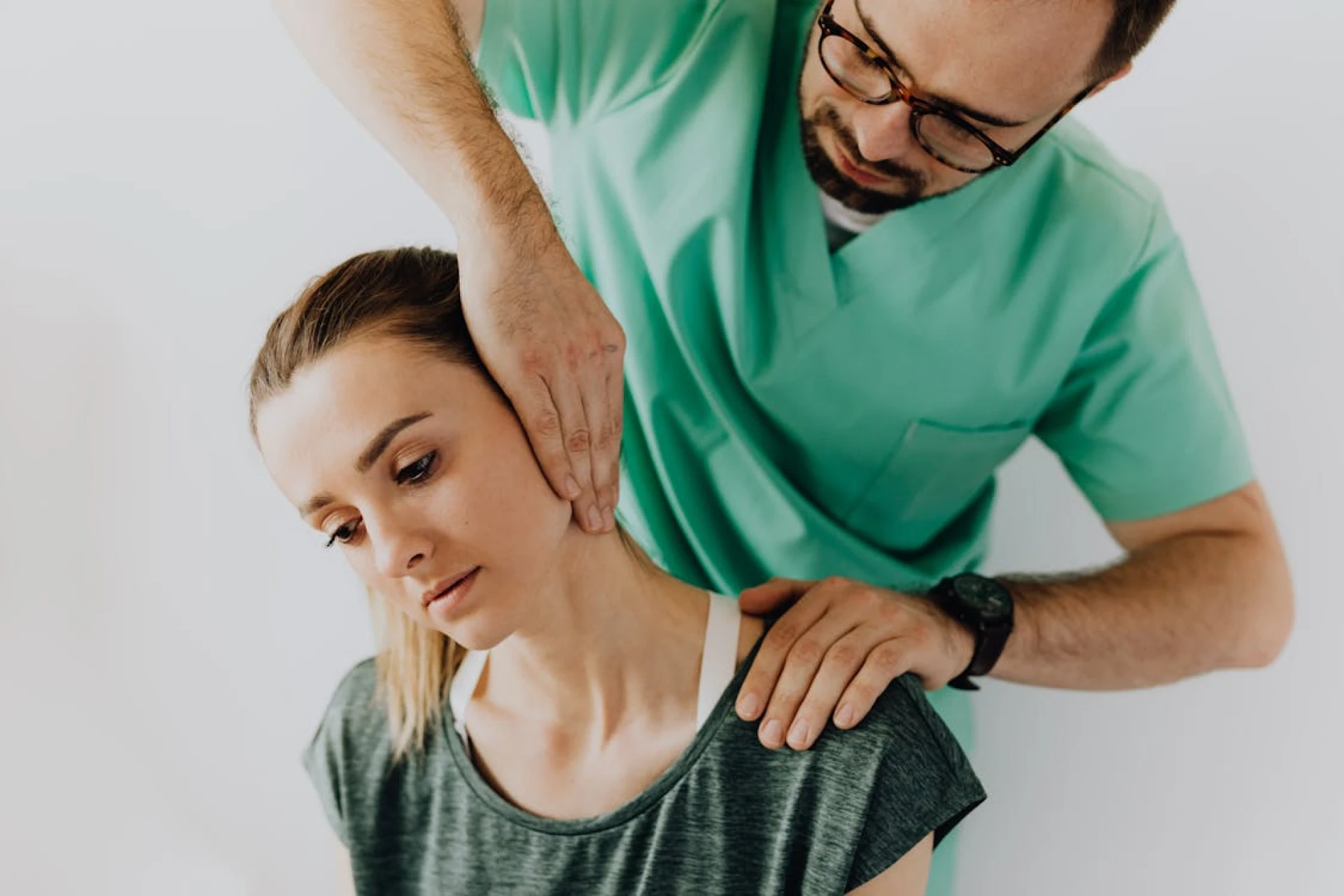
Timing plays a major role in massage effectiveness. Starting too soon can be harmful, but waiting too long may result in stiffness and poor mobility. For most soft tissue injuries, gentle techniques such as lymph drainage massage in Edmonton can be introduced within days of the injury to reduce swelling. As pain subsides and range of motion improves, deeper techniques can gradually be introduced.
For those recovering from vehicular injuries, booking a motor vehicle accident massage session with a qualified therapist ensures treatment aligns with the injury type. These therapists are trained to understand the delayed effects of whiplash, soft tissue trauma, and nerve impingements common after accidents.
The Role of Ongoing Massage in Long-Term Recovery
Injury recovery doesn’t stop once the pain fades. Scar tissue, muscle imbalances, and limited mobility often remain unless addressed over time. That’s where consistent massage therapy sessions become part of a larger recovery strategy.
Techniques like myofascial release, cupping therapy, and stretching-focused massage can all contribute to long-term results by improving flexibility, reducing compensatory muscle strain, and maintaining structural balance.
Ongoing sessions also support nervous system regulation, which helps reduce stress associated with injury and promotes better sleep, another often-overlooked factor in the healing process.
Myths That Slow Down Recovery
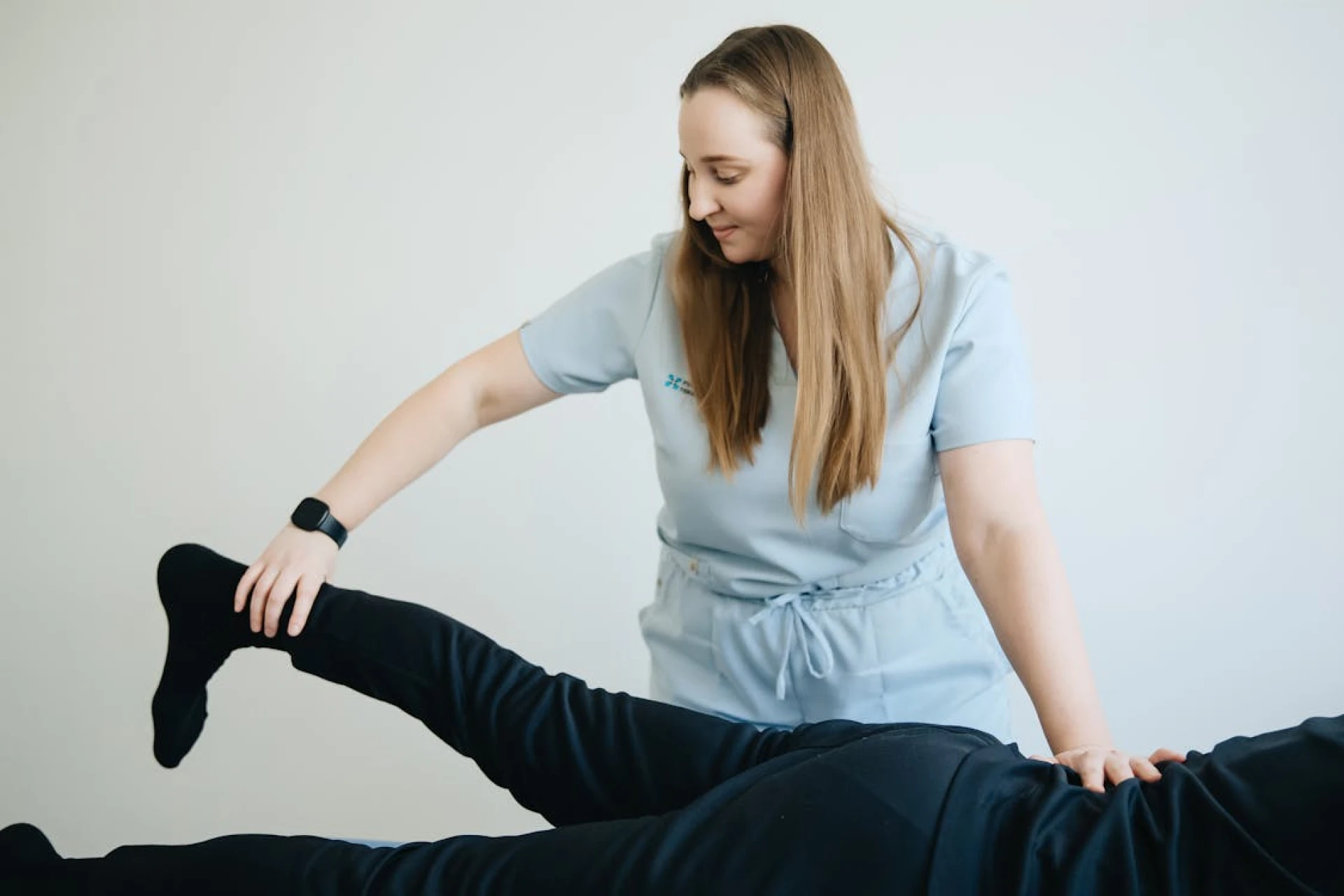
There are several widespread myths about massage and injury recovery. One of the most persistent is the idea that pain during massage means it's working. In reality, pain can be a sign that tissues are being irritated rather than helped.
Another misconception is that once the pain is gone, massage is no longer needed. Many individuals stop treatment too early, only to find the injury reappears under stress or physical activity. Continued maintenance through massage treatments in Edmonton can help prevent re-injury and support complete healing.
Book Your Recovery Support Today
Whether the goal is easing scar tissue, restoring movement, or reducing post-accident pain, strategic treatment supports faster and safer recovery.
Those looking for support in massage for injury recovery, relief through manual osteopathy therapy, or deeper relief with deep tissue massage in Edmonton can benefit from professional care that’s informed by experience, not myths.
Book your recovery session today with Healing Oasis Massage & Wellness and give your body the support it needs to heal better and faster.
Contact them today.