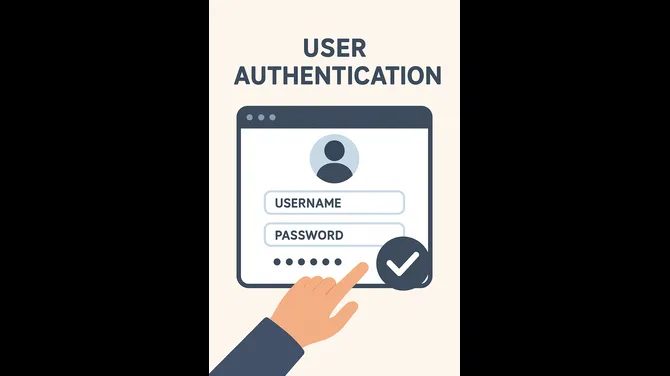
The global user authentication market is experiencing rapid growth as organizations prioritize stronger digital identity protection and advanced cybersecurity strategies. With the increasing number of cyberattacks, identity theft incidents, and data breaches, businesses across industries are adopting modern authentication solutions to secure sensitive information and ensure seamless user access. User authentication has become a critical component of enterprise security frameworks, helping organizations protect digital identities, prevent unauthorized access, and maintain regulatory compliance.
Click here for more information : https://qksgroup.com/market-research/market-forecast-user-authentication-2026-2030-worldwide-2755
Continuous technological innovation is expected to significantly shape the future of the global user authentication market. The integration of Artificial Intelligence (AI) and Machine Learning (ML) is transforming traditional authentication systems into intelligent, adaptive, and context-aware security solutions. These advanced technologies enable authentication platforms to analyze user behavior patterns, detect anomalies in real time, and respond proactively to potential cyber threats. AI-powered authentication systems improve fraud detection, reduce false positives, and strengthen overall cybersecurity resilience.
One of the most significant trends driving market expansion is the growing adoption of passwordless authentication. Traditional password-based systems are increasingly vulnerable to phishing attacks, credential theft, and brute-force attacks. Passwordless authentication eliminates these risks by replacing passwords with more secure methods such as biometric verification, hardware security keys, mobile-based authentication, and cryptographic passkeys. This approach not only enhances security but also improves user experience by reducing password fatigue and login friction.
Biometric authentication is gaining widespread popularity across industries such as banking, healthcare, retail, government, and IT services. Technologies like fingerprint recognition, facial recognition, voice authentication, and iris scanning provide a secure and convenient method of verifying user identities. As mobile devices and smart applications continue to evolve, biometric authentication is becoming a standard feature in modern access management systems. Organizations are increasingly investing in biometric security to strengthen endpoint protection and identity verification processes.
Multi-Factor Authentication (MFA) remains a key growth driver in the user authentication market. By requiring users to verify their identity through multiple layers such as passwords, OTPs, biometrics, or security tokens, MFA significantly reduces the risk of unauthorized access. Enterprises are rapidly deploying MFA solutions to comply with cybersecurity regulations and safeguard remote work environments. The rise of hybrid workplaces and cloud-based business operations has further accelerated the demand for secure remote authentication solutions.
Click here for market share report : https://qksgroup.com/market-research/market-share-user-authentication-2025-worldwide-2831
The expansion of cloud computing and Software-as-a-Service (SaaS) platforms is also fueling market growth. As businesses migrate critical workloads to cloud environments, securing user access to cloud applications becomes increasingly important. Identity and Access Management (IAM) solutions integrated with advanced authentication technologies help organizations maintain centralized access control, enforce zero-trust security models, and protect sensitive business data. Cloud-based authentication solutions offer scalability, flexibility, and cost efficiency, making them highly attractive for enterprises of all sizes.
The rise of digital transformation initiatives across the global economy is creating strong demand for scalable authentication solutions. Organizations are modernizing their IT infrastructure, implementing remote work policies, and expanding digital customer engagement channels. These developments require robust authentication systems capable of supporting large user bases while maintaining high security standards. Industries such as BFSI, healthcare, e-commerce, telecom, and education are increasingly deploying next-generation authentication platforms to manage digital trust and reduce cyber risks.
Regulatory compliance is another major factor influencing the growth of the user authentication market. Governments and regulatory bodies worldwide are enforcing stricter data protection laws such as GDPR, HIPAA, PCI-DSS, and CCPA. Businesses must implement strong authentication controls to comply with these regulations and avoid financial penalties. Advanced authentication solutions help organizations meet compliance requirements while improving operational security and customer confidence.
Looking ahead, the global user authentication market will continue to evolve with innovations in decentralized identity, behavioral biometrics, adaptive authentication, and blockchain-based identity verification. These emerging technologies will further enhance trust, security, and privacy in digital ecosystems. Companies that invest in next-generation authentication solutions will gain a competitive advantage by protecting customer relationships, improving operational efficiency, and strengthening overall cybersecurity posture.
In conclusion, the future of the global user authentication market is highly promising, driven by AI-powered innovation, passwordless authentication adoption, biometric security advancements, and the increasing need for secure digital identity management. As cyber threats become more sophisticated and digital transformation accelerates worldwide, robust authentication solutions will remain essential for safeguarding critical data and ensuring secure access across the global digital economy.