Renovations are meant to improve how a home looks and functions. Kitchens are modernized, bathrooms are refreshed, basements are finished, and flooring is replaced. Yet many Cleveland homeowners discover that the most overwhelming part of the process is not the construction itself — it is the debris that follows.
At AMG Junk Removal & Dumpster Rental, this pattern appears consistently. Serving Cleveland and surrounding suburbs since 2019, the company works with homeowners who carefully plan design choices and contractor timelines, but rarely give the same attention to waste management. As a result, materials begin to pile up in driveways, garages, and yards, creating stress that quietly grows as the project continues.
The emotional strain of renovation waste is real. When debris has no clear destination, the entire project begins to feel heavier.
Why Renovation Debris Feels Bigger Than It Is
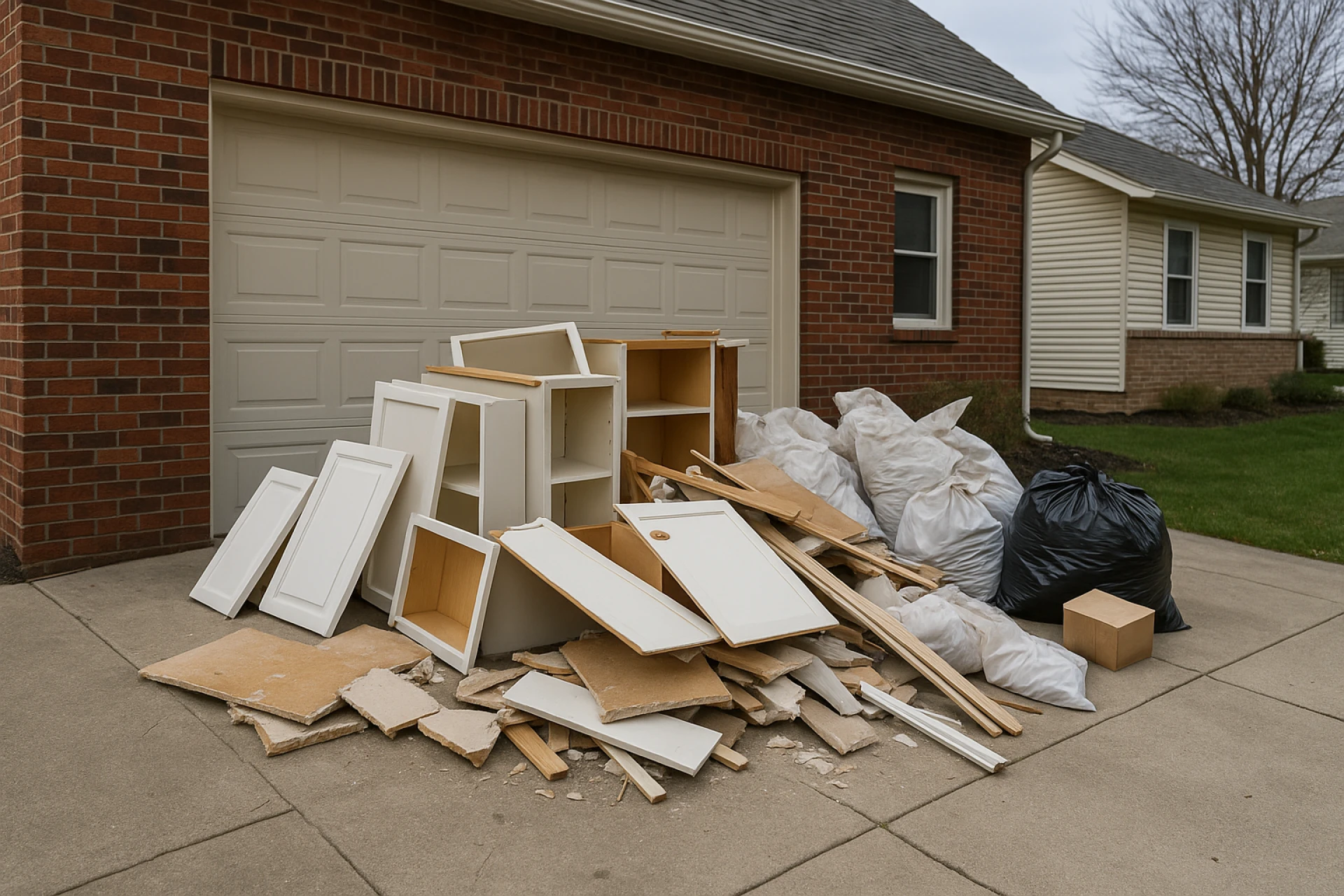
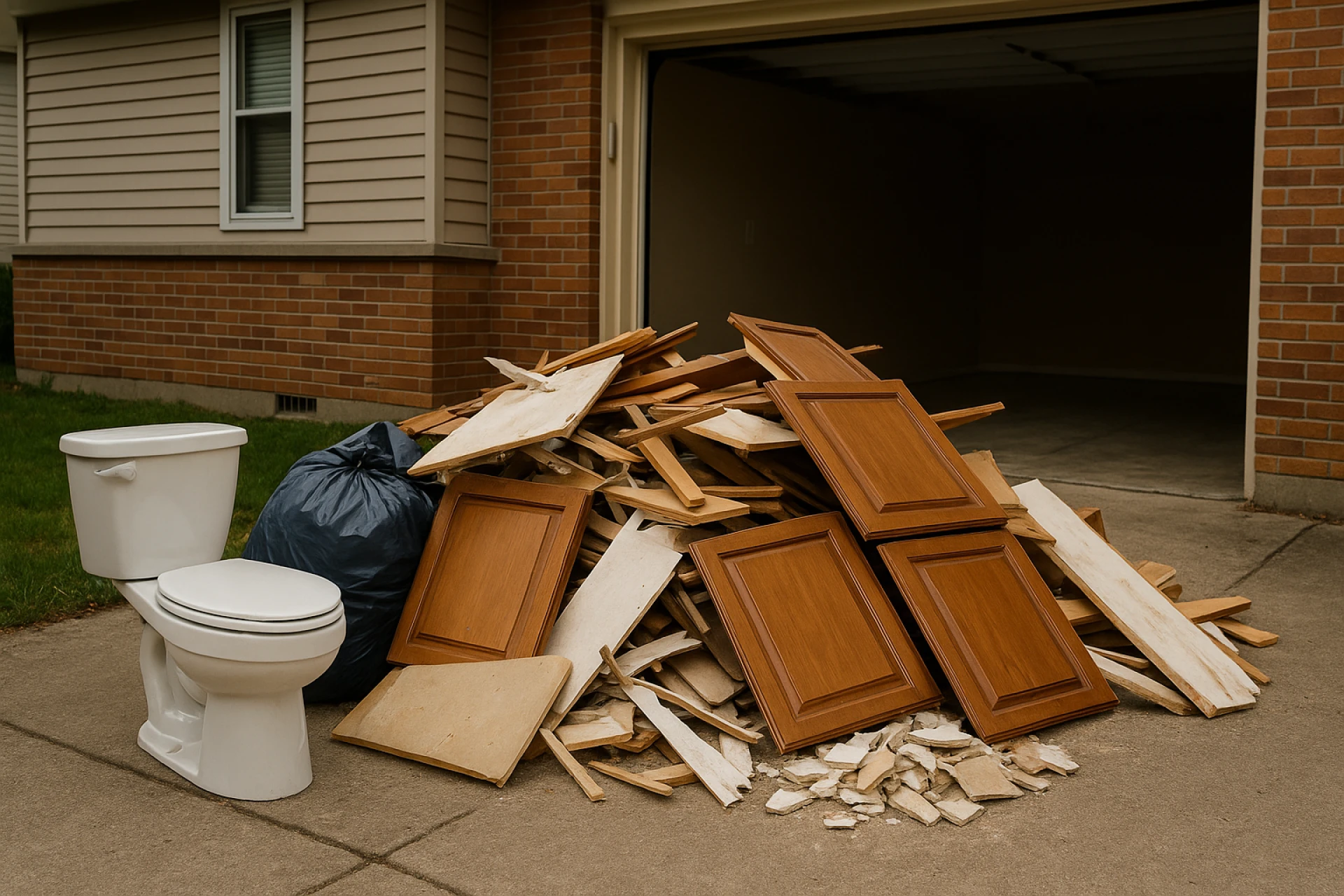
Most home projects generate waste in phases. Demolition produces broken drywall, tile, cabinetry, and flooring. Installation creates cardboard, plastic wrap, foam padding, and discarded trim. Unexpected discoveries behind walls or under flooring add to the volume.
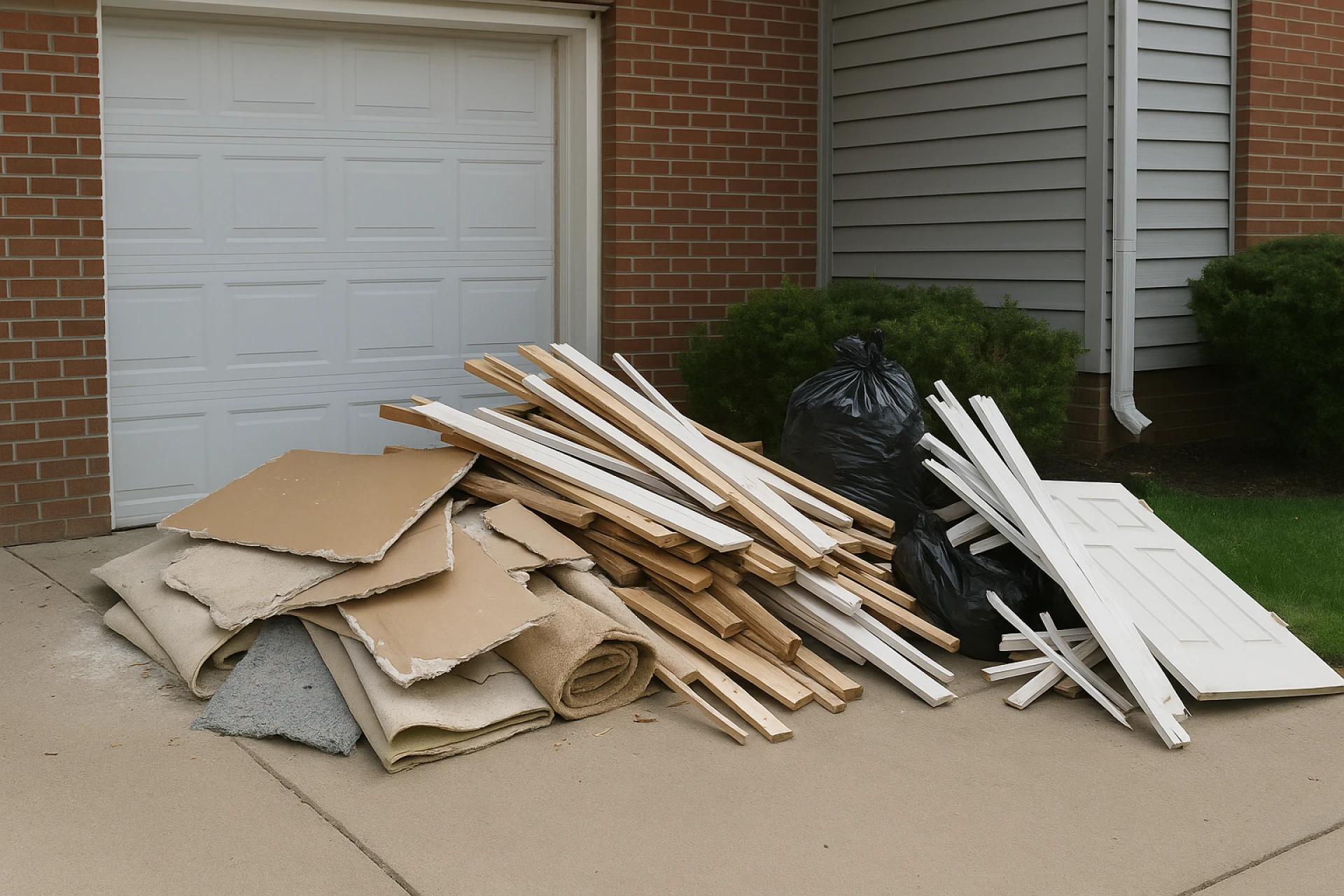
Individually, each pile may not seem overwhelming. Collectively, they change how a property feels. Walkways narrow. Driveways become partially blocked. Garage space disappears. Even when contractors are working efficiently, unmanaged debris creates a sense of disorder.
That disorder impacts perception. A renovation that is technically on schedule can still feel out of control if waste continues to accumulate around the home.
This is where structured trash removal becomes essential. Without a clear plan, debris lingers longer than necessary, and stress rises with each passing day.
The Psychological Effect of Visible Clutter
Homeowners often underestimate how strongly visible clutter affects their mood and focus. Living in an active renovation zone already requires patience. Adding unmanaged waste intensifies that pressure.
When materials sit exposed for days or weeks, they serve as constant reminders that the project is unfinished. Family routines shift to accommodate stacked flooring or boxed fixtures. Children and pets must navigate around materials. Parking patterns change. These small adjustments compound over time.
The result is not simply inconvenience. It is cognitive fatigue. Homeowners begin to feel that the project has taken over their living space.
Planning for dumpster rental before demolition begins can prevent this shift. When debris has a designated container from day one, the home remains structured even during major changes.

Disposal Is Often Treated as an Afterthought
Renovation planning typically focuses on visible outcomes — countertops, paint colors, and hardware finishes. Waste removal, by contrast, is often assumed to “work itself out.”
Municipal trash pick-up services are designed for routine household waste, not renovation debris. Large volumes of drywall, cabinetry, or flooring quickly exceed weekly limits. Without an alternative plan, materials remain on site.
Some homeowners attempt multiple trips to disposal facilities, but this adds time, fuel costs, and physical strain to an already demanding project. Others postpone removal until the renovation is fully complete, which prolongs visual clutter.
A structured approach — whether through temporary container placement or scheduled junk removal — prevents waste from becoming a secondary project of its own.
Different Projects, Different Waste Patterns
Not all renovations create identical disposal needs. Understanding the scope of debris early reduces surprises later.
For example:
● A bathroom remodel may generate tile, vanity units, drywall sections, and plumbing fixtures.
● A kitchen renovation often produces cabinets, countertops, appliances, flooring, and packaging.
● Basement finishing projects can involve framing lumber, insulation, drywall scraps, and outdated stored items that are cleared to make space.
Larger upgrades sometimes require coordinated construction debris cleanup, particularly when materials are heavy or awkward to transport.
Recognizing these patterns allows homeowners to estimate volume more accurately and avoid underplanning.
Renovation Stress and Decision Fatigue
Renovations require a steady stream of decisions. Homeowners must review material selections, coordinate contractor timelines, monitor budgets, and adjust expectations as work progresses. When debris begins to accumulate at the same time, it introduces an entirely new set of concerns that were not originally part of the plan.
Without a defined disposal strategy, questions about responsibility, timing, and logistics quickly surface. Homeowners may wonder where the waste should be placed, how long it can reasonably remain on the property, and whether removal falls under the contractor’s scope or their own. These uncertainties add another layer of mental load to an already demanding process.
Unmanaged debris also has practical implications. In many Cleveland neighborhoods, driveway space is limited, and homes are situated close together. Construction waste that lingers in visible areas can disrupt daily routines and create tension with nearby residents. What begins as a renovation project can start to feel like a neighborhood inconvenience.
By contrast, a clear and scheduled removal plan restores a sense of control. When debris is contained and assigned a predictable removal timeline, homeowners can focus on the progress of the renovation itself rather than the growing presence of waste. Structured planning reduces unnecessary stress and helps the project feel organized from start to finish.
Creating Stability During Disruption
Renovations are inherently disruptive. However, disruption does not have to translate into chaos.
When waste is managed proactively, the project feels organized rather than overwhelming. Debris is placed directly into a container. Pathways remain accessible. The property retains a sense of order.
Even after renovation is complete, leftover materials such as spare fixtures or outdated items removed from storage can be handled through a professional junk removal service, preventing the cycle from repeating.
The key principle is simple: disposal should be planned with the same care as installation.
A Structured Approach for Cleveland Homes
Cleveland’s housing landscape includes historic homes, multi-family properties, and compact urban lots. These layouts require thoughtful placement and timing for waste management.
AMG Junk Removal & Dumpster Rental supports homeowners by integrating disposal planning into renovation timelines. Serving Cleveland and surrounding suburbs since 2019, the company works with both homeowners and contractors to create predictable solutions that keep properties functional throughout the project.
By treating waste as a central component of renovation planning, homeowners reduce emotional strain and maintain better control over their space.
Coordinated Renovation Waste Solutions in Cleveland
For homeowners navigating renovation projects, AMG Junk Removal & Dumpster Rental provides organized support designed to reduce stress rather than add to it. Those undertaking remodeling work in Cleveland can coordinate directly with the company to schedule reliable dumpster rental or structured junk removal based on project size and timeline.
Serving Cleveland and surrounding suburbs since 2019, AMG Junk Removal & Dumpster Rental helps ensure that renovation debris is contained, removed promptly, and managed with care.
To arrange professional trash removal in Cleveland during a renovation project, homeowners can contact AMG Junk Removal & Dumpster Rental and incorporate disposal planning into the project from the very beginning.
AMG Editorial Team – Since 2019, the AMG Editorial Team has provided Cleveland homeowners and contractors with expert guidance on junk removal, dumpster rentals, and property maintenance. Drawing on hands-on experience with renovations, decluttering projects, and residential cleanouts, the team helps homeowners plan, organize, and manage waste efficiently. By integrating structured removal into renovation timelines, AMG ensures projects remain orderly, reduces stress, and restores usable space while protecting property value in Cleveland homes and multi-family properties.