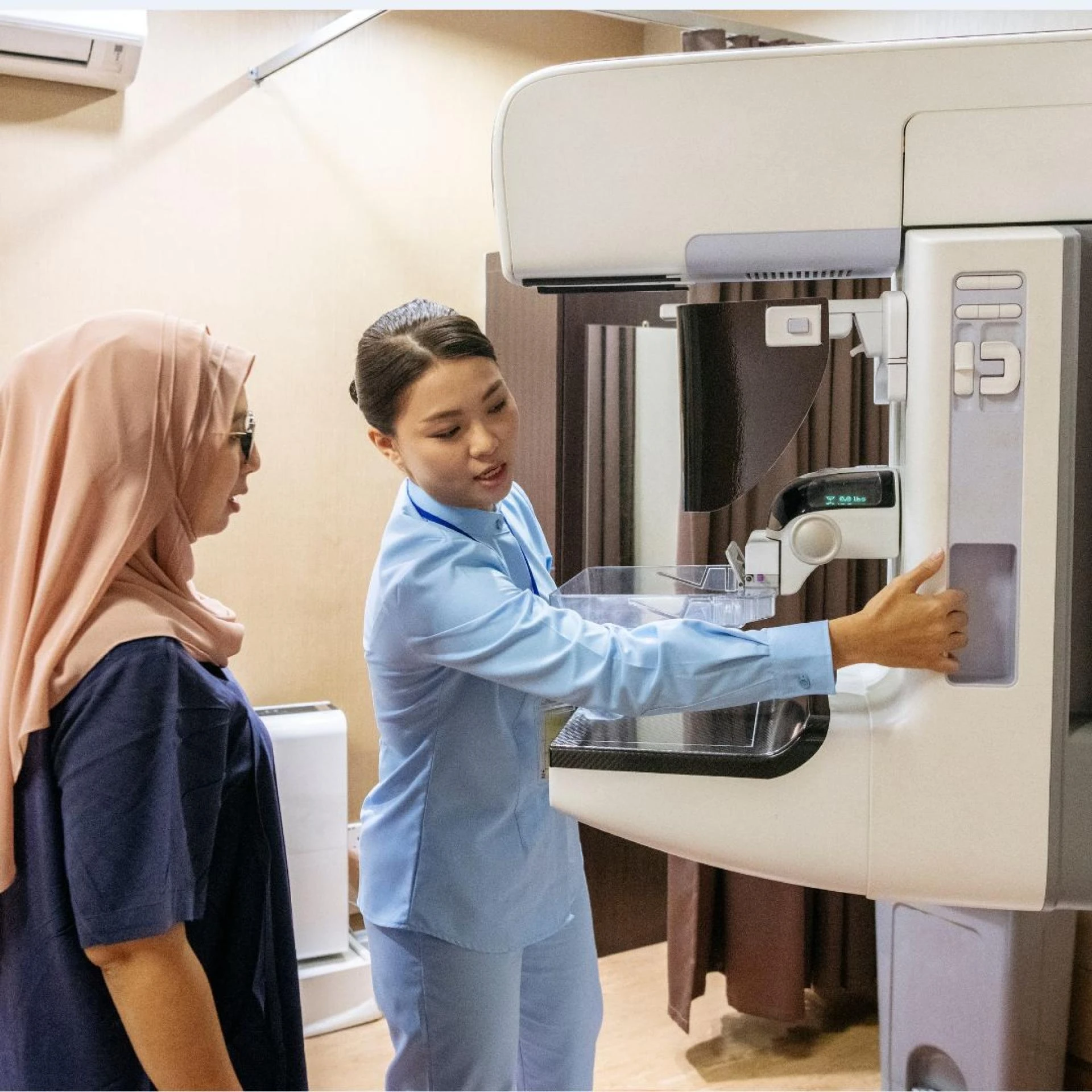
Mammograms are a cornerstone of breast health, yet many women delay or avoid them due to misconceptions. Understanding the facts about mammogram screenings can empower women to make informed decisions about their health and prioritize early detection of breast cancer. This article debunks common myths and highlights the importance of regular mammograms.
Myth 1: “Mammograms Are Painful”
Fact: While some women may experience discomfort due to the compression required to get clear images, the procedure is quick and manageable. Most mammograms take only a few minutes, and the level of discomfort varies among individuals.
Tips for Reducing Discomfort
- Schedule your mammogram a week after your period, when breast tenderness is minimal.
- Inform the technician if you’re uncomfortable; they can adjust the compression accordingly.
The brief discomfort is worth the potential lifesaving benefits of early detection.
Myth 2: “The Radiation from Mammograms Is Dangerous”
Fact: Mammograms use very low doses of radiation, and the benefits far outweigh the minimal risk. The amount of radiation exposure is similar to what you might experience during a cross-country flight.
Key Takeaway
Regular screenings are a safe and effective tool for detecting breast cancer early when treatment is most successful.
Myth 3: “Mammograms Are Unreliable Because of False Positives”
Fact: While false positives (results suggesting cancer when none is present) can happen, advances in technology have significantly reduced their frequency.
What Happens If You Get a False Positive?
If a mammogram shows an abnormality, follow-up tests such as additional imaging or a biopsy can clarify the findings. While this process can be stressful, it’s essential to ensure nothing is overlooked.
Perspective
False positives are part of the screening process, but they don’t negate the importance of mammograms in detecting real cancer cases early.
Myth 4: “I Don’t Need a Mammogram Because I Have No Family History of Breast Cancer”
Fact: Most breast cancer cases occur in women with no family history of the disease. Regular screenings are vital for all women, regardless of their genetic background.
Why Mammograms Matter for Everyone
Breast cancer can develop due to a combination of genetic, hormonal, and lifestyle factors. Early detection through mammograms remains the best defense for all women.
Myth 5: “I’ll Know If I Have Breast Cancer Without a Mammogram”
Fact: Breast cancer often develops silently, with no noticeable symptoms in its early stages. Mammograms can detect abnormalities years before they can be felt or cause symptoms, improving treatment success rates.
Screening vs. Diagnostic Mammograms
- Screening Mammograms: For women without symptoms, these routine tests aim to catch potential issues early.
- Diagnostic Mammograms: Performed when symptoms are present or after an abnormal screening result, these provide more detailed images to investigate further.
Understanding the difference helps demystify the process and ensures women know what to expect in different situations.
What Happens If an Abnormality Is Detected?
An abnormal mammogram doesn’t necessarily mean cancer. Follow-up procedures might include:
- Additional Imaging: Such as an ultrasound or MRI for a clearer view.
- Biopsy: A small sample of tissue is taken to determine if cancer is present.
Reassurance
Most abnormalities turn out to be benign (non-cancerous). The follow-up process is a precaution to ensure your health is thoroughly assessed.
Taking Charge of Your Breast Health
Regular mammograms are a powerful tool for detecting breast cancer early, but understanding the facts is key to overcoming hesitation.
How to Prepare for Your Mammogram
- Avoid using deodorants, lotions, or powders on the day of your appointment.
- Wear a two-piece outfit for convenience.
- Bring previous mammogram results for comparison if applicable.
Mammogram myths can create unnecessary fear and hesitation, but knowledge is the best antidote. By understanding the facts about mammograms, you can take proactive steps to safeguard your health. Early detection saves lives, and mammograms are a crucial part of that equation.
Don’t let myths stand in the way of your well-being. Schedule your mammogram today and take control of your breast health.