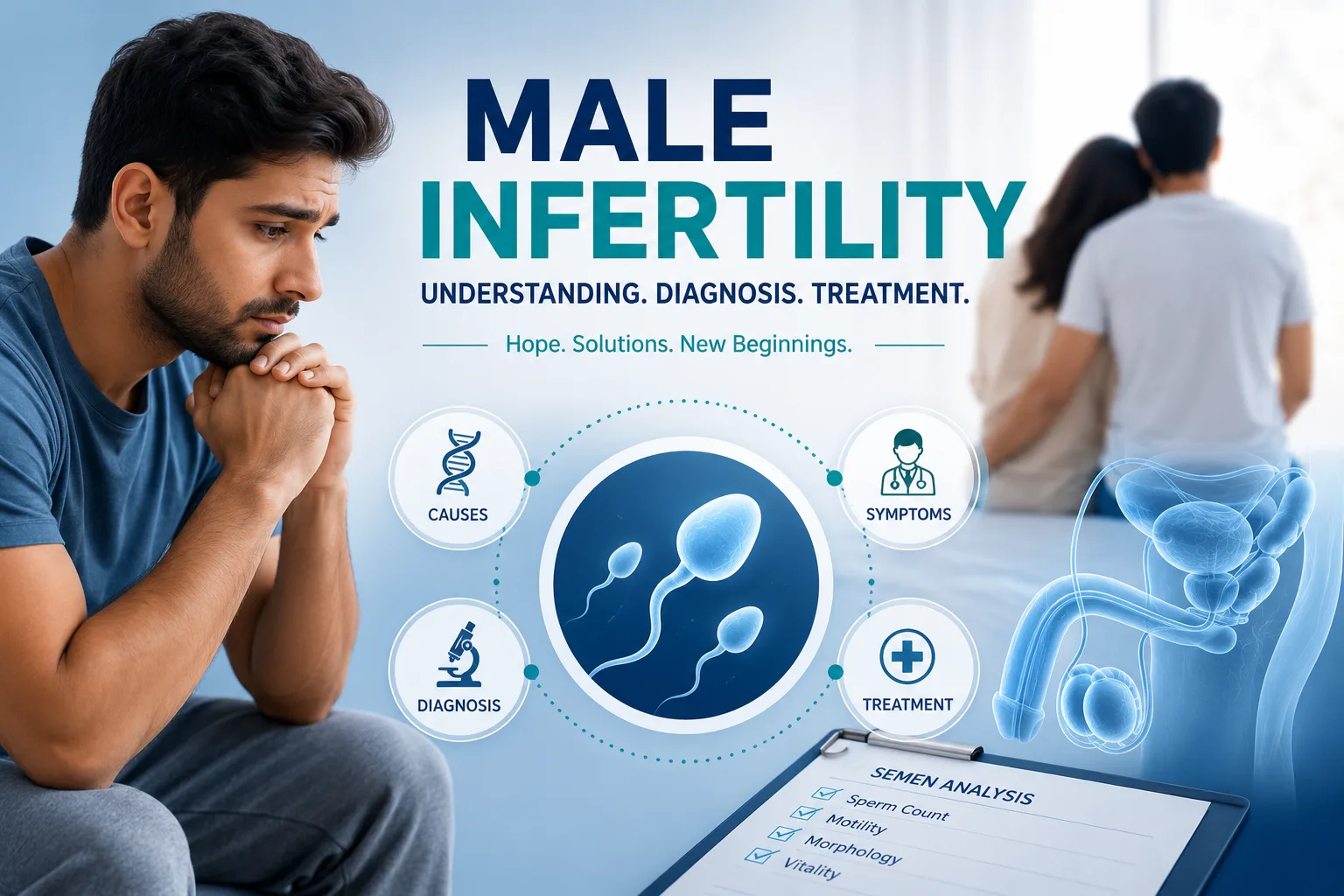
Male infertility is a common yet often overlooked health condition that affects millions of couples worldwide. While infertility is frequently associated with women, studies show that male factors contribute to nearly 40–50% of infertility cases. The good news is that many causes of male infertility are treatable, and early diagnosis can significantly improve the chances of conception.
Whether you're planning to start a family or have been trying to conceive without success, understanding the causes, symptoms, and available treatments for male infertility is the first step toward finding the right solution.
What Is Male Infertility?
Male infertility refers to a man's inability to achieve pregnancy with his partner after 12 months of regular, unprotected intercourse. It usually occurs due to problems with sperm production, sperm quality, sperm movement, or the reproductive system.
Many men with infertility appear completely healthy and may not notice any symptoms until they try to have a child.
Common Causes of Male Infertility
Male infertility can result from several medical, lifestyle, environmental, and genetic factors.
1. Low Sperm Count
Low sperm count, also known as oligospermia, means fewer sperm are present in the semen than normal. Since fewer sperm are available to fertilize an egg, the chances of conception decrease.
Common causes include hormonal disorders, infections, genetic conditions, certain medications, and previous injuries to the testicles.
2. Poor Sperm Motility
Sperm must swim effectively to reach and fertilize the egg. Poor sperm motility reduces the chances of successful fertilization.
Smoking, excessive alcohol consumption, obesity, infections, and varicocele are some of the common reasons for reduced sperm movement.
3. Abnormal Sperm Morphology
Sperm shape also plays an important role in fertility. Abnormally shaped sperm may struggle to penetrate the egg.
Poor morphology may be linked to genetics, exposure to toxins, smoking, excessive heat, or nutritional deficiencies.
4. Varicocele
Varicocele is the enlargement of veins inside the scrotum and is one of the most common treatable causes of male infertility.
It can increase the temperature around the testicles, affecting sperm production and overall sperm quality.
5. Hormonal Imbalances
Hormones control sperm production. Conditions affecting testosterone levels or hormones produced by the pituitary gland, thyroid gland, or hypothalamus can interfere with fertility.
6. Infections
Certain infections can damage reproductive organs or block sperm transport.
Examples include:
- Sexually transmitted infections (STIs)
- Mumps orchitis
- Epididymitis
- Prostatitis
7. Lifestyle Factors
Everyday habits have a significant impact on male fertility.
Risk factors include:
- Smoking
- Heavy alcohol consumption
- Recreational drug use
- Poor diet
- Lack of exercise
- Obesity
- Chronic stress
- Poor sleep habits
Symptoms of Male Infertility
Many men with infertility do not experience obvious symptoms. However, some warning signs may include:
- Difficulty conceiving despite regular unprotected intercourse
- Low sexual desire
- Erectile dysfunction
- Pain, swelling, or lumps in the testicles
- Problems with ejaculation
- Reduced facial or body hair
- Hormonal imbalances
If you notice any of these symptoms, it is advisable to consult a fertility specialist.
How Is Male Infertility Diagnosed?
Diagnosing male infertility begins with a detailed medical history and physical examination.
Semen Analysis
A semen analysis is the primary test used to evaluate male fertility. It measures:
- Sperm count
- Sperm motility
- Sperm morphology
- Semen volume
- Presence of infection
Blood Tests
Hormone testing helps assess testosterone and other reproductive hormones that influence sperm production.
Scrotal Ultrasound
An ultrasound helps detect structural problems such as varicocele or blockages.
Genetic Testing
Genetic testing may be recommended for men with very low sperm counts or unexplained infertility.
Advanced Fertility Tests
Depending on individual cases, doctors may also recommend:
- DNA Fragmentation Test
- Sperm Function Test
- Testicular Biopsy
Treatment Options for Male Infertility
Treatment depends on the underlying cause and may include lifestyle changes, medications, surgery, or assisted reproductive techniques.
Lifestyle Changes
Healthy habits can improve sperm quality and overall reproductive health.
Doctors often recommend:
- Maintaining a healthy weight
- Exercising regularly
- Eating a balanced diet rich in antioxidants
- Quitting smoking
- Limiting alcohol consumption
- Managing stress
- Getting adequate sleep
Medications
Certain medications may help correct hormonal imbalances, treat infections, or stimulate sperm production.
Surgery
Surgical procedures can correct problems such as varicocele or blocked reproductive ducts, improving fertility in many cases.
Assisted Reproductive Technology (ART)
If natural conception is difficult, fertility specialists may recommend assisted reproductive techniques, including:
- Intrauterine Insemination (IUI)
- In Vitro Fertilization (IVF)
- Intracytoplasmic Sperm Injection (ICSI)
These advanced treatments have helped many couples achieve successful pregnancies.
Can Male Fertility Improve Naturally?
In many cases, yes. Sperm production takes approximately 70 to 90 days, meaning positive lifestyle changes may begin to show results within three months.
Some natural ways to support male fertility include:
- Eating fruits, vegetables, nuts, and whole grains
- Staying physically active
- Maintaining a healthy body weight
- Drinking enough water
- Avoiding excessive heat exposure to the testicles
- Reducing stress
- Sleeping 7–8 hours every night
When Should You See a Fertility Specialist?
You should consider consulting a fertility specialist if:
- You have been trying to conceive for over one year without success.
- You have a history of testicular injury or surgery.
- You experience erectile or ejaculation problems.
- Previous semen analysis showed abnormalities.
- Your partner has experienced recurrent miscarriages.
- You have known hormonal or genetic disorders.
Early diagnosis often leads to better treatment outcomes and more fertility options.
Frequently Asked Questions
Can male infertility be cured?
Many causes of male infertility can be treated successfully with medications, surgery, lifestyle changes, or assisted reproductive technologies.
What is the most common cause of male infertility?
Low sperm count, poor sperm motility, and varicocele are among the most common causes.
Does age affect male fertility?
Yes. Male fertility gradually declines with age, particularly after 40, although many men remain fertile later in life.
Can stress affect male fertility?
Yes. Chronic stress can disrupt hormone levels, reduce sperm quality, and negatively affect sexual health.
Which doctor should I consult for male infertility?
A urologist or fertility specialist specializing in male reproductive health is the right healthcare professional for diagnosis and treatment.
Final Thoughts
Male infertility is more common than many people realize, but it is often treatable. Modern diagnostic techniques and fertility treatments have greatly improved the chances of successful conception for couples facing infertility challenges.
If you and your partner have been trying to conceive without success, don't hesitate to seek medical advice. Early diagnosis, healthy lifestyle changes, and the right treatment plan can make a significant difference.
At Ferti.Health, we are committed to providing reliable fertility information and helping individuals make informed decisions on their journey toward parenthood.
Disclaimer: This article is intended for educational purposes only and should not be considered medical advice. Always consult a qualified fertility specialist for diagnosis and personalized treatment.