
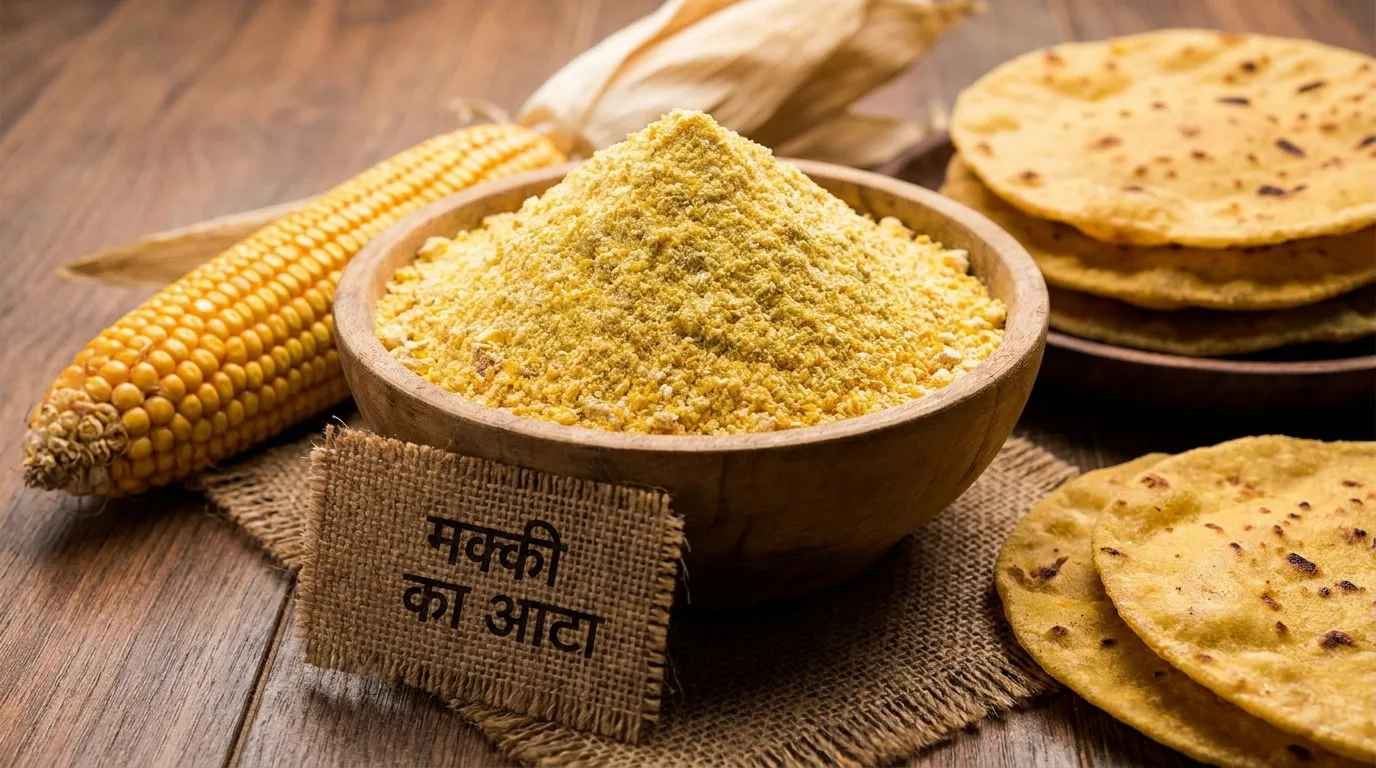
Introduction: India Ka Winter Superfood — Makki Atta
If the aroma of freshly made Makki ki Roti slathered in desi ghee, paired with a steaming bowl of Sarson ka Saag, takes you back to your roots — you already know the magic of Makki Atta.
Known across India as maize flour or corn flour, Makki Atta is one of the oldest and most nourishing flours in the Indian pantry. Ground from dried maize kernels, it has been a staple in Punjabi households for centuries — and today, health-conscious Indians are rediscovering it as a powerful, gluten-free alternative to wheat flour.
At 10on10 Foods, we believe in bringing you grain flours that are as close to nature as possible — no additives, no fillers, just pure whole grain goodness. Our Makki Atta is carefully sourced and stone-ground to retain every bit of its natural nutrition. Here's everything you need to know about why Makki Atta deserves a permanent place in your kitchen.
What Is Makki Atta?
Makki Atta (also written as Makki Ka Atta or Makai Atta) is flour made from finely ground dried maize (corn) kernels. In English, it is most commonly referred to as cornmeal flour or maize flour.
It has a slightly coarse texture compared to wheat flour and a naturally sweet, earthy flavour that makes it ideal for both savoury and sweet preparations. Across different regions of India, it goes by several names:
- Makki Ka Atta (Hindi / Punjabi)
- Makai Nu Lot (Gujarati)
- Mokka Pindi (Telugu)
- Mekke Jolada Hittu (Kannada)
- Cholam Maavu (Tamil)
Whether you call it makki or maize, the nutritional story remains consistently impressive.
Makki Atta Nutritional Value (Per 100g)
NutrientApproximate ValueCalories~360 kcalCarbohydrates~73gProtein~8–9gDietary Fibre~7–8gFat~3–4gIron~2.7mgZinc~2.1mgMagnesium~93mgFolate (B9)~25–30mcgVitamin A (Beta-Carotene)PresentVitamin B1, B3, B6PresentGlutenNoneValues are approximate and may vary based on milling process and source grain.
8 Science-Backed Health Benefits of Makki Atta
1. Naturally Gluten-Free
One of the biggest reasons Makki Atta is gaining mainstream popularity is that it is completely free of gluten. For individuals with gluten intolerance, wheat allergy, or celiac disease, Makki Atta is a safe, nutritious, and delicious alternative to regular wheat flour. It delivers satisfying, hearty meals without any of the digestive discomfort associated with gluten.
2. Regulates Blood Sugar Levels
Unlike refined flours that cause rapid glucose spikes, Makki Atta is rich in dietary fibre and complex carbohydrates. This means glucose is released slowly into the bloodstream, preventing insulin spikes and helping maintain steady energy levels throughout the day. Its lower glycaemic response makes it a smart choice for people managing diabetes or prediabetes.
3. Supports Heart Health
Makki Atta contains magnesium — an essential mineral that supports a regular heartbeat and healthy blood pressure. Additionally, the soluble fibre in maize flour binds with bile salts in the digestive tract and helps flush them out of the body, which in turn lowers LDL (bad) cholesterol levels and reduces the risk of heart disease and hypertension.
4. Aids Digestion & Gut Health
The high fibre content in Makki Atta keeps your gut microbiome happy. Fibre promotes regular bowel movements, reduces constipation, and creates a healthy environment for beneficial gut bacteria. If your digestion feels sluggish, switching to whole grain options like Makki Atta can make a noticeable difference.
5. Packed with Antioxidants — Good for Eyes & Immunity
Makki Atta is a natural source of lutein and zeaxanthin — powerful antioxidants that protect your eyes from age-related damage, cataracts, and macular degeneration. It also contains beta-carotene, selenium, and vitamins A, C, E, and K, all of which work together to strengthen immunity and fight oxidative stress in the body.
6. Supports Healthy Pregnancy
Folic acid is critical during pregnancy to prevent neural tube defects and support foetal development. Makki Atta is a natural source of folate, making it a beneficial addition to the diet of pregnant women and new mothers. It helps prevent nutrient deficiencies at a time when the body's nutritional demands are highest.
7. Helps with Weight Management
Makki Atta contains resistant starch — a type of starch that resists digestion in the small intestine and instead feeds healthy bacteria in the large intestine. This promotes satiety, keeping you full for longer and reducing overall calorie intake. Paired with its complex carbohydrate profile, Makki Atta is a smart choice for those on a weight management journey.
8. Generates Natural Body Warmth
There is a reason Makki ki Roti has been a traditional winter food in North India for generations. Maize flour generates warmth from within — combined with ghee or mustard greens, it helps the body stay nourished and cozy during cold months. The vitamins and minerals also help support thyroid function, which can affect body temperature regulation and metabolism.
Makki Atta vs Wheat Atta: A Quick Comparison
FeatureMakki AttaWheat AttaGlutenNoYesGlycaemic IndexLowerHigherFibreHighModerate–HighVitamin A / CarotenoidsPresentMinimalSuitable for CeliacYesNoTexture of RotiRustic, coarseSoft, pliableBest SeasonWinterYear-roundTaste ProfileMildly sweet, earthyNeutralBoth flours have their strengths. Many nutritionists recommend incorporating Makki Atta into a multigrain rotation alongside jowar, bajra, and whole wheat for a well-rounded grain profile.
5 Easy Makki Atta Recipes to Try at Home
1. Makki Ki Roti (The Classic)
The most iconic use of Makki Atta. Knead with warm water, shape by hand, and cook on a tawa. Best served with Sarson ka Saag, desi ghee, and a sliver of jaggery. A timeless Punjabi winter meal.
2. Makki Atta Paratha
Mix Makki Atta with a little whole wheat flour for easier handling. Stuff with spiced mashed aloo, mooli, or paneer filling. Cook with ghee for a wholesome breakfast.
3. Makki Ka Dalia (Cornmeal Porridge)
A warm, comforting breakfast option. Cook Makki Atta in water or milk with a pinch of salt or a drizzle of honey. Ideal for winter mornings and great for kids too.
4. Makki Ki Khichdi
Cook Makki Atta with moong dal, seasonal vegetables, and simple spices. A gut-friendly, one-pot meal that is nourishing and easy to digest.
5. Makki Atta Halwa
A classic winter dessert made by roasting Makki Atta in ghee until golden, then cooking with milk, sugar, and a pinch of cardamom. Garnish with chopped dry fruits for a festive finish.
How to Store Makki Atta
To maintain freshness and prevent the flour from going rancid or attracting moisture:
- Store in an airtight container
- Keep in a cool, dry, and dark place away from sunlight
- If buying in bulk, refrigeration can extend shelf life
- Use within 3–4 months of opening for best taste and nutrition
- Always keep the container sealed when not in use
Why Choose 10on10 Foods Makki Atta?
Not all Makki Atta is made equal. At 10on10 Foods, we take pride in sourcing clean, whole maize grain and processing it with minimal intervention so you get flour that's as close to the original grain as possible.
Here's what makes our Makki Atta different:
✅ No artificial additives or preservatives ✅ Stone-ground for better nutrient retention ✅ Clean-label — you know exactly what's in the pack ✅ Naturally gluten-free — safe for sensitive stomachs ✅ Whole grain goodness — the bran and germ remain intact
We believe that good health starts with what goes into your food — and our Makki Atta is built on that philosophy.
Frequently Asked Questions (FAQs)
Q1. Is Makki Atta good for weight loss? Yes. Makki Atta is high in fibre and resistant starch, both of which promote satiety and help control overall calorie intake. When eaten as part of a balanced diet, it supports healthy weight management.
Q2. Can people with diabetes eat Makki Atta? Yes, in moderation. Makki Atta has a lower glycaemic index than refined wheat flour. Its fibre content slows glucose absorption and helps prevent sudden blood sugar spikes. Always consult your dietitian for personalised guidance.
Q3. Is Makki Atta the same as cornstarch? No. Makki Atta is whole grain maize flour made from the entire corn kernel. Cornstarch (also called cornflour in some regions) is a refined starch extracted from the endosperm only. They behave differently in cooking and have different nutritional profiles.
Q4. Can I use Makki Atta year-round? Absolutely. While it is traditionally a winter staple due to its warming properties, Makki Atta can be incorporated into your diet throughout the year — in rotis, parathas, porridge, or as a flour blend.
Q5. Is Makki Atta safe during pregnancy? Yes. It is a good source of folate, which is essential during pregnancy. However, it should form part of a diverse, balanced diet. Consult your doctor or nutritionist for individual dietary advice.
Final Thoughts
Makki Atta is more than just winter comfort food — it is a nutritional powerhouse rooted in centuries of Indian food wisdom. Gluten-free, fibre-rich, packed with antioxidants, and deeply satisfying, it is one grain flour that truly earns its place in a modern wellness kitchen.
Whether you are managing your blood sugar, going gluten-free, or simply trying to eat closer to your roots, Makki Atta from 10on10 Foods gives you the cleanest, most wholesome form of this ancient grain.
Ready to bring home the goodness? Shop 10on10 Foods Makki Atta now →